
Wellness-Focused Home Remodeling: Creating Healthy Spaces
The Bathroom of the Future: Trends in Design and Tech
Bathroom Remodeling
Bathroom remodeling extends beyond mere aesthetic enhancement; it can significantly improve the functionality, safety, water efficiency, and overall value of your living space.
Whether one is dealing with an outdated interior layout, a poor design, or safety concerns, a remodel can revitalize the bathroom effectively.
This discussion will examine the reasons to consider renovation, the essential steps involved, various types of remodeling, including both DIY and upscale approaches, and common pitfalls to avoid.
Prepare to transform your bathroom into a stylish and efficient oasis.
Why Should You Consider Bathroom Remodeling?
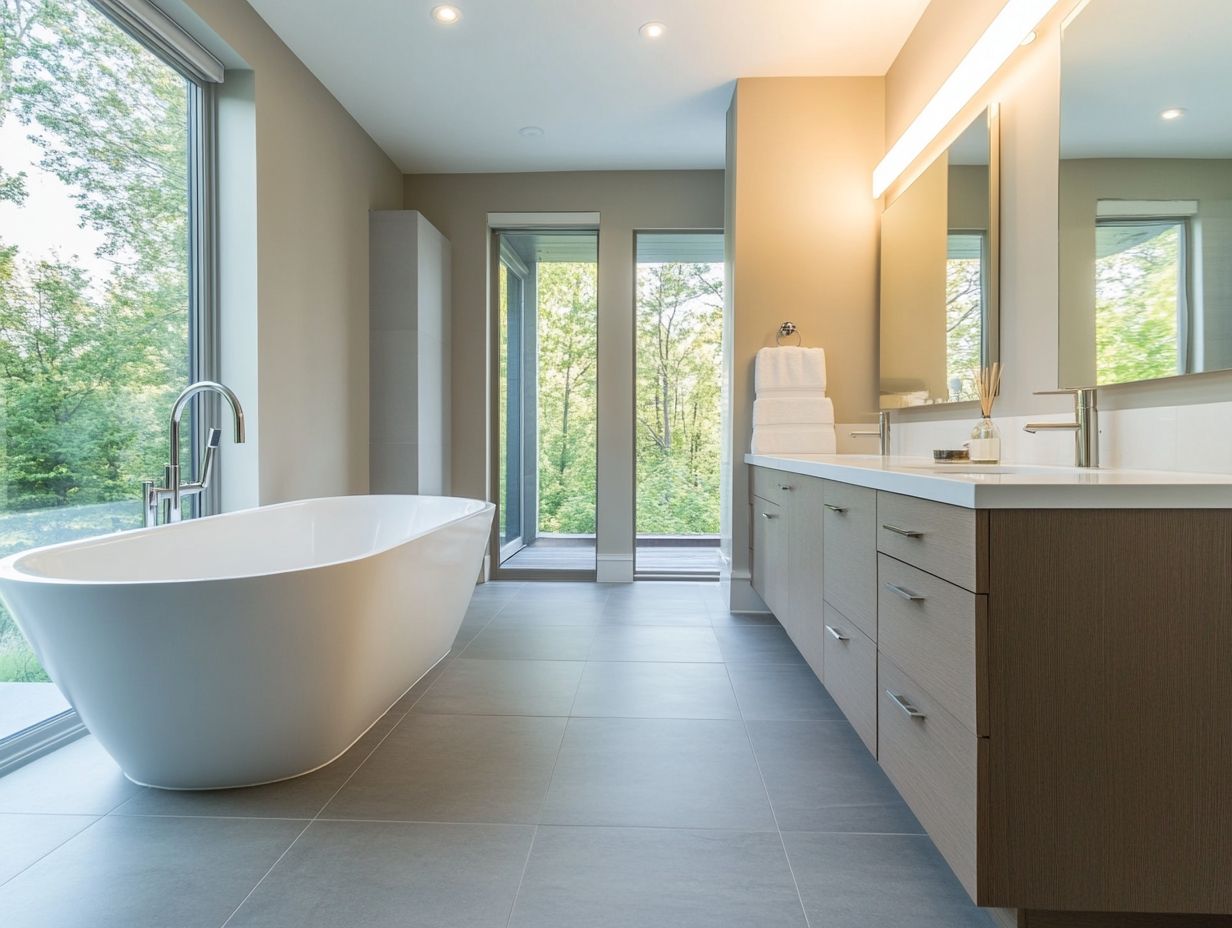
Bathroom remodeling presents an opportunity to transform a space, enhancing both its aesthetic appeal and functionality within the home, while also addressing personal preference and family needs.
Outdated and poorly designed bathrooms can diminish the overall resale potential and value of a property, leading homeowners to investigate renovation options that align with contemporary trends and incorporate sustainable materials.
By exploring various styles, such as contemporary, minimalist, or classic design, homeowners can create spaces that not only reflect their personal tastes but also attract potential buyers.
A well-executed bathroom renovation can substantially increase a home’s resale value, making it a prudent investment for those seeking to enhance their living environments and home equity.
1. Outdated Design
Outdated bathroom designs can render a space feeling confined and unwelcoming, prompting homeowners to explore innovative remodeling concepts that reflect contemporary aesthetics and color harmony. Modern bathrooms increasingly emphasize open layouts, elegant fixtures, smart technology, and cohesive color schemes that foster a sense of relaxation.
Older bathrooms often feature poor color palette selections, such as stark whites combined with overwhelming patterns, which can create a disorienting visual experience. Traditional fixtures, including bulky faucets, ornate tiles, and outdated cabinetry, frequently undermine the clean, modern aesthetic that is now desired.
Current trends prioritize the use of eco-friendly materials, such as bamboo, recycled glass, and water-saving plumbing fixtures, which not only enhance visual appeal but also minimize environmental impact. Innovative layouts incorporate elements such as floating vanities, minimalist storage solutions, and integrated shower enclosures, contributing to a more spacious atmosphere.
By harmonizing natural textures with sleek design, these contemporary trends ensure that the bathroom is transformed into a serene retreat with spa-like features rather than a neglected area.
2. Poor Functionality
Poor functionality is a prevalent concern in many bathrooms, resulting in inefficiencies that impede daily activities and overall comfort. Homeowners frequently encounter challenges related to inadequate storage solutions, cramped layouts, limited accessibility features, and inefficient lighting that do not adequately address their needs.
These deficiencies not only disrupt the flow of personal routines but also contribute to an uninviting atmosphere that detracts from the overall appeal and functionality of the space. Insufficient storage can lead to clutter and misplaced essential items, complicating efforts to maintain organization and detracting from the overall aesthetics. An inefficient layout may restrict movement, making it difficult to navigate the space comfortably, thereby compromising user experience.
By implementing effective space optimization strategies, one can transform a poorly functioning bathroom into a seamless and enjoyable area with improved interior design. The incorporation of accessibility features, such as grab bars, wider doorways, and non-slip flooring, enhances safety and usability, ultimately improving the experience for all users.
3. Safety Concerns
Safety concerns in bathrooms are of utmost importance, particularly in households with children, elderly individuals, or those with specific family needs. Renovating a bathroom presents an opportunity to incorporate essential safety features that not only enhance comfort but also provide peace of mind, like non-slip mats and adequate lighting.
Among the most prevalent hazards are slippery floors, which can lead to falls, and inadequate lighting that complicates safe navigation within the space, emphasizing the importance of proper lighting and flooring. By undertaking a renovation, one can upgrade to slip-resistant flooring materials that improve traction, install brighter, strategically positioned fixtures to illuminate all areas of the room, and implement smart technology for added safety.
Additionally, implementing proper ventilation systems can substantially reduce moisture buildup, thereby mitigating the risk of mold and mildew that thrive in damp environments, and ensuring compliance with building codes.
Incorporating grab bars, non-slip mats, and safety features like showerheads with temperature controls are also effective strategies that can significantly enhance safety, providing both stability and reassurance.
4. Increase in Property Value
Investing in bathroom remodeling can significantly enhance a property’s value, making it an appealing option for homeowners seeking to elevate their investment and improve home equity. A well-designed bathroom not only improves aesthetic appeal but also increases functionality, ultimately resulting in higher resale values and greater visual appeal.
Research indicates that a bathroom remodel can yield a return on investment of approximately 70% to 80%, contingent upon the extent of the renovations and the quality of materials used. For example, replacing outdated fixtures, updating tile with elegant wall coverings, and incorporating modern amenities such as a luxurious shower or bathtub can attract potential buyers and enhance overall market competitiveness.
Homeowners often encounter the crucial decision of selecting between luxury options, such as soaking tubs and high-end finishes, or more budget-friendly alternatives, such as new vanities or energy-efficient lighting. Striking the appropriate balance between these elements can lead to a remarkable transformation that enhances both the value and utility of the space, appealing to a diverse range of buyers and improving the overall interior design.
What are the Steps to Bathroom Remodeling?
Embarking on a bathroom remodeling project entails several critical steps that are essential for achieving a successful transformation and ensuring all local regulations are met.
From the initial planning phase to the final finishing touches, comprehending each stage of the process enables homeowners to navigate the remodeling journey with efficiency, effectiveness, and proper project management.
Comprehensive planning is paramount to determine budgetary considerations, select appropriate fixtures and finishes, establish a realistic project timeline that accounts for potential challenges, and incorporate customer reviews and design consultation.
1. Planning and Designing
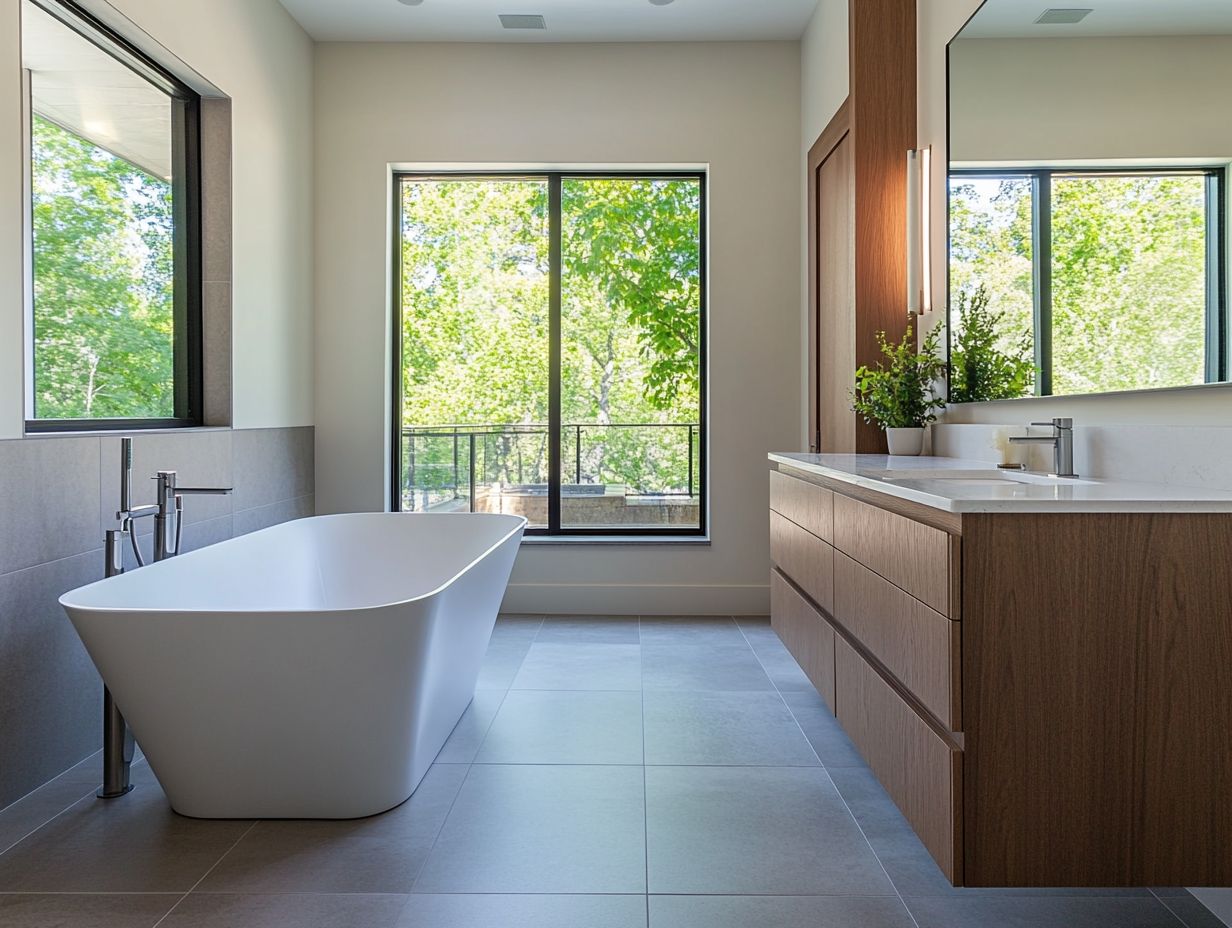
The planning and design phase is essential to the success of a bathroom remodeling project, as it establishes the foundation for the entire renovation process and sets the project scope. Homeowners should carefully consider their desired bathroom design, utilizing design software and 3D modeling to visualize potential layouts, finishes, and accessories.
This initial stage is critical, as a well-conceived layout can greatly enhance both functionality and aesthetics, leading to improved user experience. Taking the time to assess and prioritize needs—such as storage solutions, accessibility, and energy efficiency—will contribute to a more cohesive environment.
The use of design software not only facilitates experimentation with colors and materials but also supports well-considered choices regarding the efficient use of space and layout.
Additionally, various 3D modeling tools can simulate different configurations, aiding in the identification of the most effective flow and arrangement, and helping visualize before-and-after scenarios. By thoroughly visualizing the space, homeowners can avoid costly mistakes later in the remodeling process and ensure that the final outcome embodies both style, functionality, and practicality.
2. Demolition
Upon the completion of the planning phase, the demolition phase can commence, representing a crucial milestone in the bathroom remodeling process and setting the stage for new installations. This stage necessitates meticulous execution to ensure the safe removal of old fixtures, tiles, cabinetry, and other materials, while fully complying with any required permits and safety regulations.
Before initiating demolition, it is imperative to conduct a comprehensive assessment of the area, identifying potential hazards and establishing a robust project management framework that includes contractor selection. Implementing effective safety measures, such as the use of protective gear, ensuring proper ventilation of the work area, and adhering to all building codes, is essential for safeguarding both workers and the surrounding environment.
Additionally, obtaining the necessary permits and ensuring compliance with local building codes is critical, as neglecting these requirements may lead to delays, financial penalties, or compromised craftsmanship. A well-coordinated demolition strategy not only facilitates a streamlined workflow but also minimizes the risk of unforeseen complications, thereby ensuring a smoother transition to the subsequent stages of remodeling and allowing ample room for installation and layout adjustments.
3. Plumbing and Electrical Work
The plumbing and electrical work phase is vital to ensuring that a newly remodeled bathroom operates efficiently and safely, integrating both modern amenities and essential utilities. Engaging the services of professional contractors is often essential to manage the complexities of plumbing installations, heating systems, and electrical rewiring prior to the installation of fixtures.
These professionals provide invaluable expertise, ensuring that all systems comply with national standards and local codes, which is critical for the integrity of the entire project and contributes to maintenance-free options. From the installation of new piping systems that effectively manage water flow to the establishment of reliable electrical circuits that power lighting, appliances, and smart technology, the right expertise is fundamental to the success of the renovation.
Before commencing any remodeling activities, it is imperative to conduct a comprehensive assessment of the existing plumbing and wiring to identify any potential issues and ensure energy efficiency. This preliminary step can help prevent costly errors, future inconveniences, and ensure alignment with the project timeline.
Additionally, a qualified contractor will provide guidance on energy-efficient solutions and materials, significantly enhancing both the functionality and aesthetic appeal of the space while ensuring the home is safeguarded against potential hazards and maximizing resale value.
4. Installation of Fixtures and Finishes
The installation of fixtures and finishes marks the realization of the vision for a bathroom remodeling project. This phase involves the meticulous placement of essential bathroom fixtures, such as vanities, sinks, and faucets, as well as the installation of tiles and flooring to achieve a cohesive aesthetic. Careful consideration of the interior layout and planning ensures optimal use of space, enhancing both style and functionality.
Quality craftsmanship is critical in ensuring that each component not only aligns visually but also operates effectively. The selection of tiles can significantly influence the overall ambiance of the space, whether one chooses sleek, modern porcelain or rustic, natural stone. The choice of flooring is equally crucial, as materials such as luxury vinyl plank or classic ceramic can enhance both durability and style. Incorporating eco-friendly materials and water-saving fixtures further enhances the sustainability of the remodel.
Experienced professionals exercise great care during the installation process, ensuring that vanities are level, plumbing is properly aligned, and tiles are installed with precision. Attention to detail is paramount, as it culminates in a bathroom that serves as both a serene retreat and a functional area for daily use. Smart technology and modern design elements can also be incorporated to enhance the user experience, making maintenance easier and the space more efficient.
5. Final Touches
The final touches in a bathroom remodeling project are crucial for achieving a polished and inviting atmosphere. This phase involves the careful selection of lighting, mirrors, and bathroom accessories that complement the overall design while ensuring functionality. Incorporating upscale finishes and energy-efficient lighting can elevate the luxury and sustainability of the room.
These elements play a significant role not only in aesthetics but also in establishing the mood and utility of the space. For example, opting for warm, adjustable lighting can create a soothing ambiance conducive to relaxation. Additionally, selecting mirrors that enhance light reflection can contribute to a more spacious feel in the area. Choosing hardware and wall coverings in line with the chosen color schemes can also reinforce the desired aesthetic, whether it’s minimalist or more traditional.
Incorporating stylish yet practical accessories, such as elegant soap dispensers and tasteful towel holders, can enhance the decor without compromising functionality. By thoughtfully curating these details, one can transform an ordinary bathroom into a luxurious retreat that addresses both style and everyday needs. Adding custom design elements and considering accessibility features will ensure the bathroom meets personal preferences and family needs.
What are the Different Types of Bathroom Remodeling?
In the realm of bathroom remodeling, several types are available, each designed to address varying needs and budgets. Whether pursuing a high-end renovation or a budget-friendly update, options abound to match different investment levels and goals.
Homeowners may choose to undertake a full bathroom remodel, which encompasses a comprehensive renovation of the entire space. Alternatively, a partial remodel focuses on updating specific elements while maintaining the existing layout. Each approach involves careful space planning to enhance functionality and aesthetics.
Cosmetic bathroom remodels primarily aim at enhancing the aesthetic appeal through the installation of new tiles and fixtures, without significant structural alterations. This type of remodel can include updates to countertops and backsplashes to refresh the bathroom’s visual appeal.
1. Full Bathroom Remodel
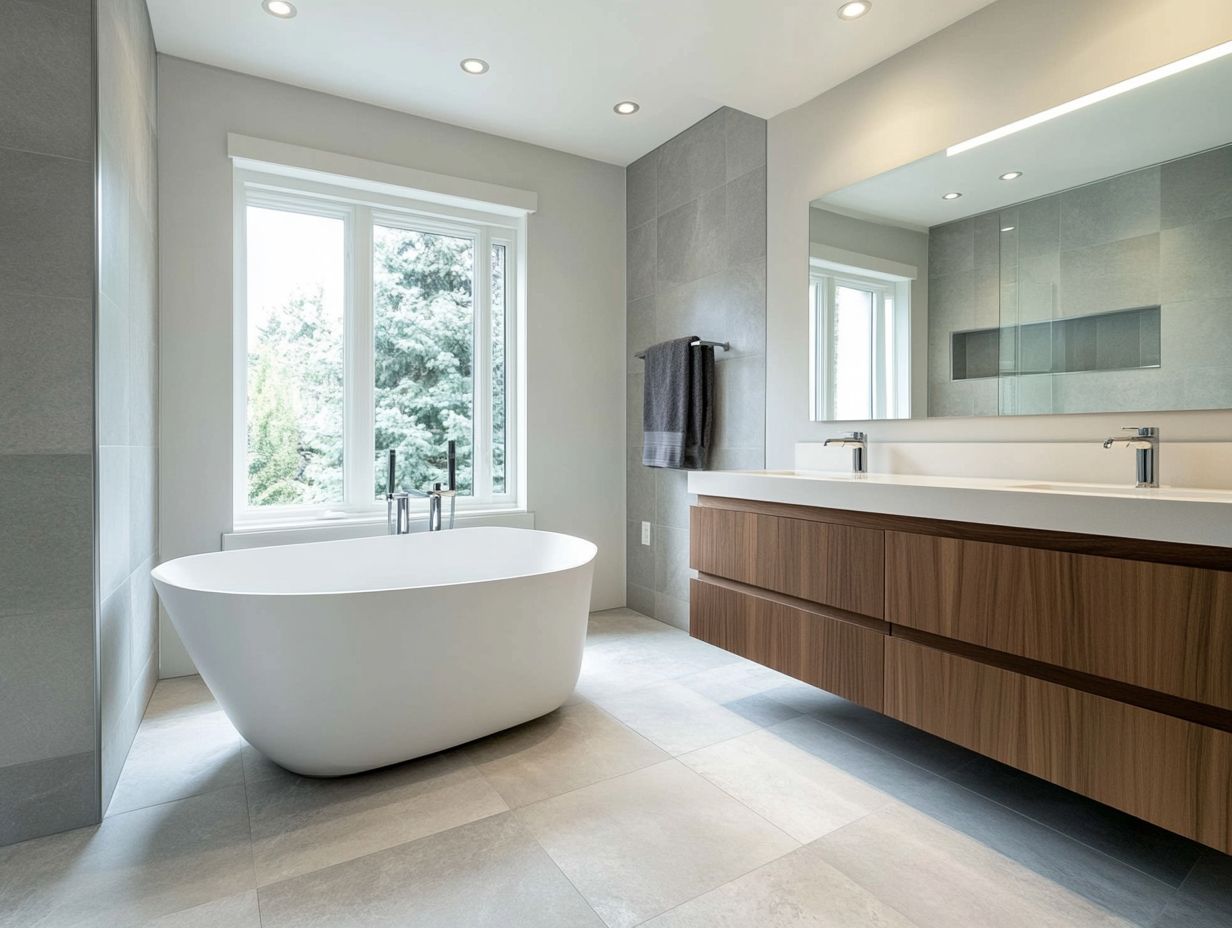
A full bathroom remodel involves a comprehensive renovation that transforms the entire space, enabling homeowners to create their ideal bathroom from the ground up. This type of remodeling typically includes the replacement of all fixtures, cabinetry, and finishes, resulting in a luxurious bathroom that meets contemporary standards. Attention to details like shower enclosures and upscale features can significantly enhance both the style and functionality of the finished space.
By undertaking this transformative process, individuals can fully customize their bathrooms with high-end materials, innovative technology, and sleek design elements that reflect their personal style. This makeover not only enhances functionality but also significantly increases the resale value of the home, making it more appealing to potential buyers.
While the investment in a full renovation generally ranges from several thousand to tens of thousands of dollars, the return on investment often justifies the expense. Additionally, considering current trends, such as spa-inspired designs and eco-friendly fixtures, can elevate the space’s aesthetic and efficiency while remaining within budget.
2. Partial Bathroom Remodel
A partial bathroom remodel emphasizes the enhancement of specific areas within the bathroom, offering a cost-effective solution for homeowners seeking to improve functionality and aesthetics without undertaking a complete renovation. This process may involve the replacement of fixtures, cabinetry, or finishes to elevate the overall appearance and usability of the space. Incorporating space optimization techniques can maximize the efficiency of even the smallest bathrooms.
By focusing on targeted improvements, homeowners can optimize their bathroom layout, creating an environment that feels larger and more organized. Attention to layout and the strategic placement of plumbing fixtures can improve both functionality and aesthetics.
Common upgrades may include:
- Installing a modern vanity equipped with ample storage
- Replacing outdated faucets and showerheads with sleek, water-saving alternatives
- Refreshing tile and paint to establish a brighter, more inviting atmosphere
These considered modifications not only rejuvenate the existing decor but also minimize disruption and costs compared to a full renovation, making it a practical choice for those wishing to enhance their living environment within a budget.
3. Cosmetic Bathroom Remodel
A cosmetic bathroom remodel represents an excellent option for homeowners aiming to refresh the appearance of their space without undertaking significant structural alterations. This type of remodel typically encompasses minor renovations, such as new paint, tiles, and fixtures, which are intended to enhance aesthetic appeal. Updating wall tiles and incorporating new color harmony can substantially revitalize the space.
By selecting new cabinetry or updating lighting fixtures, individuals can substantially improve the overall ambiance of the room. Critical components such as sinks and countertops may also be upgraded to contemporary designs, thereby enhancing both visual appeal and functionality.
When choosing materials, it is essential to consider durability in conjunction with style; for instance, selecting water-resistant and easy-to-clean surfaces can significantly enhance the practical benefits of the remodel. Employing a cohesive color palette will unify the design, creating a more harmonious and inviting space.
Homeowners will discover that even modest changes can have a profound impact on the overall charm and efficiency of the bathroom. Incorporating maintenance-free options and considering trends in color palette can continuously enhance the bathroom’s allure.
What are the Common Mistakes to Avoid in Bathroom Remodeling?
Bathroom remodeling can be a rewarding endeavor; however, it is crucial to avoid common mistakes that may lead to unforeseen costs and dissatisfaction with the final outcome. Proper planning and project management can mitigate risks and ensure a successful renovation.
One of the most prevalent errors is failing to establish a realistic budget, which can result in overspending and unexpected expenses throughout the project. Utilizing a mood board and design consultation can help clarify vision and financial limits.
1. Not Setting a Realistic Budget
Failing to establish a realistic budget is one of the most common missteps homeowners encounter when undertaking a bathroom remodeling project. In the absence of proper planning and consideration of remodeling costs, projects can rapidly escalate beyond the intended financial limits. Accurately forecasting renovation costs and establishing a clear project timeline are essential for maintaining control over expenditures.
Establishing a clear financial plan not only assists in managing expenses but also ensures that the project’s scope remains aligned with the desired outcomes. It is crucial to accurately estimate costs associated with materials, fixtures, labor, and any unforeseen expenses that may arise. Considering local regulations and permit requirements early in the planning process is also advisable to avoid delays and additional costs.
Homeowners should conduct thorough research and obtain multiple quotes from contractors to gain an understanding of prevailing market rates. Exploring various financing options, such as personal loans or home equity lines of credit, can provide the necessary funds while enabling homeowners to maintain control over their financial commitments. A design consultation can further refine the project scope and align it with personal preferences and budget constraints.
Comprehensive planning, combined with a detailed budget, facilitates a successful bathroom remodel while mitigating the stress associated with unexpected financial burdens. Attention to space efficiency and functionality vs aesthetics can guide decisions that enhance both daily use and visual appeal.
2. Not Hiring a Professional Contractor
One of the most critical mistakes in bathroom remodeling is the decision to forgo hiring a professional contractor, which can result in a range of issues, including substandard craftsmanship and project delays. Engaging the services of a professional contractor provides essential expertise in project management and quality assurance. They can guide the remodeling process, ensuring compliance with building codes and optimal layout design.
These professionals possess a comprehensive understanding of design intricacies and compliance with building codes, coupled with extensive experience that allows them to anticipate potential challenges and address them proactively. Their insights into the latest trends and smart technology can also introduce innovative solutions for improved space optimization.
Their established relationships with suppliers enable them to access high-quality materials at competitive prices, ensuring that the final outcome not only meets but exceeds expectations. They also provide warranties for their work, which can protect the homeowner’s investment in the long term.
A skilled contractor effectively coordinates the various tradespeople involved in a remodeling project, thereby conserving valuable time and minimizing stress for the homeowner. This coordination includes managing electrical work, tiling, plumbing, and ventilation to ensure all elements align seamlessly.
When choosing the appropriate contractor, it is imperative to verify their credentials, read client reviews, and request detailed estimates to ensure alignment with specific project needs. Contractor selection should also consider their ability to adhere to project timelines and manage unexpected issues effectively.
3. Not Considering the Layout and Functionality
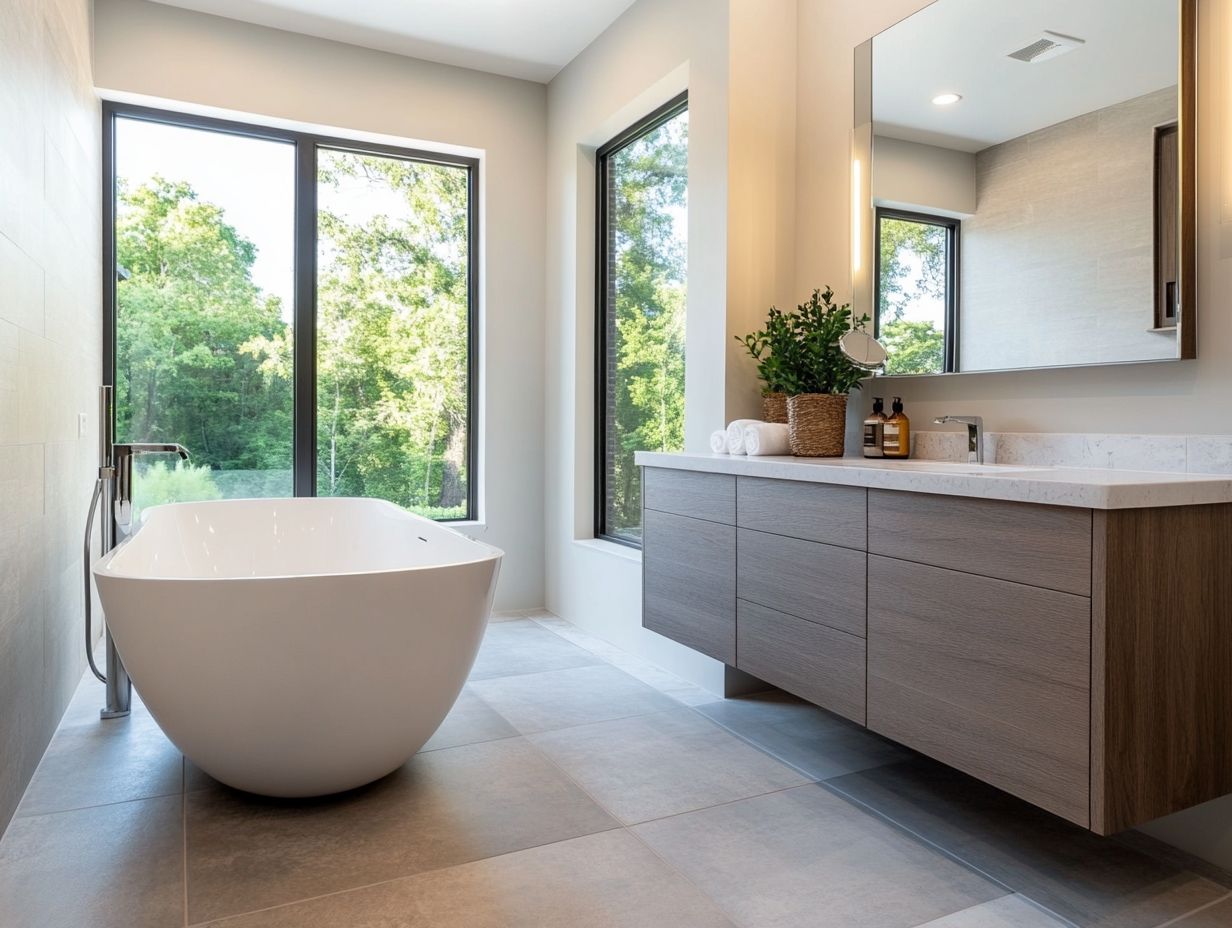
Neglecting to consider the layout and functionality of a bathroom during the remodeling process can result in overcrowded spaces and inefficient use of the available area. Effective space planning is essential, particularly for small bathrooms, where optimizing space is of utmost importance. Considering ceiling height and the placement of storage solutions can further enhance the bathroom’s efficiency and style.
Achieving a seamless flow not only enhances comfort during daily routines but also improves the overall aesthetic appeal of the bathroom. The thoughtful placement of fixtures, such as the sink, toilet, and shower, can foster a more spacious atmosphere. Incorporating safety features and ensuring water efficiency in plumbing choices can also improve functionality and reduce long-term costs.
Additionally, incorporating intelligent storage solutions, such as recessed shelves and cabinets, can significantly minimize clutter and maximize the use of vertical space. Choosing minimalist designs for these elements can enhance the bathroom’s sleek appearance.
It is imperative to recognize common pitfalls, such as overcrowding the area with oversized furniture or overlooking sufficient lighting. Homeowners should prioritize practicality and accessibility, ensuring that each element serves a specific purpose while contributing to a well-organized and functional environment. Considering ventilation and the selection of high-quality materials can further improve the bathroom’s air quality and long-term durability.
4. Not Choosing Quality Materials
Choosing inferior materials is a significant misstep that can adversely impact the longevity, functionality, and overall satisfaction of a bathroom renovation. High-quality materials not only enhance aesthetic appeal but also contribute to durability and ease of maintenance, making them essential considerations in the remodeling process. Don’t forget to incorporate stylish fixtures and modern design elements to elevate the space.
Selecting premium tiles, fixtures, and cabinetry minimizes the need for frequent repairs and replacements, ultimately resulting in time and cost savings over the long term. Additionally, eco-friendly materials and water-saving plumbing fixtures offer the advantage of sustainability, reducing the environmental impact of the renovation. Consider modern color schemes and lighting to enhance the overall ambiance.
In the process of selecting these materials, it is crucial to consider important factors such as waterproofing, stain resistance, ease of cleaning, and energy efficiency. Also, ensure the design consultation includes space planning for optimal layout and accessibility.
By dedicating time to research and consulting with knowledgeable professionals, individuals can make informed decisions that lead to the creation of a beautiful and lasting bathroom space that caters to the needs of modern lifestyles. Consider including upscale storage solutions and smart technology for enhanced convenience and luxury.
Frequently Asked Questions
What is bathroom remodeling?
Bathroom remodeling is the process of renovating or upgrading a bathroom to improve its functionality, aesthetics, and overall value. This process often involves space optimization, custom design, and adhering to building codes.
Why should I consider bathroom remodeling?
Bathroom remodeling can improve the functionality and appearance of your bathroom, increase your home’s resale value, and create a more comfortable and enjoyable space for you and your family. It can also include features like a stylish vanity and luxurious showerhead to enhance visual appeal.
How long does a bathroom remodeling project take?
The duration of a bathroom remodeling project depends on the scope, timeline, and complexity of the project. On average, a small bathroom remodel can take 1-2 weeks, while a larger project can take 3-4 weeks. Proper project management and planning are key to staying on schedule.
Do I need to hire a professional for my bathroom remodeling project?
While it is possible to DIY a bathroom remodeling project, it is highly recommended to hire a professional contractor. They have the necessary skills, experience, and expertise to ensure a successful and efficient remodel, including handling complex installations like plumbing and electrical work.
What are some popular trends in bathroom remodeling?
Some popular trends in bathroom remodeling include using neutral colors, incorporating natural materials, adding smart technology, and creating spa-like features such as a rain shower or soaking tub. Consider minimalist designs and water efficiency to keep the space modern and eco-friendly.
How much does a bathroom remodeling project cost?
The cost of a bathroom remodeling project can vary greatly depending on the size, materials used, and complexity of the project. On average, a small bathroom remodel can cost $10,000-$15,000, while a larger project can cost $20,000 or more. It’s essential to obtain estimates and consider both upscale and budget-friendly options to align with your investment and family needs.