
Top Kitchen Renovation Ideas To Transform Your Space
Home Automation Systems Making Your Home Smart
Creating Childfriendly Spaces In Your Home
Looking to transform your home into a child-friendly oasis that promotes safety, creativity, and learning?
We explore the importance of child-friendly spaces and provide design tips to help you create a welcoming environment for your little ones.
From incorporating bright colors and natural elements to selecting safe furniture and optimizing space for play, we cover everything you need to know to make your home a haven for children.
Join us as we delve into the world of creating child-friendly spaces with Palmetto Renovations, the experts in home renovations and remodeling in Columbia, SC.
Key Takeaways:
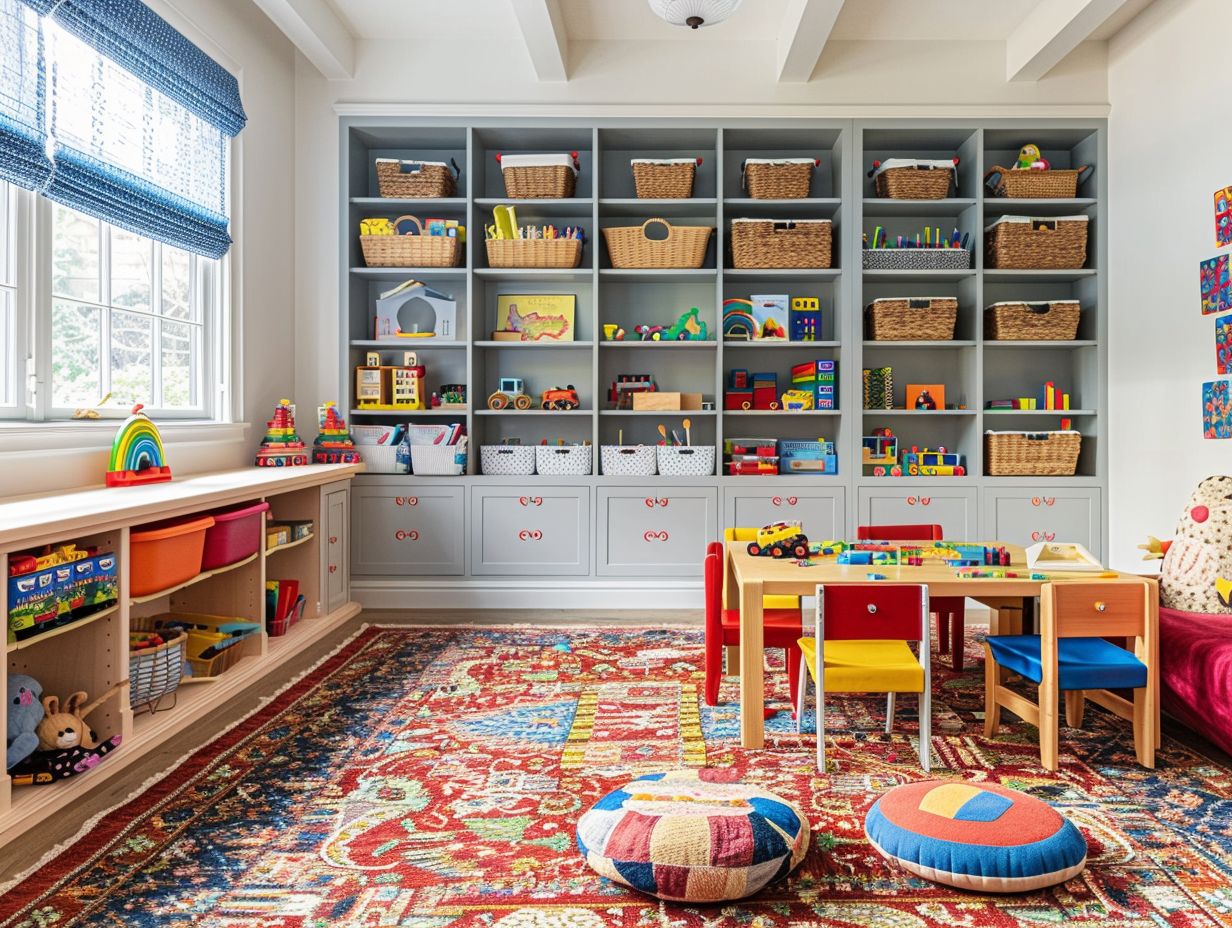
- Understand the importance of creating child-friendly spaces in your home.
- Incorporate bright colors, nature, and natural light to create a stimulating and safe play area.
- Childproofing and selecting safe, durable furniture are essential for a child-friendly home.
Understanding the Importance of Child-friendly Spaces
Chantelle Grady emphasizes the significance of child-friendly spaces in fostering a nurturing environment for children to thrive. These spaces are meticulously designed to cater to the needs of children, ensuring safety, comfort, and stimulation. By understanding the importance of creating such spaces, parents can actively contribute to their children’s growth and development.
These child-friendly spaces play a crucial role in shaping children’s behavior, cognitive development, and overall well-being. The ambiance and design of these spaces have a direct impact on how children interact, learn, and feel.
Studies have shown that children who have access to stimulating environments at home tend to exhibit higher levels of creativity, problem-solving skills, and social engagement. The home environment, with its warmth, security, and openness to exploration, significantly influences children’s experiences and sets the stage for healthy development.
Design Tips for Child-friendly Spaces
Designing child-friendly spaces involves a thoughtful process that integrates elements like bright colors, natural materials, ample lighting, smart storage solutions, and innovative flooring choices such as bamboo charcoal and rubber mats. Jilli Gomez and Lauren Lachica are known for their expertise in infusing spaces with creativity and functionality, making them ideal for children to explore and enjoy.
By incorporating bright colors like vibrant yellows, calming blues, and playful greens, these designers create environments that stimulate children’s curiosity and creativity. The use of natural materials such as wood, cork, and wool not only adds warmth and texture but also promotes a sense of eco-consciousness. Optimizing light through strategic placement of windows, skylights, and task lighting ensures a well-lit and inviting space for play and learning. Smart storage solutions like built-in cubbies, shelving systems, and multifunctional furniture maximize space and encourage organization, enhancing the functionality of the room.
Add Bright Colors To Your Palette
Introducing bright colors into the design palette of child-friendly spaces adds vibrancy and a sense of playfulness. By incorporating hues that stimulate creativity and energy, designers like Jilli Gomez and Lauren Lachica create environments that inspire children to engage actively and imaginatively.
Colors play a significant role in shaping children’s emotions and behavior. Studies have shown that vibrant shades like red and yellow can evoke feelings of excitement and joy, while softer tones such as blue and green have a calming effect. The strategic use of color in educational and recreational settings can enhance cognitive development and encourage social interaction among kids. When surrounded by a visually stimulating environment, children are more likely to feel motivated and curious, which ultimately fosters a positive and enriching experience.
Bring In Nature
Bringing elements of nature into child-friendly spaces, such as using natural materials like wood and plants, creates a connection to the outdoors and promotes a sense of calm and well-being. Designers focus on incorporating nature-inspired elements to instill a love for the environment in children from a young age.
By surrounding children with natural elements, they are encouraged to explore their surroundings and engage in sensory experiences that can boost creativity and imagination.
Research has shown that exposure to nature-themed spaces can positively impact children’s cognitive abilities, such as problem-solving skills and attention span, while also nurturing their emotional development by fostering feelings of tranquility and reducing stress levels.
Nature-inspired design elements can provide a peaceful retreat for children to unwind, recharge, and connect with the natural world, offering a holistic approach to their overall well-being.
Let The Light In
Natural light plays a crucial role in shaping the ambiance of child-friendly spaces, creating a bright and inviting atmosphere that uplifts moods and enhances visibility. Designers prioritize optimizing natural light sources and using lighting fixtures strategically to illuminate various areas within the space.
This emphasis on light isn’t just about aesthetics; it significantly impacts the functionality and overall well-being of children in these spaces. Adequate natural light exposure has been linked to improved mood, better concentration, and enhanced overall health for kids.
When children are surrounded by well-lit environments, their circadian rhythms are supported, helping to regulate their sleep patterns and promote a sense of balance and calmness. Proper lighting design can reduce eye strain and create visual interest, stimulating children’s curiosity and engagement with their surroundings.
Be Creative And Safe With Storage
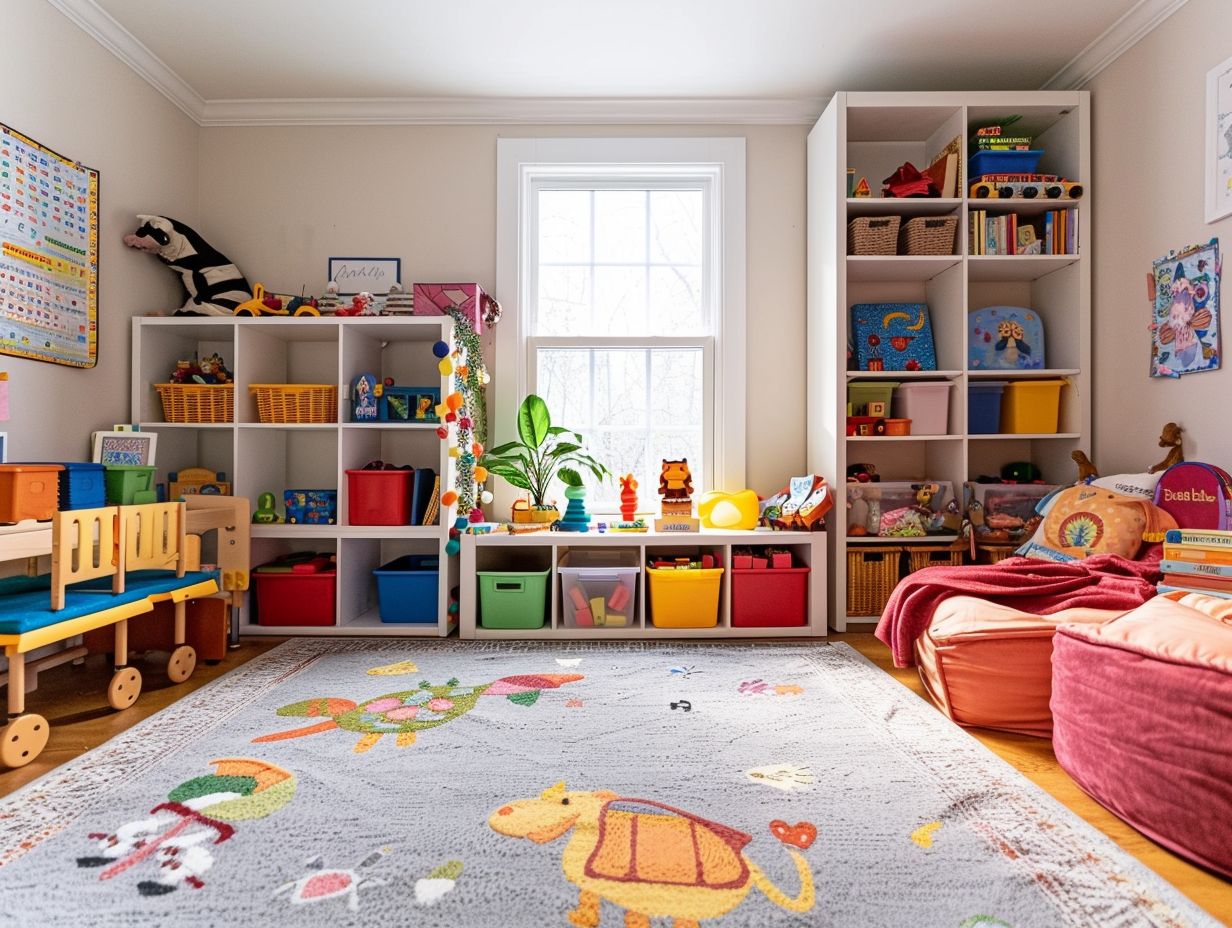
In child-friendly spaces, storage solutions are designed to be both functional and safe, allowing children easy access to their belongings while ensuring items are stored securely. Designers like Jilli Gomez and Lauren Lachica integrate creative storage options that complement the overall design aesthetic, enhancing the space’s organization and visual appeal.
These innovative storage ideas not only cater to the storage needs of children but also prioritize safety considerations. For instance, incorporating soft-close drawers and cabinets can prevent little fingers from getting caught. Utilizing wall-mounted storage units can free up floor space, reducing the risk of clutter and potential hazards. Labels or color-coded bins can aid children in keeping their items organized, promoting a sense of responsibility and independence. By blending functionality with safety, these storage solutions create a harmonious and secure environment for children to thrive.
“Soften” Your Floor
Choosing flooring materials like bamboo charcoal and rubber mats in child-friendly spaces not only adds a soft and cushioned feel underfoot but also enhances safety by reducing the risk of slips and falls. Designers prioritize selecting flooring options that are durable, easy to maintain, and contribute to the overall aesthetic appeal of the space.
Bamboo charcoal flooring is known for its antibacterial properties, helping to promote a cleaner and healthier environment for children to play in. Rubber mats offer excellent shock absorption, creating a safer surface for kids engaged in various activities. These materials are also eco-friendly options, aligning with the growing trend towards sustainable and non-toxic design choices for children’s spaces.
The combination of bamboo charcoal and rubber mats not only ensures a secure and comfortable play area but also adds a touch of natural warmth and style to the surroundings.
Enhancing Safety in Child-friendly Spaces
Ensuring the safety of children in child-friendly spaces involves implementing essential childproofing measures to prevent accidents and injuries. From securing furniture to covering electrical outlets, designers take meticulous steps to create environments that prioritize child safety while maintaining a balance with aesthetic appeal.
- Softening sharp edges
- Using non-toxic materials
- Installing safety gates
are key considerations in designing child-friendly spaces. It is crucial to secure heavy items to prevent tipping, avoid small objects that could pose a choking hazard, and ensure proper supervision around water sources.
- Considering height-appropriate furniture
- Utilizing door knob covers
can further enhance child safety in everyday interactions with the environment. These practical tips aim to create a space where children can play and explore confidently, while caregivers can have peace of mind knowing that proper safety measures are in place.
Childproofing Essentials
Childproofing essentials in child-friendly spaces encompass a range of safety measures such as securing cabinets, installing safety gates, and padding sharp corners. Designers collaborate with parents to identify potential hazards and implement solutions that mitigate risks while preserving the aesthetics of the space.
These safety precautions are crucial for creating a secure environment that allows children to explore and play without unnecessary risks. Electrical outlets should be covered with outlet plugs, heavy furniture should be anchored to walls to prevent tipping, and window blinds cords should be out of reach to avoid strangulation hazards.
Using door knob covers to restrict access to certain rooms, ensuring cords are tucked away, and keeping small objects out of reach can all contribute to a safer space for children to thrive in.
Furniture and Layout Ideas for Child-friendly Spaces
Selecting furniture and planning layouts for child-friendly spaces involves considerations of safety, functionality, and aesthetics. Designers work closely with families to choose durable and child-friendly furniture pieces that enhance the space’s usability while promoting a sense of play and learning for children of different ages.
By focusing on safety, designers pay particular attention to rounded edges, sturdy construction, and non-toxic materials that are easy to clean. Selecting furniture with adjustable features allows for flexibility in accommodating children’s growth and changing needs. Optimizing space layouts involves creating designated areas for different activities such as reading nooks, art corners, and play zones, fostering a diverse range of experiences that support children’s cognitive and physical development. Thoughtful consideration of color schemes and interactive elements further enhances the overall ambiance and engagement within the child-friendly space.
Selecting Safe and Durable Furniture
Choosing safe and durable furniture for child-friendly spaces is paramount to creating environments that support children’s exploration and play without compromising on safety. Designers prioritize selecting furniture pieces that are age-appropriate, easy to clean, and resistant to wear and tear, ensuring a secure and engaging space for children.
In terms of enhancing children’s comfort and interaction with their surroundings, furniture plays a vital role. Child-friendly furniture should not only be safe but also comfortable and inviting. Soft edges, ergonomic designs, and appropriate sizes are key factors to consider.
By providing furniture that is inviting and comfortable, children are encouraged to engage with their environment, sparking creativity and fostering a sense of independence. Selecting furniture that is versatile and easily movable allows children to rearrange and customize their space, promoting a sense of ownership and give the power toment.
Optimizing Space for Play and Learning
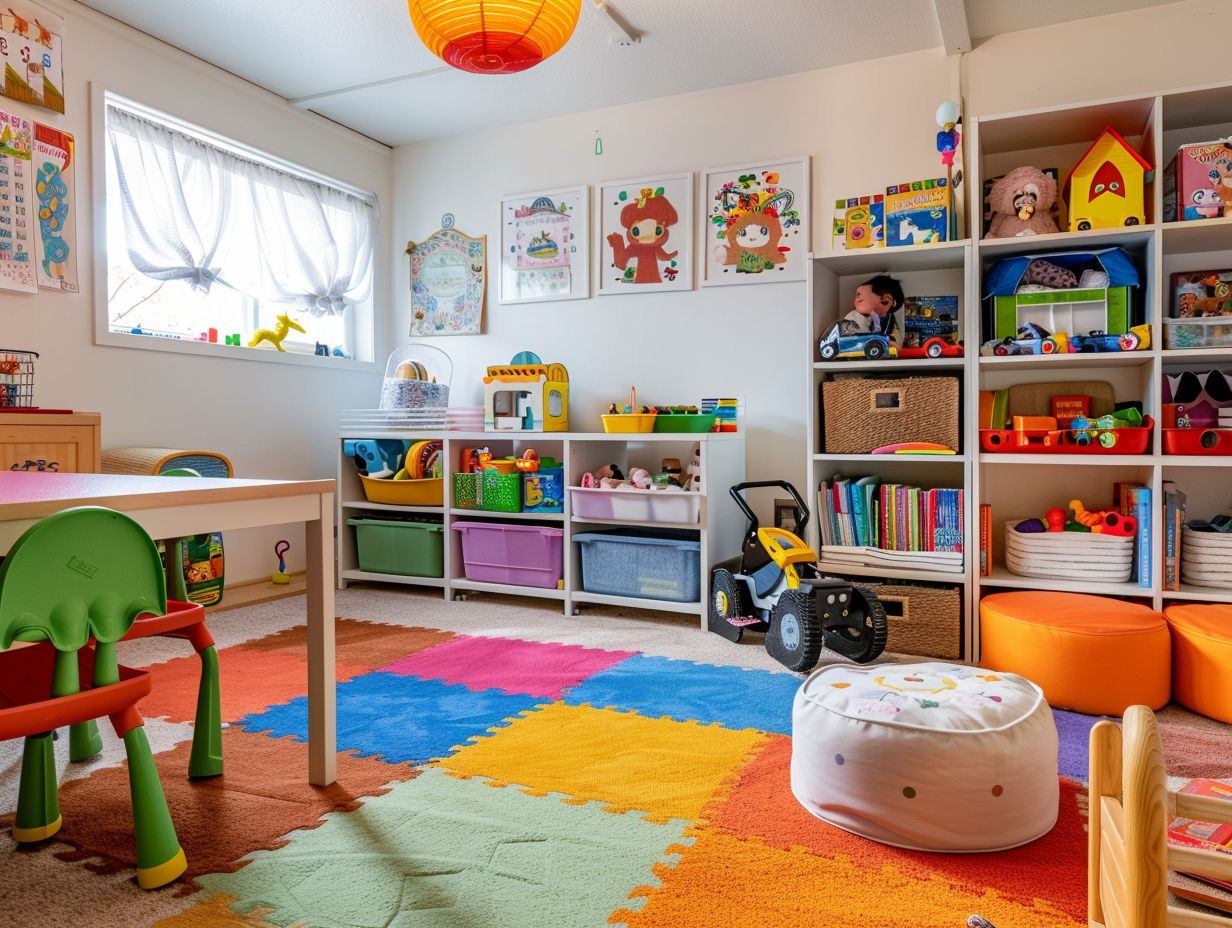
Creating an optimal space for play and learning in child-friendly environments involves thoughtful layout planning that maximizes usability, safety, and educational value. Designers collaborate with families to design spaces that cater to children’s diverse needs, providing designated areas for play, study, and relaxation.
By incorporating elements like versatile furniture that can be easily reconfigured, designers can create adaptable spaces that evolve with the child’s interests and developmental milestones.
Maximizing natural light, incorporating sensory elements, and promoting organization through storage solutions are key strategies in designing spaces that stimulate children’s curiosity and creativity.
Integrating interactive elements like chalkboard walls, reading nooks, and designated art areas can encourage exploration and experiential learning.
Incorporating Educational Elements in Child-friendly Spaces
Infusing educational elements into child-friendly spaces enhances children’s cognitive development and fosters a love for learning from an early age. Designers create designated learning nooks that stimulate curiosity and creativity, integrating interactive elements that encourage exploration and discovery in a playful environment.
Through the incorporation of educational materials such as interactive touch screens, colorful learning posters, and hands-on science experiments, children are offered a diverse array of engaging opportunities to expand their knowledge and skills. These features not only entertain but also challenge young minds, fostering a sense of wonder and a thirst for knowledge. By immersing children in interactive learning experiences within their surroundings, they develop critical thinking abilities, improve problem-solving skills, and cultivate a lifelong passion for learning.
Creating Learning Nooks
Designing learning nooks in child-friendly spaces involves creating dedicated areas that inspire a love for exploration and learning. From interactive books to hands-on activities, designers curate educational materials that cater to children’s interests and developmental milestones, fostering a holistic approach to early childhood education.
These learning nooks are carefully designed to stimulate young minds and encourage a sense of curiosity. Interactive tools such as colorful puzzles, building blocks, and educational games are strategically placed within these spaces to promote cognitive development and enhance problem-solving skills. Sensory bins filled with various textures and materials offer tactile experiences that engage children’s senses and spark creativity. By incorporating technology like educational apps and interactive displays, learning nooks provide a dynamic and interactive learning environment that complements traditional teaching methods.
Maintaining and Updating Child-friendly Spaces
Sustaining the functionality and safety of child-friendly spaces requires regular cleaning and maintenance practices to ensure a hygienic and hazard-free environment for children. Designers provide guidance on effective cleaning routines and periodic inspections to address wear and tear, keeping the space inviting and secure for children’s everyday activities.
Regular inspection of play equipment and toys is crucial to identify any potential safety hazards or damages that may pose risks to children. It is recommended to check for loose bolts, sharp edges, or broken pieces that need immediate repair or replacement to prevent accidents.
Plus cleaning surfaces regularly, sanitizing high-touch areas like doorknobs, light switches, and play tables is essential to reduce the spread of germs and maintain a healthy environment for children.
Creating a maintenance schedule and documenting repairs can help track the upkeep of child-friendly spaces and ensure they remain safe and clean.
Regular Cleaning and Maintenance
Implementing regular cleaning and maintenance practices in child-friendly spaces is essential to uphold hygiene standards and prolong the lifespan of furniture and materials. Designers collaborate with families to establish cleaning routines and maintenance schedules that prioritize safety and cleanliness while preserving the aesthetic appeal of the space.
This partnership between designers and families fosters a sense of collective responsibility towards maintaining a clean and safe environment for children. By involving families in the upkeep process, not only are cleaning tasks efficiently distributed, but families also gain a deeper appreciation for the space’s design and functionality. Encouraging proactive cleaning habits among children from a young age further instills a mindset of respect for their environment, promoting a lasting culture of cleanliness and care within the child-friendly space.
Frequently Asked Questions
What are child-friendly spaces in a home?
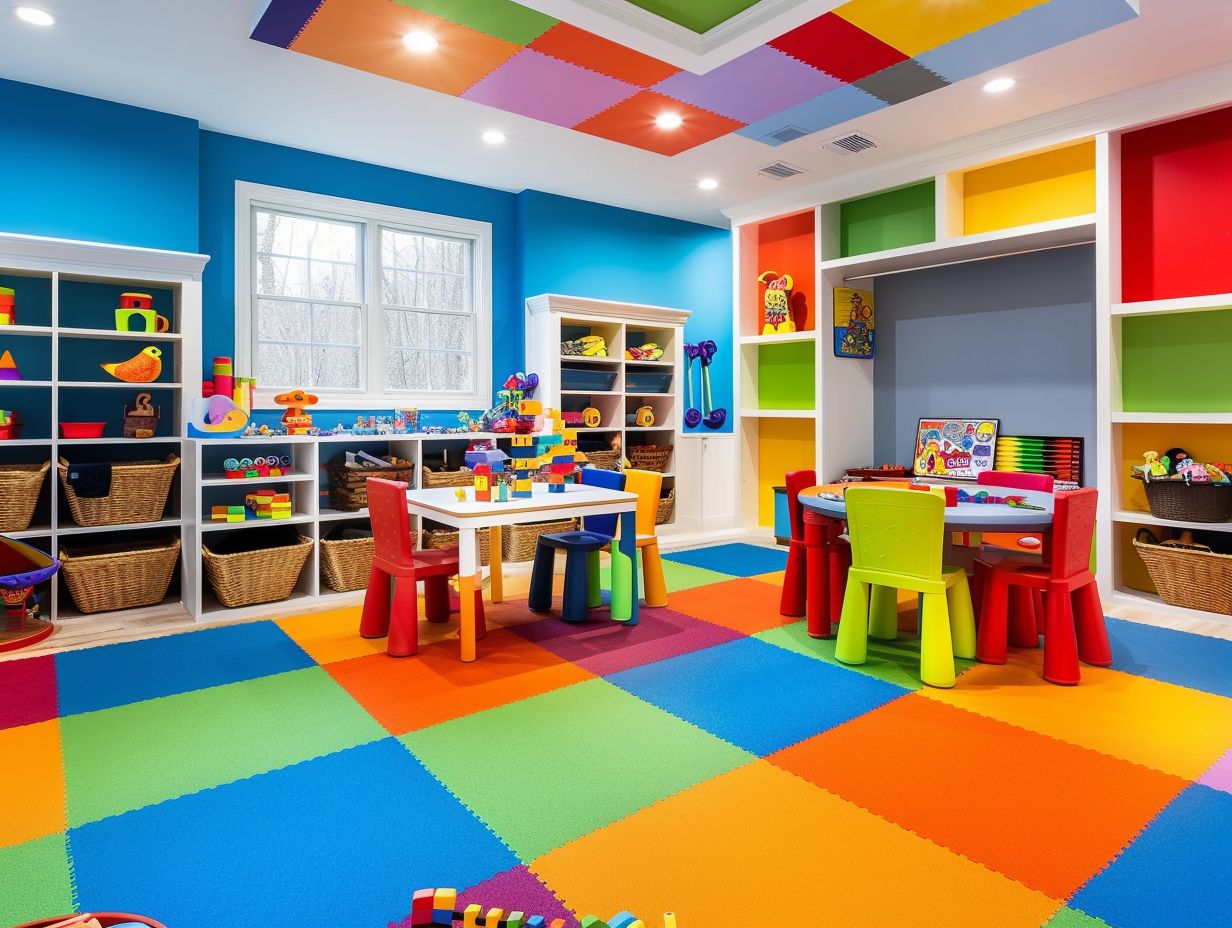
Child-friendly spaces in a home refer to areas that are designed and equipped to ensure the safety and comfort of children. These spaces are tailored to meet the needs and interests of children, providing them with a safe and nurturing environment to play, learn, and grow.
Why is it important to create child-friendly spaces in your home?
Creating child-friendly spaces in your home is essential for the safety and well-being of your children. It allows them to explore and engage in activities without the risk of accidents or injuries. Moreover, these spaces promote a positive and stimulating environment for children, aiding in their physical, emotional, and cognitive development.
What are some key elements to consider when creating child-friendly spaces in your home?
There are several factors to consider when designing child-friendly spaces in your home, including safety measures, age-appropriateness, functionality, and flexibility. It is also crucial to involve your child in the design process and consider their interests and needs to create a space that they will enjoy.
Can any room in the house be turned into a child-friendly space?
Yes, almost any room in the house can be transformed into a child-friendly space with the right design and equipment. However, it is recommended to have a designated play area in the home, such as a playroom or a corner in the living room, to keep the rest of the house clutter-free and safe for children.
What are some child-friendly spaces that can be created in a home?
Some popular child-friendly spaces in a home include playrooms, reading nooks, art corners, outdoor play areas, and study spaces. These spaces can be tailored to suit the interests and needs of your child, providing them with a safe and engaging environment to learn and play.
Do I need to hire a professional to create child-friendly spaces in my home?
It is not necessary to hire a professional to create child-friendly spaces in your home. However, it can be beneficial to consult with an expert or a contractor to ensure the safety and functionality of the space. You can also find inspiration and ideas online or from other child-friendly spaces in your community.