

Design-Build vs. General Contractor: Which Is Better for Your Lexington SC Project?

How to Budget for a Home Remodel in Lexington, SC

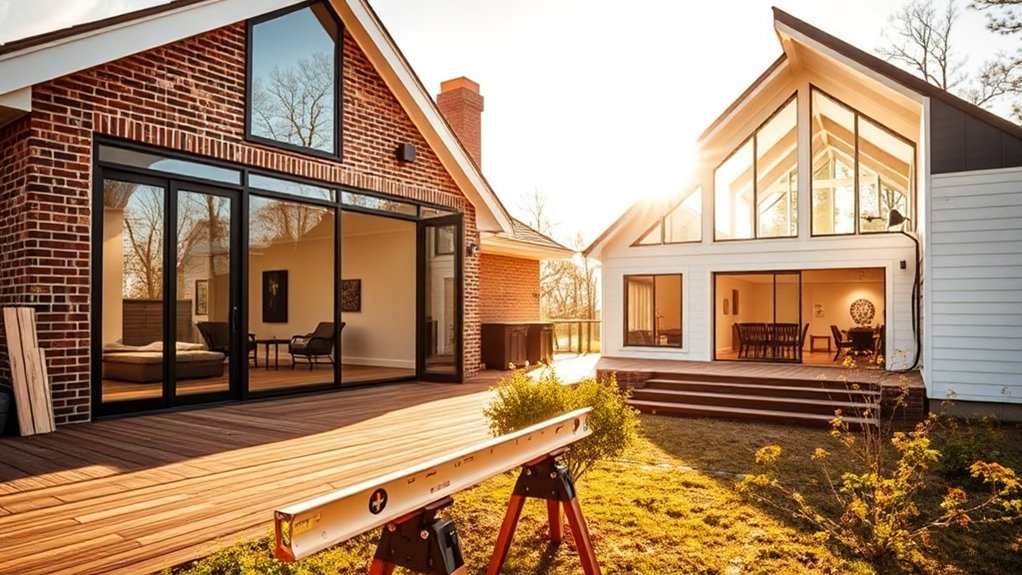
You’re standing in your Lexington home, feeling the walls close in, and wondering if adding space might finally give your family room to breathe. Home additions typically cost between $25,000 and $150,000 for single-story projects, though you’ll need proper permits and a licensed contractor to navigate South Carolina’s building codes. The process takes three to six months, and right now, it’s often smarter than moving—you’ll avoid realtor fees while staying rooted in your neighborhood. What follows will help you understand exactly what’s possible.
Key Takeaways
- Kitchen extensions, sunrooms, master suites, and extra bathrooms are popular additions that enhance space, functionality, and family comfort.
- Single-story additions cost $25,000-$150,000, while second-story additions range from $180-$300 per square foot with longer timelines.
- Lexington County requires building permits and code compliance to ensure safe, energy-efficient structures that avoid costly construction mistakes.
- Home addition projects typically take three to six months, depending on weather, permits, and effective project management practices.
- Vet contractors by verifying South Carolina licenses, insurance coverage, and requesting detailed bids from at least three qualified professionals.
Most Popular Home Addition Types for Lexington Properties

The dream of extra space transforms ordinary houses into homes that finally fit the way families actually live, and in Lexington, SC, homeowners are discovering that the right addition can solve years of accumulated frustration with cramped kitchens, overcrowded bedrooms, or the absence of a place to simply breathe. You’ll find that kitchen extensions consistently top the list here, creating gathering spaces where memories unfold over shared meals and late-night conversations that matter. Sunroom additions have captured hearts too, offering that precious shift between indoor comfort and outdoor beauty where morning coffee tastes different somehow. Master suite additions give couples their sanctuary back, while extra bathrooms end the morning chaos that’s been testing everyone’s patience for far too long. Moreover, engaging a licensed remodeler when planning these additions ensures that the projects adhere to quality standards and safety regulations.
What Lexington Home Additions Cost: Budget Breakdown by Project Type
You’ve probably wondered what it’ll actually cost to expand your Lexington home, and honestly, the answer depends on whether you’re building out or building up. Single-story additions typically feel more manageable financially because they don’t require the same structural reinforcements as adding a second floor, though that doesn’t mean they’re inexpensive—you’re still looking at foundation work, roofing extensions, and connecting new spaces to your existing systems in ways that feel seamless. Second-story additions often hit your budget harder upfront since they demand engineered support beams and structural modifications to carry that additional weight, yet they can actually save you money in the long run by preserving your yard space and avoiding the extensive site work that ground-level expansions require. Understanding the importance of budget-friendly choices can help you prioritize your spending in line with your renovation goals.
Single-Story Addition Costs
When you’re dreaming of expanding your Lexington home outward rather than upward, single-story additions offer a path that feels both exciting and surprisingly within reach for many homeowners. The single story benefits extend beyond accessibility—they’re gentler on your existing foundation and typically require less structural engineering than their vertical counterparts.
| Addition Type | Cost Range | Timeline |
|---|---|---|
| Basic room | $25,000-$50,000 | 2-4 months |
| Sunroom | $30,000-$70,000 | 3-5 months |
| Master suite | $60,000-$150,000 | 4-7 months |
Your budget considerations should account for foundation work, roofing that seamlessly matches your existing structure, and HVAC extensions. These additions transform your daily living experience while maintaining your home’s familiar character, creating spaces where memories will unfold naturally across accessible, ground-level square footage.
Second-Story Addition Expenses
Building upward transforms not just your square footage but your entire relationship with your home, though second-story additions demand a deeper financial commitment than their ground-level counterparts. You’ll face costs between $180 and $300 per square foot in Lexington—nearly double what you’d invest in a single-story expansion. This cost comparison reflects the emotional weight of your decision: strengthening your foundation, reinforcing walls, and maneuvering complex design considerations that’ll reshape how you experience every room below. You’re not simply adding space; you’re reimagining your home’s entire structure. The structural engineering alone carries significance, ensuring your existing foundation supports dreams that reach skyward, protecting what you’ve already built while embracing bold transformation.
Navigating Lexington Building Codes and Permit Requirements
Before you fall in love with blueprints of your dream sunroom or that spacious master suite addition, you’ll need to understand that Lexington County has specific building codes and permit requirements that’ll shape every aspect of your project. Securing building permits isn’t just bureaucratic red tape—it’s your pathway to creating something that’ll stand strong for generations. You’ll discover that code compliance actually fuels innovation rather than stifling it, pushing you toward smarter structural solutions and energy-efficient designs you might’ve otherwise overlooked. The permitting process becomes surprisingly personal when you realize inspectors aren’t obstacles but guides protecting your investment. They’ve seen countless additions transform homes, and their expertise helps you avoid costly mistakes that could’ve turned your vision into regret. As you navigate the local regulations guiding your project, engaging with inspectors and understanding their role can significantly enhance your design process.
Which Home Additions Pay Off Most in Lexington?
You’ve navigated the permits and codes, and now comes the question that’ll likely determine whether you move forward or step back: which additions will actually return your investment when it’s time to sell, or better yet, genuinely improve how you live today? In Lexington’s market, primary bedroom suites consistently deliver the strongest return on investment, often recouping 60-70% of costs while transforming your daily routine into something more peaceful. Additional bathrooms follow closely, addressing the morning chaos that defines family life. Kitchen expansions boost property value considerably, though they demand careful budgeting. Sunrooms capture our Southern lifestyle beautifully, offering spaces where you’ll actually gather rather than simply admire. Moreover, kitchen renovations can increase home value significantly, making them a smart choice for many homeowners. The smartest approach? Choose additions that serve both your present needs and future buyers’ desires.
How Long Does a Home Addition Take in Lexington?

Timing transforms even the most exciting home addition into a test of patience, and knowing what to expect makes the difference between frustrated anticipation and peaceful planning. Your construction timeline in Lexington typically spans three to six months, though weather delays and permit processing can extend this window. You’ll experience the emotional weight of displacement as crews work through your daily space, testing your adaptability in ways you hadn’t imagined. Effective project management becomes your anchor during this transformation, helping you navigate the inevitable moments when progress seems impossibly slow. Trust that each phase—from foundation to final walk-through—brings you closer to the expanded sanctuary you’ve envisioned, even when dust clouds your patience and jackhammers interrupt your morning coffee. Additionally, budgeting for home remodeling is crucial to ensure you stay on track financially throughout the process.
Designing for Lexington’s Climate and Architectural Style
When you design a home addition in Lexington, you’re entering into a conversation with both the relentless Carolina heat and the architectural heritage that defines these neighborhoods, where traditional Southern charm meets the practical demands of humid summers and unpredictable spring storms. I’ve watched homeowners transform their spaces by honoring what came before while embracing what’s possible now.
Consider these climate-conscious approaches:
- Extend your outdoor living with covered porches that create natural cooling zones.
- Choose eco-friendly materials like reclaimed wood that breathes with humidity changes.
- Install strategic overhangs that shield windows from afternoon sun while preserving your home’s character.
Incorporating eco-friendly materials is not only beneficial for the environment but also enhances indoor air quality, making your home a healthier space.
You’ll find that respecting Lexington’s identity doesn’t mean sacrificing modern comfort—it means designing additions that feel like they’ve always belonged here.
How to Vet and Hire the Right Addition Contractor
Finding the right contractor for your home addition feels like searching for someone you can truly trust with one of your biggest investments—because that’s exactly what it is. You’ll want to start by verifying their South Carolina contractor’s license and checking that they carry proper insurance, not because you’re being overly cautious, but because these credentials protect you from costly mistakes and legal headaches that could turn your dream project into a nightmare. Once you’ve confirmed they’re legitimate, request detailed written bids from at least three contractors so you can compare not just prices, but also their understanding of your vision, the quality of materials they propose, and the realistic timeline they’re willing to commit to in writing. Additionally, ensure that you focus on contractors with proven relevant experience to strengthen the likelihood of a successful project.
Verify Credentials and Licensing
Before you hand over a deposit or sign any contract, you need to confirm that your potential contractor holds the proper South Carolina licenses and credentials—because hiring someone without this verification feels a bit like trusting a stranger with your life savings. I’ve watched homeowners skip this step, only to face heartbreak when unlicensed workers disappeared mid-project.
Here’s how you’ll verify credentials effectively:
- Check the South Carolina Licensing Board to confirm their contractor number matches current licensing requirements
- Request proof of liability insurance and workers’ compensation coverage directly from their provider
- Ask for references from recent addition projects, then actually call them
This groundwork protects your investment and honors the dream you’re building for your family’s future.
Request Detailed Project Bids
How detailed should a project bid really be? When you’re investing in custom designs for your home, you deserve transparency that honors your vision and vulnerability. A thorough bid shouldn’t leave you guessing—it should itemize materials, labor costs, timelines, and potential challenges with honesty that builds trust. You’ll want contractors who address budget considerations upfront, acknowledging the emotional weight of expanding your living space. Request breakdowns that explain why certain innovative approaches cost more, how they’ll protect your investment, and what unexpected expenses might surface. This isn’t just paperwork; it’s the foundation of a partnership where your dreams meet reality, where professional expertise validates your hope for something better, something truly yours.
Why Home Additions Beat Buying in Lexington’s Current Market
While scrolling through real estate listings in Lexington might feel like the natural next step when your family’s outgrowing your current home, the numbers tell a different story that’s worth sitting with for a moment. Current market trends reveal something you’ve probably felt in your gut—home additions offer investment benefits that outpace the emotional and financial toll of relocating.
Consider these realities:
- You’re avoiding 6-8% in realtor fees that vanish into someone else’s pocket instead of building equity in your own space.
- You’re staying rooted in the neighborhood where your kids already know every shortcut and neighbor’s name.
- You’re creating exactly what you need rather than compromising on someone else’s vision, allowing for personalized residences that improve your quality of life.
This isn’t just smart economics—it’s honoring the life you’ve already built.
7 Costly Mistakes Lexington Homeowners Make With Additions

The decision to add onto your home feels empowering right up until the moment you realize you’ve walked straight into one of the traps that’s ensnared dozens of Lexington homeowners before you—and suddenly that empowerment morphs into regret that sits heavy in your chest at 2 AM when you can’t sleep. You’ll skip the proper budget planning because you’re convinced you can eyeball the costs, then watch your dream addition drain your savings plus another fifteen thousand you didn’t have. You’ll ignore critical design considerations like how natural light flows through your existing space, creating a beautiful room that somehow feels wrong every time you walk into it. These mistakes aren’t abstract warnings—they’re real consequences that’ll follow you through every morning coffee in that poorly planned kitchen extension. Ensuring proper project management is essential to avoid such pitfalls and guarantee a smoother renovation process.
Frequently Asked Questions
Can I Live in My Home During the Addition Construction?
You can absolutely live in your home during construction, though it’ll test your patience in ways you might not expect. The construction noise becomes your unwelcome alarm clock, and safety concerns require constant vigilance, especially with children or pets. You’ll need to embrace flexibility and innovation in your daily routines, creating temporary solutions that transform disruption into an opportunity for growth and resilience you didn’t know you possessed.
Will a Home Addition Affect My Property Taxes in Lexington?
Yes, you’ll likely see a property tax assessment increase after completing your home addition. The reality is that expanding your living space creates a home value increase, which Lexington County will reassess. While higher taxes might feel intimidating, consider this: you’re investing in your family’s future and creating a space that grows with your dreams. That increased value represents something tangible—your vision becoming reality, even if it means adjusting your budget to accommodate the change.
Do I Need to Hire an Architect for My Addition?
You’ll need to evaluate architect qualifications carefully for your addition. While smaller projects might not legally require one, bringing an architect aboard can transform your vision into something extraordinary. They’ll navigate complex structural challenges, optimize your addition timeline, and guarantee everything flows seamlessly with your existing home. It’s honestly about honoring your investment—choosing someone who sees beyond walls and blueprints to create spaces that’ll genuinely enrich how you live and grow in your home.
How Do I Finance a Home Addition Project?
You’ll discover financing options that transform your vision into reality through careful planning and creative budgeting strategies. Consider home equity loans or lines of credit, which tap into your property’s value, or explore construction loans designed specifically for additions. You might even blend personal savings with low-interest credit cards for smaller projects. The key isn’t just finding money—it’s understanding how each choice shapes your financial future and your family’s comfort, making the journey as meaningful as the destination itself.
What Happens if We Discover Structural Issues During Construction?
When you discover structural issues during construction, you’ll need to pause and reassess—it’s honestly a vulnerable moment that tests your commitment to doing things right. Your contractor must obtain updated renovation permits to address these problems legally, and you’ll require additional structural inspections to guarantee safety. This unexpected turn might feel overwhelming, but it’s actually an opportunity to create something stronger and more innovative than you originally imagined, transforming a setback into genuine improvement for your home’s future.
Conclusion
Adding space to your Lexington home isn’t just about square footage—it’s about creating room for the life you’re building. You’ve learned what it costs, how long it takes, and which projects truly pay off. Now you’re equipped to move forward with confidence, but don’t let your dream renovation become a costly nightmare.
Before you pick up that sledgehammer or place that tile order, talk to the experts at Palmetto Renovations. A quick consultation could save you thousands in DIY mistakes and help you avoid structural issues, code violations, and design regrets that cost more to fix than doing it right the first time.
Call (803) 667-5433 for a free consultation or visit our Lexington showroom at 713 W Main Street to discuss your project with our experienced design-build team. Let us show you the difference between a Pinterest attempt and professional craftsmanship—transforming your current house into the home your family deserves requires expertise that only comes with years of experience.
Palmetto Renovations: Get it right the first time.

