
Finding Excellence How To Locate The Best Kitchen And Bath Design Near You
Local Heroes Discover Top Kitchen And Bath Remodeling Services Near You
General Contractors The Backbone Of Every Successful Remodel Project
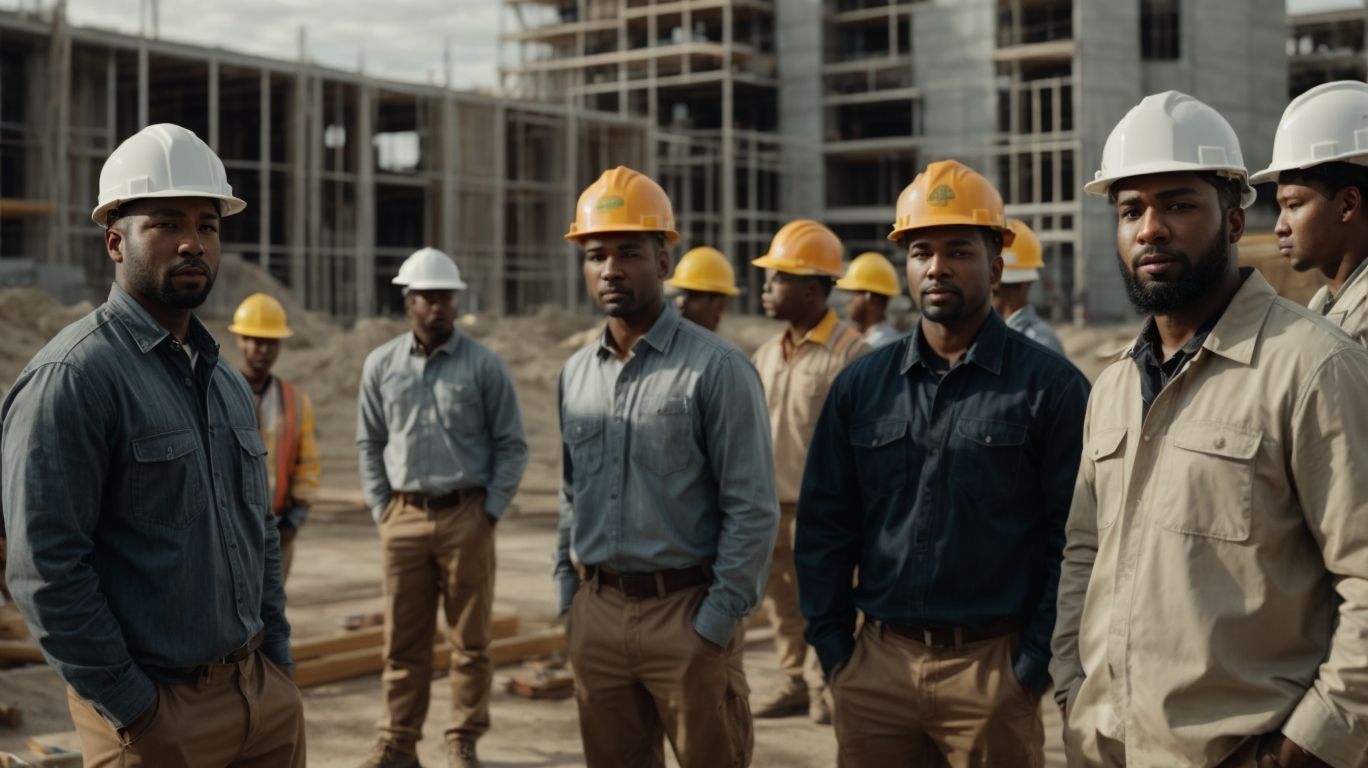
Considering a home remodel project but unsure where to start?
General contractors are the backbone of every successful renovation endeavor. They oversee project management and ensure quality control, playing a crucial role in bringing your vision to life.
This article delves into the importance of general contractors in remodel projects, their roles and responsibilities, how to choose the right contractor for your project, and much more.
Discover why general contractors are the cornerstone of remodeling success by reading on.
Key Takeaways:
The Importance of General Contractors in Remodel Projects
General contractors play a pivotal role in remodel projects, overseeing the construction process from inception to completion with a keen eye on quality and efficiency. Successful companies rely on experienced contractors to manage various aspects of the project, ensuring that work is executed according to the highest industry standards.
General contractors are responsible for coordinating and supervising all construction activities, working closely with architects, engineers, and subcontractors to ensure seamless progress. They must interpret blueprints, secure necessary permits, and adhere to building codes and regulations throughout the project. Managing schedules, budgets, and resources efficiently is crucial to meet deadlines and deliver within budget constraints. Contractors must maintain a safe working environment, addressing any issues promptly to prevent accidents and delays.
Roles and Responsibilities of General Contractors
General contractors shoulder a myriad of roles and responsibilities in construction projects, from coordinating work schedules to managing project budgets and ensuring adherence to safety regulations. With the aid of advanced technology, contractors streamline communication with clients and project teams, fostering a collaborative and efficient work environment.
One of the key responsibilities of general contractors is to provide effective leadership in managing the diverse workforce involved in a project. This involves overseeing subcontractors, tradespeople, and other professionals, ensuring that everyone works together harmoniously towards the project’s goals. General contractors play a crucial role in leveraging technology tools such as project management software and Building Information Modeling (BIM) to enhance project efficiency and accuracy.
To maintain client satisfaction, contractors must possess strong interpersonal skills as they serve as the primary point of contact for clients throughout the project lifecycle. They need to communicate project progress, address any concerns or change requests promptly, and ensure that the final deliverables meet or exceed the client’s expectations. Building strong relationships with clients is essential for repeat business and positive referrals within the industry.
How to Choose the Right General Contractor for Your Project
Selecting the ideal general contractor for your project involves a meticulous vetting process that considers factors such as the contractor’s experience, project quality, and adherence to safety standards. Evaluating a contractor’s past work and visiting construction sites can provide valuable insights into their expertise and professionalism.
When researching potential general contractors, company reputation emerges as a critical aspect. A reputable contractor will typically have positive reviews, testimonials, and a strong portfolio showcasing successful projects. It’s essential to delve into their qualifications, certifications, and affiliations to ensure they meet industry standards.
Assessing their construction processes is key; understanding how they manage timelines, budgets, and resources can determine the project’s success. On-site evaluations are equally crucial; observing their team’s efficiency, safety protocols, and overall project management can help in making an informed decision.
Benefits of Hiring a General Contractor
Hiring a general contractor offers numerous benefits, including streamlined project management, access to skilled workers, and enhanced quality control throughout the construction process. Utilizing construction software and advanced tools, contractors optimize project workflows, ensuring timely completion and client satisfaction.
By entrusting your construction project to a general contractor, you benefit from their extensive network of subcontractors and suppliers, resulting in cost savings and efficient resource allocation. The expertise and experience that contractors bring to the table play a crucial role in problem-solving and decision-making, minimizing delays and ensuring project timelines. Their proficiency in navigating local regulations and building codes ensures compliance, mitigating risks and liability for the client.
Cost Considerations When Hiring a General Contractor
When budgeting for a construction project, it is essential to factor in the costs associated with hiring a general contractor, including materials, labor, project management fees, and potential risks. Effective risk management strategies and transparent communication with the contractor can help mitigate cost overruns and delays.
One of the critical aspects influencing financial considerations in engaging a general contractor is the cost breakdown. Material expenses account for a substantial portion of the budget, encompassing items such as lumber, concrete, and fixtures. Labor costs are another significant component, covering wages, benefits, and subcontractor expenses. Project management fees, which typically range from 10-20% of the total project cost, are crucial for overseeing the construction process efficiently.
Prudent project budgeting is essential to prevent financial surprises. Setting a realistic budget early on, taking into account contingencies and unforeseen expenses, can ensure the project stays on track financially. Assessing the construction materials needed and their costs is vital, as high-quality materials often come with a premium but can enhance the durability and aesthetics of the final structure.
Understanding Contracts and Agreements with General Contractors
Establishing clear contracts and agreements with general contractors is crucial for defining project expectations, timelines, and deliverables.
The client-contractor relationship forms the foundation of successful construction projects, recognizing the unsung heroes who work tirelessly behind the scenes to bring visions to life. Clear expectations outlined in contracts help mitigate misunderstandings, cost overruns, and delays, setting a solid framework for project execution. Project site workers, from skilled laborers to project managers, play a pivotal role in translating blueprints into tangible structures. Their dedication, expertise, and attention to detail are the driving force behind the successful completion of construction projects.
Communication and Collaboration with General Contractors
Effective communication and collaboration are the cornerstones of successful construction projects, fostering alignment on project goals, timelines, and quality standards. Leading companies prioritize open dialogue within the construction team, ensuring that all members work cohesively towards achieving project success.
By establishing a clear channel for discussions and feedback, team members can freely address challenges, share insights, and collectively problem-solve, enhancing productivity and efficiency.
When all stakeholders are involved in the decision-making process, issues are addressed promptly, and innovative solutions can be implemented effectively, leading to higher client satisfaction and project outcomes.
Embracing best practices in communication also involves utilizing modern technology tools, facilitating real-time updates, document sharing, and streamlined communication flows, ultimately reducing errors and delays in project execution.
Project Management and Timelines with General Contractors
Efficient project management and adherence to timelines are vital components of successful construction endeavors, with general contractors overseeing work safety protocols, equipment utilization, and project timelines. By implementing robust construction management strategies, contractors ensure project milestones are met timely and within budget.
One crucial aspect of project management in construction is safety measures implementation. This includes ensuring that workers adhere to safety protocols, wearing appropriate protective gear, and following industry standards to prevent workplace accidents. Equipment management is equally important, as proper utilization of tools and machinery increases efficiency and productivity on-site. In addition, staying on track with the project’s timeline is essential to avoid costly delays and maintain client satisfaction. General contractors play a pivotal role in coordinating all these elements to orchestrate a successful construction project.
Quality Control and Inspections in Remodel Projects
Maintaining rigorous quality control standards and conducting regular inspections are essential facets of successful remodel projects, ensuring that work meets industry benchmarks and adheres to project schedules. Joint contracts and collaborative project management efforts facilitate efficient communication and status updates throughout construction endeavors.
“
Quality control measures play a crucial role in preventing costly rework and ensuring client satisfaction. By implementing detailed inspection protocols, construction teams can identify potential issues early on, minimizing delays and budget overruns.
- Construction schedules are meticulously managed to optimize efficiency and resource allocation.
- Collaborative agreements among stakeholders help streamline decision-making processes and resolve conflicts promptly.
- Effective project management practices involve closely monitoring project status, addressing any deviations from the original plan promptly.
With these measures in place, remodel projects are more likely to be completed successfully within budget and time constraints.
Common Challenges Faced by General Contractors
General contractors encounter a range of challenges in their daily operations, from meeting project goals amidst tight timelines to ensuring the health and safety of skilled workers through regular medical exams. Managing equipment, labor shortages, and evolving project requirements are common hurdles faced by construction professionals.
One critical aspect that general contractors must always prioritize is adhering to safety protocols to mitigate risks on site and ensure a secure working environment. Balancing the immediate demands of project deadlines with the long-term benefits of comprehensive workforce management can be daunting. Effectively navigating these operational constraints requires a keen eye for detail and proactive communication across all levels of the project team. Incorporating technology for equipment management can streamline processes and minimize downtime, contributing to increased efficiency and cost-effectiveness.
Legal and Insurance Aspects of Working with General Contractors
Navigating the legal and insurance landscape is critical for both clients and general contractors, ensuring workplace safety compliance, optimal project performance, and comprehensive coverage for unforeseen contingencies. Prior work experience, attention to construction materials, and the use of advanced construction software bolster contractor preparedness in legal matters.
Understanding the legal requirements that govern construction projects is paramount in securing successful outcomes.
Project performance hinges not only on the quality of work but also on adherence to safety regulations and industry standards. Experienced contractors draw on their knowledge to select suitable materials that align with project specifications and ensure longevity. Utilizing cutting-edge software applications streamlines project management, facilitating efficient communication and decision-making processes. Comprehensive insurance coverage safeguards against unexpected events, offering financial protection and peace of mind throughout the construction lifecycle.
Innovations and Trends in the General Contracting Industry
The general contracting industry is witnessing a surge in innovations and trends, ranging from enhanced project safety protocols and specialized construction insurance products to cutting-edge technologies that streamline workflows. Staying abreast of industry trends is crucial for contractors looking to optimize project efficiency and deliver exceptional results.
One of the key safety enhancements revolutionizing project sites is the implementation of advanced wearable technology, such as smart helmets and vests embedded with real-time monitoring sensors. These devices not only enhance worker safety by providing instant alerts for potential hazards but also collect valuable data for risk assessments and continuous improvement.
The evolution of insurance solutions in the construction sector has seen a shift towards more flexible and customized policies that cater to specific project requirements. From wrap-up policies that cover multiple stakeholders to performance-based insurance, contractors now have access to a diverse range of risk mitigation options.
Case Studies: Successful Remodel Projects with General Contractors
Exploring case studies of successful remodel projects executed by general contractors offers valuable insights into effective risk management strategies, client-contractor collaborations, and the essential efforts of unsung heroes behind project achievements. These real-world examples showcase the impact of skilled contractors in delivering exceptional results.
One noteworthy case study involved a major renovation project in a bustling urban area, where the general contractor faced numerous challenges, from tight timelines to unexpected structural issues.
The risk management strategy employed by the project team involved conducting a thorough initial assessment, identifying potential risks, and developing contingency plans to address any unforeseen obstacles that might arise.
Through regular communication and transparent collaboration with the client, the contractor fostered a strong client-partner relationship built on trust and mutual respect, ensuring that the project ran smoothly despite the complexities involved.
Customer Satisfaction and Reviews of General Contractors
Customer satisfaction and reviews are paramount indicators of a general contractor’s performance and reliability, reflecting the seamless execution of construction projects, adherence to regulatory standards, and the successful completion of challenging construction endeavors. Validating contractor licenses, project site assessments, and construction process evaluations are essential for informed client decision-making.
Customer satisfaction metrics play a vital role in gauging the overall effectiveness of a general contractor throughout a construction project. By monitoring reviews and feedback, clients gain insights into the contractor’s ability to meet expectations, resolve issues promptly, and deliver quality results.
Project site evaluations provide crucial data on safety protocols, workmanship quality, and adherence to project specifications, ensuring that the construction process aligns with regulatory requirements and standards.
License verifications offer clients assurance that the contractor holds the necessary credentials and qualifications to undertake the project successfully.
Networking and Building Relationships with General Contractors
Building strong networks and fostering relationships with general contractors are essential components of achieving construction project goals, fostering collaborations with successful companies and leveraging the expertise of construction teams and management professionals. Nurturing these partnerships is instrumental in delivering projects on time and within budget.
Effective networking and relationship-building play a crucial role in the construction industry, serving as the foundation for successful project delivery. By establishing strong connections with general contractors, construction firms can tap into a vast pool of resources, knowledge, and opportunities. This collaborative effort not only ensures that project objectives are met but also fosters a positive working environment where innovation and problem-solving thrive.
Partnering with reputable companies can offer valuable insights and best practices that can be implemented to optimize construction team dynamics. By aligning with industry leaders and like-minded entities, construction professionals can enhance their strategies, improve project efficiency, and ultimately achieve higher levels of success.
Sustainability and Green Practices in General Contracting
Embracing sustainability and green practices in general contracting involves prioritizing work safety, utilizing eco-friendly construction site equipment, and implementing innovative solutions like sustainable retaining wall construction to enhance project timelines and reduce environmental impact. By integrating green practices, contractors contribute to a more sustainable construction industry.
One crucial aspect of integrating sustainability into general contracting is the implementation of stringent safety initiatives. This includes conducting regular safety audits, providing comprehensive safety training to all workers, and maintaining proper safety protocols on-site to ensure a secure working environment. Employing eco-friendly equipment not only reduces carbon footprint but also enhances efficiency and minimizes environmental harm during construction processes.
- Specialized construction techniques such as modular construction and prefabrication can significantly improve project timeline efficiencies.
- By embracing innovative green building methods, contractors can adopt practices like passive solar design, green roofing solutions, and efficient water management systems, further promoting sustainability within the industry.
Professional Development and Training for General Contractors
Continuous professional development and training are vital components of enhancing general contractor skills and capabilities, ensuring proficiency in construction scheduling, collaborative contract management, and effective project status monitoring. Investing in training programs and skill-enhancement initiatives is key to maintaining high project management standards.
By staying current with the latest trends and technologies in the construction industry, contractors can adapt to evolving project requirements, foster better client relationships, and increase overall job efficiency.
Through specialized courses or workshops, general contractors can deepen their understanding of industry-standard practices, refine their negotiation skills for collaborative agreements, and fine-tune their project management methodologies to ensure successful project completion within budget and ahead of schedule.
Regulatory Compliance and Safety Measures in Remodel Projects
Adhering to regulatory compliance and implementing stringent safety measures are paramount in remodel projects, safeguarding project goals, prioritizing regular medical exams for workers, optimizing equipment utilization, and ensuring the competence of skilled labor. Compliance with safety protocols and industry regulations is integral to project success.
Regulatory compliance plays a vital role in ensuring that remodel projects adhere to legal standards and best practices, reducing risks and liabilities.
Worker health assessments not only promote a safe working environment but also enhance overall productivity and morale.
Similarly, following equipment safety standards not only protects workers from accidents but also prolongs the lifespan of valuable machinery, contributing to cost-efficiency and project timelines.
Effective management of skilled labor is crucial to project efficiency, quality outcomes, and client satisfaction.
Future Outlook for General Contractors in the Construction Industry
The future outlook for general contractors in the construction industry is shaped by evolving project safety standards, advancements in construction insurance offerings, and emerging industry trends that prioritize sustainability and technological integration. Embracing these developments positions contractors for success in a dynamic and competitive market.
One of the key anticipated trends in the construction sector revolves around the enhancement of safety protocols, with a strong emphasis on accident prevention and risk mitigation. General contractors are increasingly investing in training programs and cutting-edge technologies to ensure the well-being of workers on-site.
The evolution of insurance solutions tailored specifically for construction projects is reshaping how contractors manage risks and liabilities. Innovations such as parametric insurance and integrated coverage packages are gaining traction, providing more comprehensive protection.
Industry-wide advancements are paving the way for streamlined project management, increased productivity, and sustainable construction practices. From digital tools for project visualization to the adoption of eco-friendly materials, contractors are embracing change to stay ahead in the competitive landscape.
Conclusion: General Contractors as the Cornerstone of Remodeling Success
General contractors stand out as the cornerstone of remodeling success, blending workplace safety practices, optimal project performance, extensive work experience, and expert handling of construction materials to deliver exceptional outcomes. Their pivotal role in orchestrating remodel projects underscores their essential contribution to the construction industry.
General contractors play a crucial role in ensuring that safety standards are strictly adhered to throughout the construction process, creating a secure environment for all stakeholders involved. Their commitment to project excellence results in the timely completion of remodels with high quality and precision, exceeding client expectations.
With their professional backgrounds and industry experience, general contractors bring a wealth of knowledge to each project, enabling them to navigate challenges efficiently and make informed decisions. Their expertise in handling various construction materials ensures that projects are executed with the right tools and techniques, leading to durable and visually appealing outcomes.
Frequently Asked Questions
What role do general contractors play in a successful remodel project?
General contractors act as the backbone of every successful remodel project. They oversee all aspects of the project, from planning and budgeting to hiring subcontractors and managing timelines. They also ensure that all work is done to code and up to the highest standards.
What should I look for when hiring a general contractor for my remodel project?
When hiring a general contractor, it’s important to look for someone with experience, a good reputation, and proper licensing and insurance. You should also ask for references and examples of their previous work to ensure they are the right fit for your project.
Do I need to hire a general contractor if I have experience with DIY projects?
Even if you have experience with DIY projects, it’s still important to hire a general contractor for a remodel project. They have the knowledge and expertise to handle all aspects of the project and can save you time, money, and stress in the long run.
How do general contractors handle unexpected issues during a remodel project?
General contractors are equipped to handle unexpected issues that may arise during a remodel project. They have the experience and resources to quickly address and resolve any problems, keeping the project on track and within budget.
Are general contractors responsible for obtaining necessary permits for a remodel project?
Yes, general contractors are responsible for obtaining all necessary permits for a remodel project. This ensures that the project is done to code and in compliance with local regulations. It also protects you from any legal or financial issues that may arise.
Can I make changes to the project once it has started?
While it’s always best to plan and finalize all details before the project begins, changes can be made during the process. However, these changes may result in additional costs and a longer timeline, so it’s important to discuss any changes with your general contractor beforehand.

