
The Future of Homes: Trends in Home Remodeling Technology
Home Remodeling for Resale: Which Projects Yield the Best ROI
Historic Charm Meets Modern Comfort: Remodeling Older Homes
Remodeling older homes has become an increasingly popular choice for individuals seeking a distinctive combination of historic charm and modern comfort, blending classic style with contemporary comfort.
Homeowners are often attracted to the unique character and rich stories that these properties embody, while also aiming to improve both functionality and aesthetic appeal.
This article examines the allure of remodeling older homes, discussing the benefits and challenges associated with such projects, as well as the most common types of renovations undertaken, such as kitchen remodels and bathroom upgrades.
Furthermore, it offers recommendations on how to preserve the original charm of these residences while seamlessly incorporating contemporary amenities, thereby achieving an ideal balance in the living space with updated amenities and energy efficiency.
The Appeal of Remodeling Older Homes
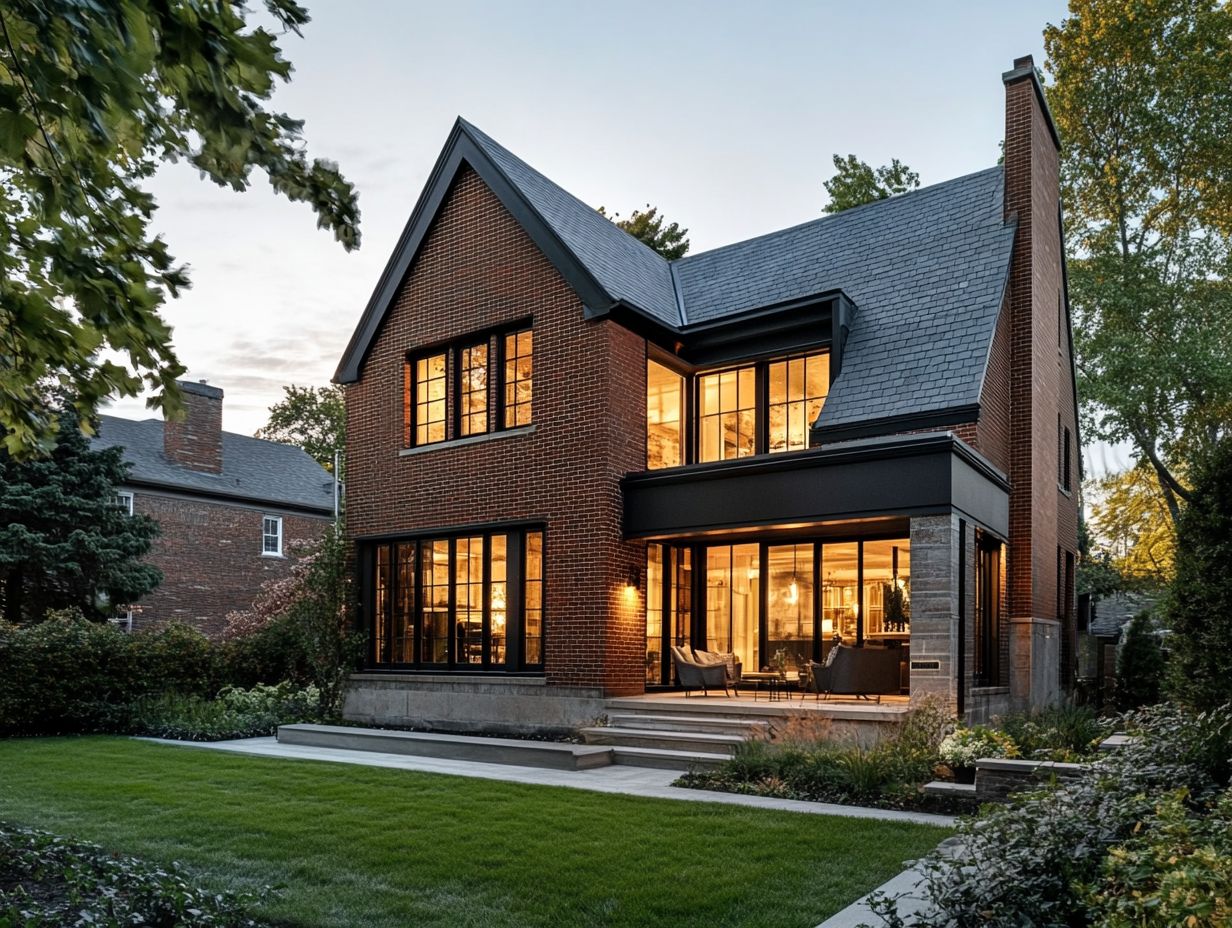
Remodeling older homes presents a distinctive opportunity to merge historic charm with modern comfort, enabling homeowners to uphold the architectural integrity of the property while integrating contemporary amenities.
This process necessitates a careful balance between preserving vintage style and enhancing the property’s curb appeal. As there is a growing emphasis on using sustainable materials and eco-friendly design, an increasing number of homeowners are inclined towards revitalizing historic residences through modern renovation techniques.
The appeal of this endeavor lies not only in the preservation of cultural heritage but also in the creation of family-friendly environments that adapt to modern lifestyle changes, all while ensuring that the home remains both functional and aesthetically pleasing, enhancing its overall home value.
Why Do People Choose to Remodel Older Homes?
Individuals opt to remodel older homes for a variety of reasons, including a profound appreciation for the historical significance and character inherent in these properties. Homeowners often find appeal in the distinctive architectural styles and craftsmanship, as well as the vintage decor, that characterize these residences, motivating them to preserve these elements while updating them to meet modern living standards.
The motivations for such renovations frequently extend beyond mere aesthetics; they encompass a deep emotional connection to the narratives these homes embody and the communities they help define. Many individuals are attracted to the concept of maintaining architectural diversity and architectural charm, recognizing that it enhances their neighborhoods and fosters a sense of belonging.
By thoughtfully integrating historical elements with contemporary innovations, homeowners create spaces that honor the past while accommodating modern lifestyles. Ultimately, these renovations serve as a bridge between history and modernity, providing practical benefits such as improved energy efficiency and enhanced home functionality, as well as emotional satisfaction derived from preserving a tangible aspect of the community’s heritage.
What Are the Benefits of Remodeling an Older Home?
Remodeling an older home presents numerous advantages, including improved energy efficiency, the integration of modern amenities, and the opportunity for historical preservation, all of which can significantly enhance property value. Homeowners have the ability to create functional spaces that accommodate contemporary lifestyles, including cozy interiors and architectural details, while preserving the distinctive charm of their residences.
By upgrading insulation, installing energy-efficient windows, and incorporating smart home technology, these renovations not only help to lower utility expenses but also contribute to a more sustainable living environment. Modern design elements can effectively complement traditional architecture, ensuring that essential functionality is prioritized without compromising aesthetic appeal, blending both traditional elements and modern conveniences.
As property values increase as a result of these thoughtful updates, residents benefit from a revitalized living experience and may also realize financial gains in the real estate market. Therefore, the remodeling of older homes represents a dual investment in both personal comfort and long-term property value, supporting the real estate market and enhancing resale potential.
What Are the Challenges of Remodeling Older Homes?
Remodeling older homes involves a variety of challenges that homeowners must effectively address, including the management of outdated systems and materials, as well as compliance with contemporary building codes and zoning regulations.
The distinctive architectural characteristics of historic homes often necessitate specialized restoration techniques, which can further complicate the remodeling process.
1. Dealing with Outdated Systems and Materials
One of the primary challenges associated with remodeling older homes is the necessity to address outdated systems, such as aging plumbing and electrical wiring, which may not comply with current standards. Homeowners frequently confront the need for significant upgrades to ensure both safety and functionality within their living spaces.
Neglecting to address these issues can result in a multitude of problems, including leaking pipes, inadequate water pressure, and potential fire hazards stemming from deteriorating electrical systems.
Conducting thorough assessments of the existing infrastructure is essential, as these conditions can significantly impact the overall renovation process and final budget. A meticulously planned renovation budget should incorporate essential modern upgrades, ensuring that the home not only achieves an aesthetically pleasing appearance but also operates efficiently.
In the absence of careful financial planning, homeowners risk underestimating the costs associated with updating these critical systems, which may lead to unexpected expenses and complications in the future.
2. Working with Unique Architectural Features
Older homes frequently exhibit unique architectural features that enhance their historic charm; however, these elements can also pose challenges during the remodeling process. Homeowners must thoughtfully consider how to preserve the craftsmanship while achieving design cohesion with modern upgrades.
It is essential to recognize the intrinsic value of these distinctive characteristics, as they narrate the story of the home’s legacy. To achieve a harmonious balance, one effective approach involves employing complementary modern designs that enhance rather than overshadow the original elements.
For example, incorporating sleek lines or contemporary finishes can elevate a historic space while still allowing its unique features to remain prominent.
Blending materials, such as pairing vintage wood with contemporary metal accents, can facilitate a seamless transition between different eras. Engaging with architects and designers who specialize in historic renovations can provide invaluable insights, ensuring that the home retains its integrity while adapting to contemporary living standards.
3. Meeting Modern Building Codes
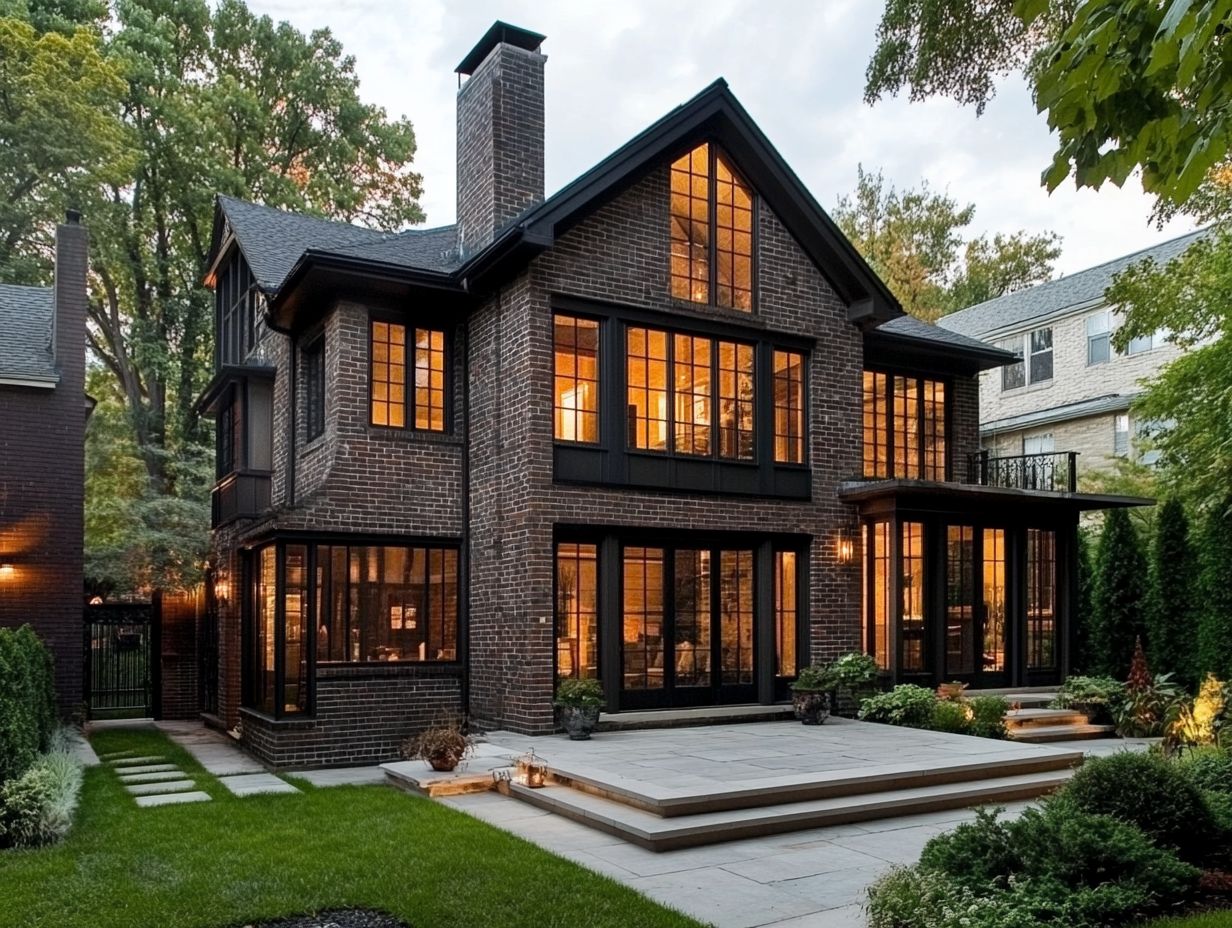
Ensuring compliance with contemporary building codes and zoning regulations presents a significant challenge in the remodeling of older homes. Adhering to these requirements is essential for maintaining safety standards and can profoundly influence both the renovation timeline and budget.
Navigating these codes can be particularly complex, as they often differ not only by geographic location but also by the specific nature of the renovation project. Common compliance challenges include meeting updated electrical standards, ensuring structural integrity, and accommodating accessibility features.
Non-compliance may result in substantial fines or, in extreme cases, the mandatory demolition of structures deemed non-compliant.
A thorough understanding of zoning regulations is imperative, as these regulations dictate the permissible modifications and significantly influence decisions regarding extensions, exterior alterations, or landscaping. Such considerations not only define the scope of the project but may also extend its timeline due to the requisite approvals and inspections.
This underscores the necessity for meticulous planning and research prior to commencing any remodeling endeavor.
What Are the Most Common Renovations for Older Homes?
Common renovations for older homes often encompass kitchen remodeling, bathroom updates, and the reconfiguration of living spaces to better accommodate contemporary lifestyles.
These improvements not only enhance the functionality of the residence but also significantly contribute to its overall aesthetic appeal.
1. Kitchen and Bathroom Updates
Kitchen and bathroom updates rank among the highest priorities for homeowners undertaking renovations of older residences, as these areas frequently require modern amenities and enhanced functionality. The integration of contemporary design trends with vintage fixtures can produce an ideal combination of style and comfort.
Homeowners often discover that these updates not only elevate the aesthetic appeal of their spaces but also significantly increase the overall property value.
Current design trends in kitchens feature open-concept layouts that optimize space and natural light, as well as the incorporation of bold colors or sleek cabinetry that contrasts with traditional tile work.
In the realm of bathrooms, the emergence of spa-like retreats, including freestanding tubs and rainfall showers, is increasingly popular, placing a premium on luxurious relaxation.
Achieving a harmonious balance between modern conveniences—such as energy-efficient appliances and smart technology—and the charm of vintage elements, including original hardwood floors or antique sconces, ensures that these essential areas remain functional while preserving their unique character.
2. Adding or Updating Living Spaces
Updating living spaces is essential for establishing family-friendly environments that align with contemporary needs. Homeowners frequently pursue innovative layouts that optimize space while ensuring inviting interiors that enhance both comfort and livability. Embracing modern renovation techniques and incorporating design trends can significantly elevate the aesthetic appeal of these spaces.
This transformation typically involves reassessing the flow of rooms, merging spaces to facilitate family interaction, and incorporating multifunctional furniture that accommodates various activities. Such remodeling efforts often highlight architectural charm and vintage decor, ensuring a seamless blend of classic style and contemporary comfort.
An open-concept design effectively integrates the kitchen, dining area, and living room, creating a spacious atmosphere ideal for gatherings. Factors such as ample natural light, warm color palettes, and comfortable furnishings significantly contribute to fostering a welcoming ambiance. Additionally, the incorporation of updated amenities and sustainable materials enhances the overall home functionality and aesthetic harmony.
By prioritizing these innovative layouts, homeowners can revitalize older homes and create functional spaces that resonate with modern lifestyles, ultimately promoting stronger family connections.
3. Reconfiguring Floor Plans
Reconfiguring floor plans enables homeowners to establish open layouts that enhance design functionality and accommodate evolving lifestyles. This approach typically involves innovative solutions aimed at maximizing space and integrating creative storage options. Such home improvement projects can involve adaptive reuse of existing structures and the inclusion of energy-efficient appliances to support modern living.
The transition to open layouts not only fosters a more inviting atmosphere but also promotes versatility in the utilization of spaces. By removing unnecessary walls, homeowners can benefit from improved natural light flow and enhanced sightlines, which create an impression of larger and more interconnected areas.
With an emphasis on integrated living spaces, there is a growing focus on incorporating functional elements such as multifunctional furniture and built-in storage solutions. These features assist in maintaining organization and reducing clutter.
These contemporary adaptations facilitate a seamless blend of style and practicality, accommodating everyday life while supporting a variety of activities, from family gatherings to remote work. Ultimately, this approach contributes to a more harmonious living environment.
How to Preserve the Historic Charm of an Older Home
Preserving the historic charm of an older home is crucial for maintaining its character and aesthetic integrity while accommodating necessary modern updates.
Effective strategies for achieving this balance include:
- Restoring original features
- Selecting materials that are appropriate for the period
- Thoughtfully integrating modern amenities
1. Restoring Original Features

Restoring original features is a crucial aspect of preserving the historical significance of older homes, reflecting the craftsmanship that defines their architectural styles. This process requires careful attention to detail and a thorough understanding of the unique characteristics of each home.
By meticulously reintegrating elements such as ornate moldings, vintage hardware, and period-appropriate windows, homeowners can revitalize these residences while honoring their historical legacy.
Each restoration effort not only accentuates the beauty of specific architectural styles—whether Victorian, Colonial, or Arts and Crafts—but also conveys the narrative of the community and craftsmanship that produced them.
Emphasizing these original details not only enhances aesthetic appeal but also contributes valuable historical context, thereby enriching the property’s overall character and potentially increasing its market value. Restoration efforts that incorporate period details and vintage fixtures can greatly enhance the interior design and boost resale potential.
2. Choosing Period-appropriate Materials
Selecting materials that are appropriate for the period is essential for preserving the integrity and vintage style of an older home, while also ensuring that renovations are sustainable. This approach supports historical preservation and promotes design harmony throughout the living space.
By choosing materials that reflect the era of the property, homeowners can cultivate an authentic environment that embodies character and charm. Such decisions often involve utilizing locally sourced, reclaimed, or repurposed items, which significantly contribute to reducing waste and minimizing environmental impact.
This commitment to sustainability enhances the remodeling process, allowing individuals to highlight the elegance of vintage design while advocating for responsible practices.
Ultimately, the integration of these materials not only enhances the aesthetic appeal but also preserves the narrative of the home’s architectural heritage, inviting future generations to appreciate its history. The careful selection of building materials and preservation of historical architecture uphold the home’s story and contribute to its real estate market value.
3. Incorporating Modern Amenities
Incorporating modern amenities into older homes is crucial for enhancing both comfort and design functionality. Features such as smart home technology and energy-efficient options offer a contemporary lifestyle while honoring the architectural integrity of the home.
By seamlessly integrating these innovations with traditional structures, homeowners can achieve greater control over their living environments, thereby improving their overall quality of life. For example, smart thermostats can optimize heating and cooling based on real-time usage patterns, which promotes energy efficiency and reduces utility expenses. The thoughtful integration of these modern conveniences ensures that historic districts maintain their charm while embracing technological advancements.
Furthermore, the addition of features such as smart lighting, security systems, and upgraded insulation not only enhances convenience but also increases the property’s value. These improvements create a harmonious balance between modern comforts and the nostalgic charm of older homes, ultimately rendering them more enjoyable and functional for contemporary living.
Finding the Right Balance Between Charm and Comfort
Achieving the appropriate balance between historic charm and modern comfort is essential for successful home remodeling. Homeowners must engage with an experienced contractor or designer who possesses a thorough understanding of the intricacies associated with older homes, while also taking into account the aesthetics of the neighborhood and the lifestyle requirements of the residents.
1. Working with an Experienced Contractor or Designer
Engaging an experienced contractor or designer is imperative when navigating the complexities of the remodeling process in older homes. Their design expertise ensures that the principles of historical preservation are upheld throughout the project. Effective project management and understanding of zoning regulations are crucial for maintaining safety standards and achieving the desired design balance between historic and modern elements.
These professionals bring extensive knowledge of period-appropriate materials and techniques, as well as a comprehensive understanding of local building codes and regulations that may affect renovation plans. Their project management skills facilitate effective communication among various tradespeople, ensuring that all aspects of the remodeling process are coordinated seamlessly.
Collaborating with experts give the power tos homeowners to make informed decisions that reflect both aesthetic appeal and historical integrity, ultimately enhancing the property’s value. The careful balance they achieve between modern functionality and traditional charm results in living spaces that are not only visually striking but also respectful of the past.
2. Considering the Neighborhood and Surrounding Homes
Considering the neighborhood and surrounding homes is essential in the remodeling process, as it ensures community appeal and respects local architectural styles. Homeowners should strive for design harmony that complements the existing character of the area.
The impact of thoughtful design choices extends beyond individual properties, fostering a sense of unity and identity within the community. By reflecting the architectural heritage and nuances of nearby homes, residents contribute to a cohesive visual narrative that enhances overall property values.
It is important for individuals undertaking remodeling projects to take the time to observe existing structures and understand prevalent themes, such as rooflines, materials, and color palettes, before making significant alterations. This attention to detail not only provides aesthetic benefits but also strengthens neighborhood ties, as well-designed homes often become sources of pride for both the owners and their neighbors.
3. Prioritizing Functionality and Comfort
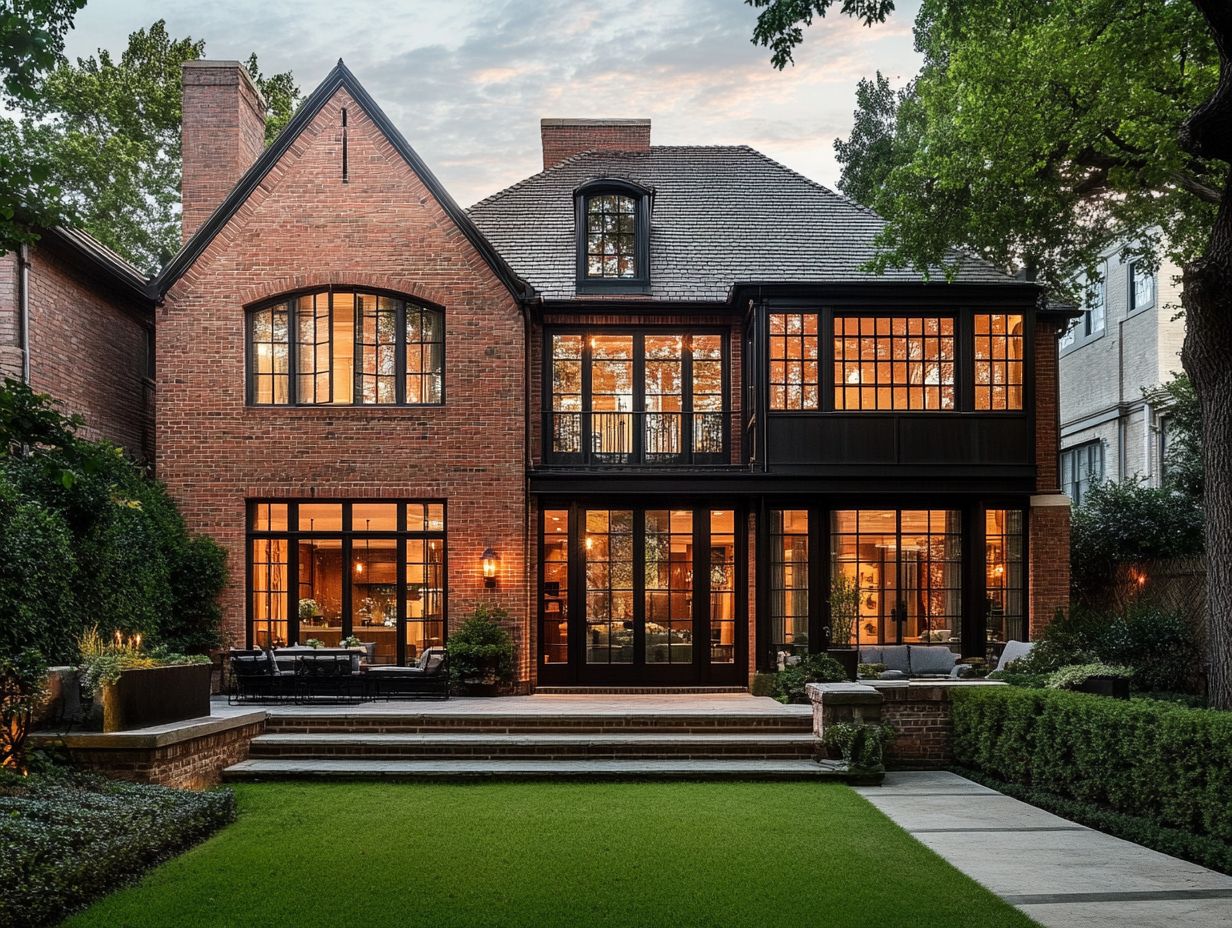
Prioritizing functionality and comfort during the remodeling process is essential for creating living spaces that meet the needs of families. Homeowners should concentrate on design trends that enhance comfortable living while incorporating innovative layouts to optimize space.
This approach not only cultivates a welcoming atmosphere but also ensures that every area serves a specific purpose, making it particularly suitable for busy households. The incorporation of multifunctional furniture can effectively streamline spaces while preserving aesthetic appeal. Prioritizing functional spaces and luxury finishes ensures that the interior layout meets both family-friendly design and aesthetic harmony needs.
Embracing open floor plans promotes family interaction and allows natural light to illuminate the home, thereby enhancing overall well-being.
By integrating modern storage solutions and adaptable areas for play and relaxation, homeowners can create environments that evolve as families grow and change, transforming the home into a truly functional refuge for all generations.
Frequently Asked Questions
What is the process for remodeling an older home?
The process for remodeling an older home includes first assessing the state of the home, creating a design plan, obtaining necessary permits, and then beginning the renovation. It is important to work with a professional contractor to ensure the safety and structural integrity of the home is maintained. Consideration of construction techniques, zoning laws, and building codes is essential to ensure compliance and successful completion of the renovation timeline.
Can I maintain the historic charm of my older home while still updating it for modern comfort?
Absolutely! With careful planning and design, you can maintain the unique details and architectural charm of your older home while incorporating modern amenities such as updated plumbing, electrical systems, and energy-efficient features. It is important to work with a contractor who specializes in home improvement and remodeling older homes to ensure the preservation of its historical architecture and vintage decor.
Is it more expensive to undertake a modern renovation of an older home compared to a newer one?
The renovation budget for remodeling an older home can vary depending on the extent of the renovation and the condition of the home. However, in general, it can be more expensive to remodel an older home due to the potential need for specialized contractors and the preservation of period details. It is important to budget accordingly and discuss any potential cost differences with your contractor to ensure a balance between cost-effective upgrades and luxury finishes.
How can I ensure my older home is up to modern building codes and safety standards during the remodeling process?
Working with a professional contractor who is well-versed in local building codes and zoning regulations is crucial for remodeling an older home. They will be able to identify any potential code violations and ensure the necessary updates, including insulation and energy-efficient appliances, are made to bring the home up to current safety standards.
Can I make changes to the interior layout of my older home during the remodeling process?
Yes, you can make changes to the interior layout of your older home during the remodeling process. However, it is important to consult with a professional contractor to ensure that any changes are structurally sound and will not compromise the historic integrity or original features of the home. Consider incorporating open floor plans and functional spaces that enhance both traditional elements and contemporary comfort.
How can I incorporate modern technology and interior design into my older home during the remodeling process?
There are many ways to incorporate modern technology and interior design into your older home during the remodeling process. This can include adding smart home technology, energy-efficient appliances, and incorporating design elements like vintage fixtures and color palettes that complement the historic charm of your home. You might also consider a kitchen remodel or bathroom upgrade to enhance both aesthetic appeal and home functionality. Working with a contractor who specializes in remodeling older homes can help you make the best decisions for your specific home, ensuring a seamless blend of contemporary design trends with heritage preservation.