
Historic Charm Meets Modern Comfort: Remodeling Older Homes
Wellness-Focused Home Remodeling: Creating Healthy Spaces
Home Remodeling for Resale: Which Projects Yield the Best ROI
Considering the sale of your home? Engaging in home remodeling can serve as a strategic approach to enhance your property’s value and attractiveness to prospective buyers.
This article examines the most effective remodeling projects for resale, including kitchen and bathroom upgrades, as well as the incorporation of energy-efficient features.
Additionally, it addresses the average return on investment (ROI) for these projects, the factors that influence ROI, and essential guidelines to optimize your efforts.
Prepare to elevate your home into a market-ready masterpiece.
Why Should You Consider Home Remodeling for Resale?
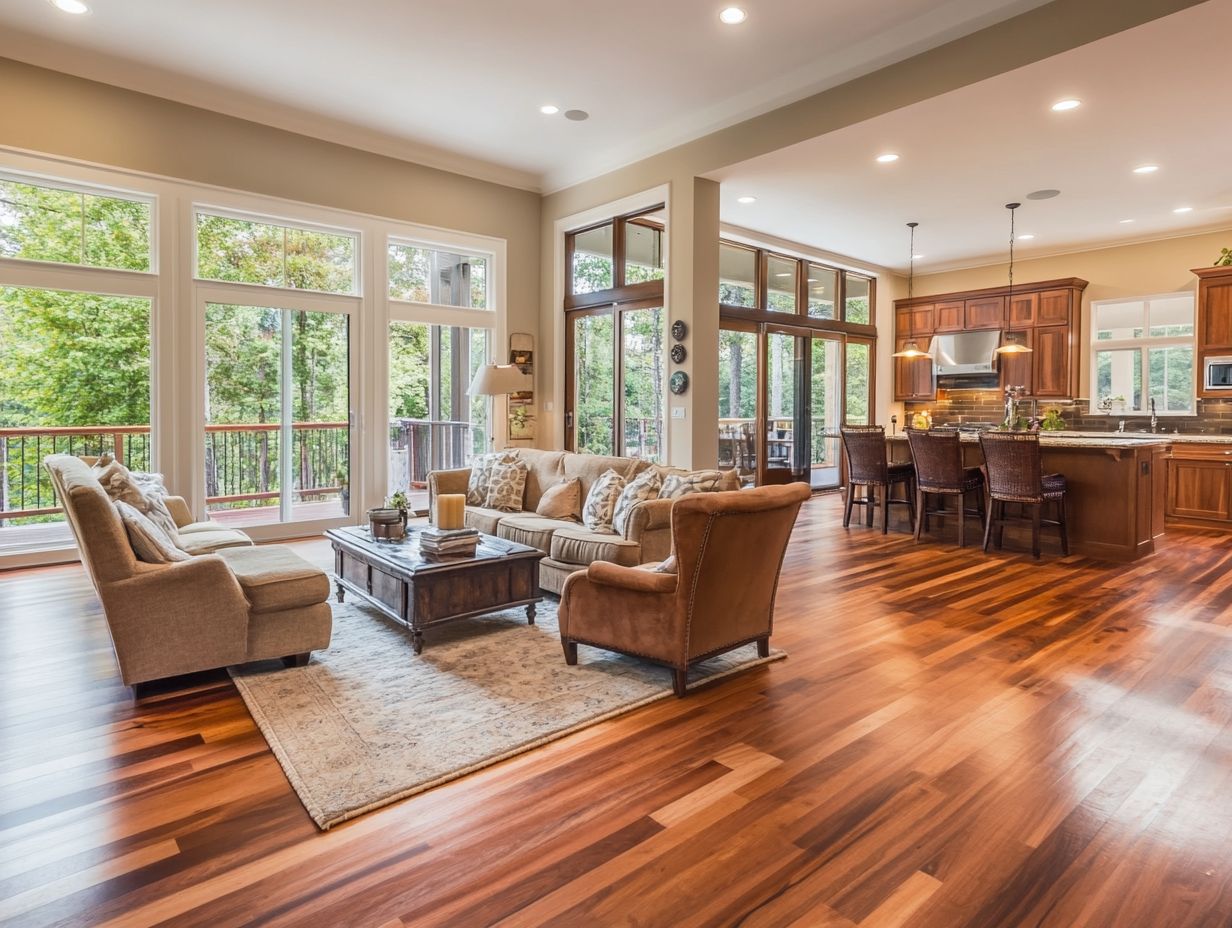
Home remodeling has the potential to substantially increase a property’s resale value, positioning it as a strategic investment for homeowners aiming to maximize their return on investment (ROI) in a competitive real estate market.
By renovating critical areas such as kitchens and bathrooms, homeowners can attract prospective buyers and enhance the overall appeal of the property. Kitchen upgrades and bathroom renovations are particularly popular due to their impact on resale value and return on investment (ROI).
Thoughtfully executed home improvement projects not only elevate the aesthetic value of the residence but also align with prevailing buyer preferences and market trends. Home features such as an open floor plan and energy-efficient appliances are in high demand. Therefore, it is essential to approach remodeling with a focus on profitability and knowledge-based decision making.
What Are the Most Common Home Remodeling Projects for Resale?
When contemplating home remodeling with the intention of resale, it is essential to concentrate on projects that not only enhance curb appeal but also improve the overall functionality of the home, thereby attracting a broader spectrum of potential buyers. This includes considering functional design and strategic improvements to maximize property value.
Notable renovations include:
- Kitchen remodels
- Bathroom upgrades
- Exterior enhancements
- Additions such as outdoor living spaces
- Home expansions
Each of these projects has the potential to significantly elevate property value and attractiveness in a competitive seller’s market. By focusing on home upgrades and value-added renovations, homeowners can secure a competitive advantage in the real estate market.
1. Kitchen Remodeling
Kitchen remodeling is one of the most sought-after home improvement projects, as it enhances both functionality and aesthetic appeal, positioning it as a top priority for many homeowners aiming to increase their property’s resale value. The incorporation of modern fixtures and high-quality kitchen cabinets not only elevates the visual appeal of the space but also aligns with buyer preferences for functional environments.
Homeowners are increasingly favoring open-concept layouts that facilitate a seamless flow between the kitchen and living areas, reflecting current design trends. Additionally, popular materials such as quartz countertops and hardwood flooring enhance the overall appearance while providing durability and ease of maintenance.
Recent statistics indicate that high-quality kitchen remodels can yield a return on investment (ROI) of up to 80%, establishing them as a prudent financial decision for those contemplating a sale. Furthermore, modern appliances and energy-efficient fixtures are highly desirable, significantly enhancing the attractiveness of a remodeled kitchen to potential buyers.
2. Bathroom Remodeling
Bathroom remodeling represents a highly sought-after renovation that can substantially increase a home’s resale value, as it often aligns with contemporary design trends and buyer expectations. Upgrading bathroom fixtures and adopting sustainable remodeling practices not only improves visual appeal but also addresses the preferences of environmentally conscious buyers.
Homeowners often aspire to create a spa-like atmosphere, incorporating modern vanities, rainfall showerheads, and soaking tubs that harmonize luxury with practicality. Popular materials such as quartz countertops and ceramic tiles are becoming increasingly favored due to their durability and stylish aesthetics.
Additionally, implementing innovative storage solutions, including built-in shelving and under-sink cabinets, enhances space efficiency and appeals to potential buyers. Research indicates that a well-executed remodel can recover up to 70% of its cost upon sale.
Thus, these upgrades not only satisfy current market demands but also offer a significant return on investment, making them a prudent decision for homeowners.
3. Exterior Improvements
Exterior improvements are crucial for maximizing curb appeal, which plays a significant role in attracting potential buyers and enhancing property value. Key elements such as landscape design, high-quality painting, and effective home staging can substantially improve the initial impressions of a home, making it more inviting and marketable.
For example, well-maintained shrubs, vibrant flower beds, and a manicured lawn not only create a welcoming atmosphere but also indicate to prospective buyers that the property has been meticulously cared for. Additionally, a fresh coat of paint on the exterior can rejuvenate an outdated appearance, presenting a clean and modern aesthetic. Unique features, such as a stylish front door or strategically placed outdoor lighting, can capture attention and differentiate the home within the neighborhood.
By prioritizing these enhancements, homeowners can create a lasting impression, thereby increasing the likelihood of a swift sale at a higher price. This aligns with smart selling strategies and enhances a property’s competitive edge.
4. Adding a Deck or Patio
Incorporating a deck or patio can create valuable outdoor living spaces that significantly enhance a home’s appeal and resale value, particularly for families and individuals who enjoy entertaining. These improvements not only provide functional areas for relaxation and social gatherings but also serve as attractive features in a competitive real estate market.
When designed with careful consideration, these outdoor spaces can seamlessly extend the living area of the home, catering to the desires of many contemporary homeowners who seek a harmonious indoor-outdoor lifestyle.
Popular designs often include pergolas or awnings, which offer shade while contributing to the overall aesthetic appeal. Utilizing materials such as composite decking or natural stone for patios ensures durability and low maintenance, which is particularly attractive to busy lifestyles.
Additionally, incorporating features like outdoor kitchens or fire pits can transform these spaces into year-round entertainment venues, enhancing the overall lifestyle experience while also promising a higher return on investment when the property is put up for sale.
5. Basement Remodeling
Basement remodeling offers a distinctive opportunity to create functional spaces within a home, which can significantly enhance its overall value and appeal to prospective buyers. By finishing the basement, homeowners can add additional living areas, such as entertainment rooms or guest suites, which can provide a substantial return on investment when executed effectively.
These improvements can be customized to align with current buyer preferences, focusing on open layouts and modern amenities. Incorporating features such as a comfortable home theater, a home gym, or an office space can broaden the potential buyer demographic.
It is crucial to consider cost factors during the remodeling process; prudent budgeting can assist homeowners in achieving maximum return on investment. By selecting durable materials and efficient designs, the upgraded basement can function as a valuable asset for years to come, ultimately enhancing the overall perception of the home.
6. Adding a Bedroom
Adding a bedroom to a residence can significantly enhance both property value and market appeal, particularly in family-oriented neighborhoods where additional space is highly sought after. Whether through a home addition or a room conversion, the creation of an extra bedroom can effectively meet buyer preferences and improve overall functionality.
Such renovations not only accommodate the needs of growing families but also align with current market trends, as properties featuring three or more bedrooms tend to outsell their smaller counterparts by as much as 20%. Recent data indicates that homes with additional bedrooms can expect a return on investment ranging from 60% to 70% upon resale, making this enhancement a financially prudent decision.
When considering design options, homeowners have the opportunity to incorporate en-suite bathrooms or walk-in closets, further increasing attractiveness to potential buyers and elevating the comfort and desirability of the living space.
In summary, adding an extra bedroom is not merely about increasing square footage; it represents a strategic investment in the dynamic real estate market.
7. Installing Energy-Efficient Features
Installing energy-efficient features proves advantageous not only for the environment but also enhances the value of residential properties, aligning with current market trends that emphasize sustainability. Upgrades such as energy-efficient windows, appliances, and insulation can bolster home equity and appeal to environmentally conscious buyers.
According to a study conducted by the National Association of Realtors, 64% of homebuyers are willing to pay a premium for properties that incorporate sustainable features. Energy-efficient upgrades can yield annual energy savings of up to 30%, with innovations such as solar panels demonstrating a notable return on investment.
For example, a homeowner who installed solar panels experienced an increase in property value of approximately $15,000. This illustrates that such enhancements not only reduce utility expenses but also attract buyers who value long-term savings and environmental stewardship.
These home upgrades significantly align with the preferences of contemporary homeowners, thereby enhancing the resale value and making properties more competitive in an active real estate market.
What Is the Average ROI for These Home Remodeling Projects?
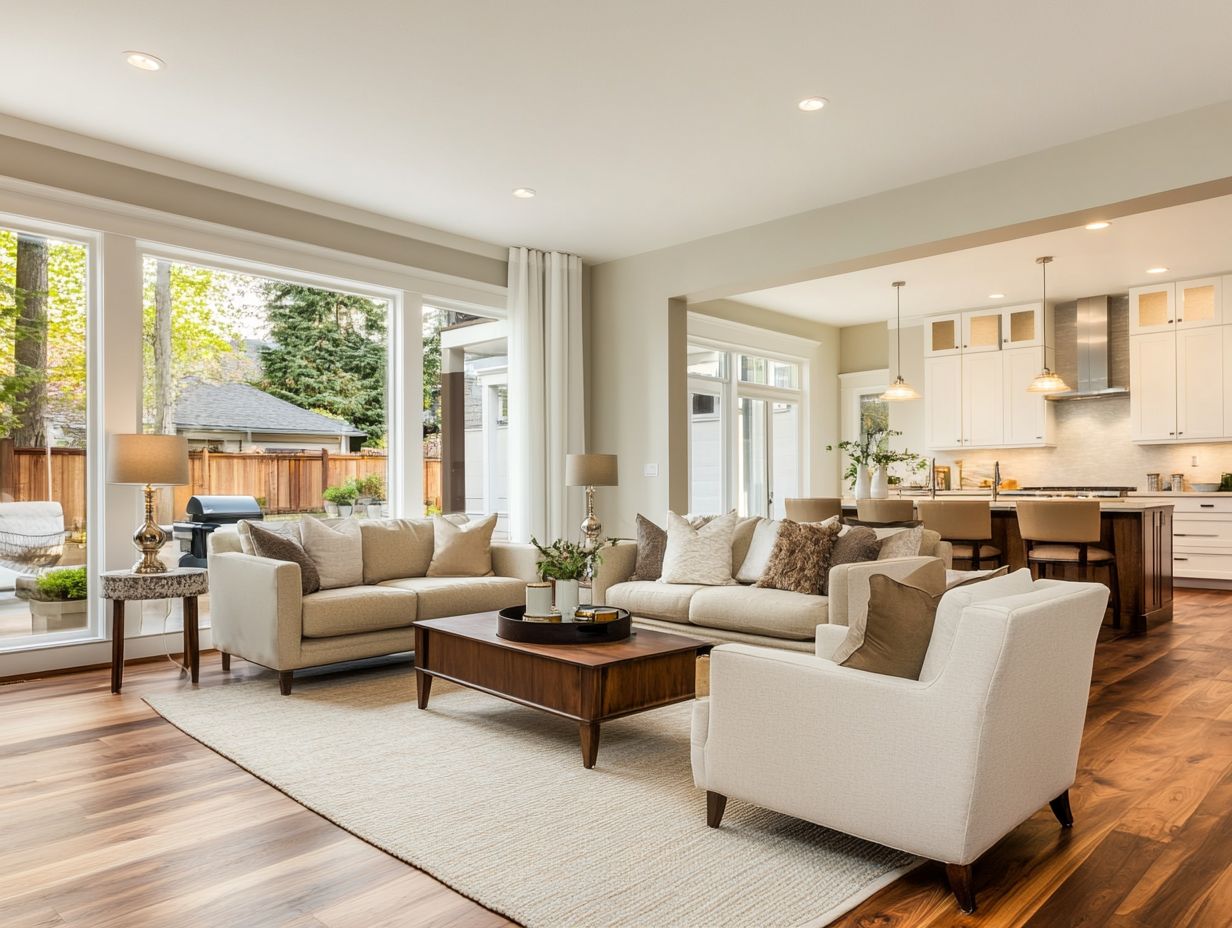
Understanding the average return on investment (ROI) and resale potential for various home remodeling projects is essential for homeowners aiming to optimize their financial return upon reselling their property.
Different renovations produce varying ROI percentages, which are influenced by factors such as project budget, market trends, buyer preferences, and the overall property value.
1. Kitchen Remodeling: 80-85% ROI
A kitchen remodel typically offers an impressive return on investment (ROI) of 80-85%, positioning it as one of the most lucrative home improvement projects for enhancing property value. Homeowners can anticipate recouping a significant portion of their renovation costs through a well-executed kitchen upgrade that aligns with the preferences of potential buyers.
Several factors contribute to this high return on investment. The design choices made during a remodel are critical; for example, selecting modern finishes, energy-efficient appliances, and open floor plans can significantly enhance market appeal.
According to the National Association of REALTORS®, a minor kitchen remodel can yield an ROI of approximately 81%, illustrating that even smaller upgrades can deliver substantial value. Successful remodels often incorporate features such as quartz countertops, custom cabinetry, and modern kitchens, which not only enhance the aesthetic appeal but also align with current market demands.
Statistics indicate that homes with updated kitchens tend to sell more quickly, underscoring the value placed on these spaces by prospective buyers.
2. Bathroom Remodeling: 70-78% ROI
A bathroom renovation presents a compelling return on investment (ROI) of 70-78%, making it a prudent investment for homeowners seeking to enhance the appeal of their property. By emphasizing high-quality finishes and modern fixtures, these renovations can effectively align with buyer preferences and significantly increase resale value.
In the current competitive real estate market, such improvements not only attract potential buyers but also play a crucial role in influencing their purchasing decisions. For example, the inclusion of energy-efficient fixtures can lead to reduced water consumption, thereby appealing to environmentally conscious consumers. Additionally, an open-concept design characterized by sleek lines and contemporary aesthetics aligns with prevailing design trends that prioritize both functionality and comfort.
Home staging can further enhance the appeal of bathroom upgrades, making them look inviting and functional to prospective buyers.
According to the National Association of Realtors, updated bathrooms enable homeowners to recoup a substantial percentage of their remodeling costs, underscoring the consistent preference for such upgrades among both sellers and buyers.
Ultimately, a well-executed bathroom renovation represents a strategic initiative to ensure that the property stands out in listings and generates interest during showings.
3. Exterior Improvements: 75-83% ROI
Investing in exterior improvements can yield a substantial return on investment (ROI) ranging from 75% to 83%, highlighting the critical role of curb appeal in attracting potential buyers. By enhancing the exterior of a residence, homeowners not only improve its visual appeal but also increase its overall property value.
Curb appeal projects like new landscaping, exterior paint, and updated roofing not only enhance the look but also increase the property’s value.
For instance, straightforward upgrades such as fresh paint or new siding can significantly revitalize a property’s facade, rendering it more inviting. Research suggests that well-maintained landscaping can contribute to an increase in home value by as much as 20%.
Maintenance-free landscaping is increasingly popular as it attracts buyers looking for low-maintenance homes.
Additionally, features such as a new front door or upgraded outdoor lighting enhance aesthetics and capture the attention of prospective buyers even before they enter the home. In an increasingly competitive market, these exterior enhancements are strategic investments that not only beautify a property but also create a lasting impression, ultimately driving buyer interest and increasing the potential for sale.
4. Adding a Deck or Patio: 70-80% ROI
The addition of a deck or patio can yield a return on investment (ROI) of 70-80%, making it a highly advantageous option for homeowners seeking to enhance their outdoor living space. These home improvements not only extend the functional space of a residence but also elevate its overall appeal in the real estate market.
Research indicates that properties with outdoor living areas are more likely to attract prospective buyers, particularly in suburban neighborhoods where outdoor entertainment is highly valued. The National Association of Realtors reports that over 50% of buyers prioritize outdoor spaces when selecting a new home.
Outdoor kitchens are a popular feature that can make the space even more appealing.
Listings that incorporate well-designed patios or decks frequently sell more quickly, often by several weeks, as buyers envision summer barbecues and family gatherings.
For example, a homeowner in the Midwest invested $15,000 in a deck addition and subsequently experienced a substantial increase in offers, ultimately selling the property for $30,000 above the asking price. This case exemplifies the tangible financial benefits associated with enhancing outdoor living spaces.
5. Basement Remodeling: 70-75% ROI
Basement finishing generally offers a return on investment (ROI) of 70-75%, highlighting the value added by converting an underutilized space into functional living areas within a home. By transforming such spaces, homeowners can significantly enhance the resale potential of their properties.
Beyond the financial advantages, the design possibilities are extensive, permitting the inclusion of personalized features such as entertainment rooms, home offices, or additional guest bedrooms.
Home automation can be integrated into these spaces to enhance convenience and appeal.
Cost considerations are also pivotal in this process; while initial expenditures may vary depending on materials and design complexity, many homeowners discover that prudent spending can optimize their return. For example, utilizing cost-effective finishes not only helps maintain budgetary constraints but also appeals to potential buyers seeking modern enhancements.
A recent study indicates that homebuyers are often inclined to pay up to 20% more for homes with finished basements, underscoring the substantial impact that well-executed remodeling can have on overall property value.
6. Adding a Bedroom: 50-60% ROI
Adding a bedroom can yield a return on investment (ROI) of 50-60%, making it a viable option for homeowners aiming to enhance their property value. This renovation not only increases living space but also aligns with the preferences of buyers in family-oriented neighborhoods.
Ensuring the new bedroom adheres to zoning laws and building permits can prevent future legal issues and increase buyer confidence.
Design considerations for the additional bedroom are of paramount importance. For instance, incorporating ample natural light and ensuring adequate storage can significantly improve its overall appeal.
Current market demand indicates a growing trend among buyers who prioritize homes with extra bedrooms. Statistics reveal that properties with four or more bedrooms tend to sell for 10-20% more than those with three bedrooms. In thriving areas, this demand is particularly pronounced.
Real estate agents often highlight the advantage of extra bedrooms in listings to appeal to families.
For instance, homes featuring additional bedrooms often attract families in need of more space, which can lead to faster sales and a higher return on investment.
7. Installing Energy-Efficient Features: 80-90% ROI
Energy-efficient features can provide an exceptional return on investment (ROI) of 80-90%, underscoring the increasing demand for sustainable remodeling in the contemporary real estate market. Homeowners can anticipate not only recovering their initial investment through energy savings but also attracting environmentally conscious buyers.
Energy efficiency upgrades such as insulation, double-glazed windows, and high-efficiency HVAC systems are particularly sought after.
Research indicates that properties with energy-efficient upgrades typically command higher selling prices, appealing particularly to buyers who prioritize reduced utility costs and environmental stewardship.
Homes equipped with smart home technology for energy management also attract tech-savvy buyers.
For example, a property equipped with Energy Star-rated appliances may achieve up to 10% greater resale value compared to similar homes that do not include such features.
Furthermore, green certifications and the installation of solar panels not only enhance the marketability of a property but also promote a sense of community among residents who share similar values.
Thus, investing in these upgrades not only benefits the environment but also significantly improves the long-term appeal and competitiveness of the property in the market.
What Factors Affect the ROI of Home Remodeling Projects for Resale?
Numerous factors can significantly influence the return on investment (ROI) of home remodeling projects. Understanding these elements is essential for homeowners who aim to maximize their investment.
Key considerations encompass the quality of the renovation, prevailing market trends, costs associated with the renovation, and alignment with buyer preferences.
|||
Numerous factors can significantly influence the return on investment (ROI) of home remodeling projects. Understanding these elements is essential for homeowners who aim to maximize their investment.
Key considerations encompass the quality of the renovation, prevailing market trends, costs associated with the renovation, alignment with buyer preferences, and the potential impact on the home’s equity.
Numerous factors can significantly influence the return on investment (ROI) of home remodeling projects. Understanding these elements is essential for homeowners who aim to maximize their investment.
Key considerations encompass the quality of the renovation, prevailing market trends, costs associated with the renovation, and alignment with buyer preferences.
1. Location

The location of a property is a crucial factor in determining the return on investment (ROI) of remodeling projects, as it directly affects property value and buyer preferences. Homes situated in desirable neighborhoods typically experience higher returns on investments due to increased demand and prevailing market trends.
For example, areas with highly regarded schools or those in proximity to major employment centers tend to attract families and professionals, leading to enhanced refinancing opportunities and elevated sale prices following renovations.
|||
The location of a property is a crucial factor in determining the return on investment (ROI) of remodeling projects, as it directly affects property value and buyer preferences. Homes situated in desirable neighborhoods typically experience higher returns on investments due to increased demand and prevailing market trends.
For example, areas with highly regarded schools or those in proximity to major employment centers tend to attract families and professionals, leading to enhanced refinancing opportunities and elevated sale prices following renovations.
Neighborhood comps are often used to set competitive pricing for remodeled homes.
The location of a property is a crucial factor in determining the return on investment (ROI) of remodeling projects, as it directly affects property value and buyer preferences. Homes situated in desirable neighborhoods typically experience higher returns on investments due to increased demand and prevailing market trends.
For example, areas with highly regarded schools or those in proximity to major employment centers tend to attract families and professionals, leading to enhanced refinancing opportunities and elevated sale prices following renovations.
Market analysis frequently indicates that urban locations, particularly those undergoing revitalization with the introduction of new amenities, provide substantial returns for kitchen and bathroom remodels. Conversely, suburban settings often demonstrate favorable returns on enhancements to outdoor living spaces, reflecting a shift in regional trends where homeowners are increasingly seeking extensive outdoor entertaining options. These insights into market trends can guide property enhancements that improve resale value.
Understanding these patterns is essential for planning renovations that align with local market demands, ultimately maximizing ROI and return on investment while meeting the expectations of potential buyers.
2. Quality of Work
The quality of work conducted during home remodeling projects is critical for maximizing return on investment (ROI), as high-quality renovations are more likely to attract prospective buyers and command elevated prices. Engaging professional contractors with experience in home upgrades can help ensure that projects are executed to a high standard, thereby positively impacting overall property value and resale potential.
When potential buyers evaluate a home, they often form immediate impressions based on the quality of finishes, fixtures, and craftsmanship. These perceptions can significantly influence their willingness to make an offer, with superior quality work facilitating a quicker sale at a more favorable price.
Consequently, selecting reputable contractors with a proven track record is essential; they not only possess the requisite skills but also exhibit professionalism that helps mitigate unexpected renovation costs.
Additionally, maintaining clear communication regarding budgets, renovation timelines, and expected outcomes can further streamline the renovation process, ensuring that quality remains a priority throughout.
3. Current Real Estate Market
The current state of the real estate market has a significant impact on the return on investment (ROI) for home remodeling projects, as buyer preferences and demand fluctuate in response to various economic factors. A thorough understanding of market trends and buyer’s market conditions enables homeowners to make informed decisions regarding which renovations are likely to yield the most favorable financial returns.
For example, during periods of economic growth, buyers tend to prioritize modern amenities and energy-efficient features, making upscale kitchen remodels or bathroom upgrades particularly attractive. In contrast, during economic downturns, there is often a shift toward essential improvements rather than extravagant renovations, prompting a focus on cost vs. value considerations.
This adaptability in strategy is essential; a keen awareness of local market dynamics, such as increased demand for outdoor spaces or home offices, can assist homeowners in prioritizing projects that enhance property value while aligning with current buyer interests. Strategic improvements that reflect these trends can significantly boost a home’s resale value.
Ultimately, analyzing these trends provides valuable insights into which investments are more likely to be profitable.
4. Cost of the Remodeling Project
The overall cost of a remodeling project significantly influences its return on investment (ROI), as elevated renovation expenditures can adversely affect the financial return upon reselling the property. Homeowners must meticulously plan their remodeling budget to ensure that the investment corresponds with the anticipated resale value and maximizes home equity.
Effective budget management is crucial in achieving a balance between essential upgrades and aesthetic enhancements. Individuals should prioritize renovations that are likely to yield the highest financial returns, such as kitchen upgrades and bathroom renovations, since these areas typically capture buyers’ attention and enhance the perceived value of the property.
Conducting comprehensive research on local real estate trends can inform strategic decisions regarding which home improvements will appeal most to potential buyers. By closely monitoring expenditures and identifying cost-effective solutions, homeowners can enhance both their enjoyment of the space and the overall marketability of the home without exceeding their budget.
5. Timeframe for Resale
The timeframe for resale can significantly impact the return on investment (ROI) of home remodeling projects, as listing a property in a favorable market can optimize financial returns. Homeowners should take into account current market trends, staging opportunities, and buyer preferences when determining the timing of their renovations and subsequent sale.
By strategically aligning renovations with peak selling seasons, such as spring and early summer, individuals can enhance the property’s appeal and stimulate buyer interest, thereby increasing the likelihood of receiving offers. This approach is crucial for maximizing the ROI of remodeling projects.
Remaining informed about local economic indicators and shifts in demographic preferences is crucial for making well-informed decisions. For instance, if there is a low supply in the market accompanied by rising demand, homeowners may discover that even minor upgrades, like paint colors or flooring options, can yield a substantial profit margin.
Effective strategic planning and a thorough understanding of the real estate landscape can significantly enhance overall investment outcomes.
What Are the Dos and Don’ts of Home Remodeling for Resale?
Navigating the dos and don’ts of home remodeling for resale is essential for homeowners aiming to maximize their property’s appeal and financial return. Understanding the influence of home staging and strategic improvements can significantly impact buyer attraction and offer potential.
A thorough understanding of common renovation mistakes, combined with the implementation of strategic upgrades and attention to functional design, can significantly enhance a property’s marketability.
This approach ensures alignment with buyer preferences and facilitates effective marketing strategies.
1. Do: Focus on High-ROI Projects
One of the fundamental practices in home remodeling for resale is to concentrate on high-return-on-investment (ROI) projects that align with buyer preferences and current market trends. Prioritizing renovations that yield substantial returns, such as energy-efficient appliances and functional design choices, can facilitate a more profitable resale experience.
Homeowners should consider updating kitchens, as this area consistently ranks as a top priority for potential buyers. A minor kitchen remodel, which may include the installation of new countertops, updated cabinetry, kitchen islands, and modern energy-efficient appliances, often recoups approximately 80% of its cost, according to Remodeling Magazine’s Cost vs. Value report.
Enhancing curb appeal through landscaping improvements, maintenance-free landscaping, or applying fresh paint to the front door can create an inviting first impression and significantly increase perceived value.
By addressing these projects, homeowners can better position their properties in a competitive market, thereby attracting more buyers and achieving higher sale prices.
2. Do: Consider the Neighborhood
When planning home remodeling for resale, it is crucial to consider the neighborhood, as local property values and buyer preferences can significantly influence the success of renovations. Tailoring projects to align with neighborhood standards and neighborhood comps can result in a more favorable return on investment.
Understanding the demographic profile of the area is equally important. For example, a family-friendly neighborhood may benefit from the addition of extra bedrooms or play areas, while a vibrant urban setting might prefer modern kitchens with an open floor plan and updated bathrooms.
By monitoring current local trends, such as popular materials and design styles favored by nearby homeowners, one can create renovations that appeal to potential buyers. In a market where energy efficiency and smart home technology are increasingly sought after, incorporating such elements can further enhance the property’s appeal.
Ultimately, discerning homeowners acknowledge that strategic remodeling, informed by neighborhood dynamics, plays a pivotal role in maximizing their property’s market value.
3. Do: Stick to a Budget
Adhering to a budget is an essential component of successful home remodeling for resale, as overspending can significantly diminish the potential return on investment. Homeowners should establish a realistic project budget that aligns with both their remodeling objectives and prevailing market conditions, considering financing options such as home equity loans.
By thoroughly evaluating the scope of their renovation, homeowners can prioritize critical updates that will enhance property value and increase home value appreciation without placing undue strain on their finances.
Effective budgeting requires diligent research into material costs, obtaining multiple quotes from contractors, and being vigilant about hidden expenses that may arise during the remodeling process. It is also prudent for homeowners to allocate a contingency fund—typically around 10% of the total budget—to effectively manage unexpected costs, ensuring the remodeling budget remains intact.
Engaging in discussions with experienced remodelers or financial advisors can provide valuable insights and help homeowners avoid common pitfalls, such as overspending on luxury upgrades that may not provide a comparable return upon resale.
4. Don’t: Overpersonalize the Design
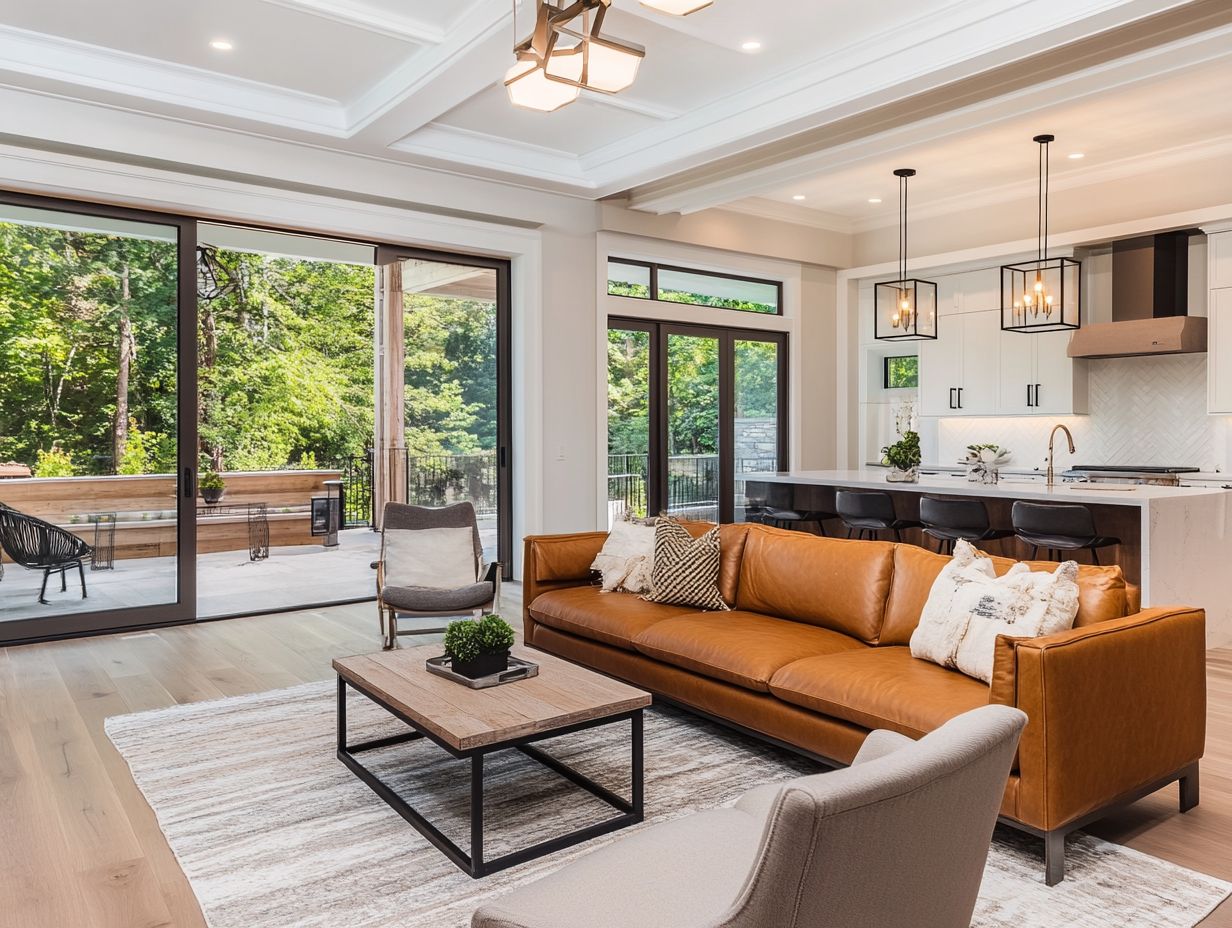
One significant pitfall in home remodeling for resale is the tendency to overpersonalize the design. Such an approach can alienate potential buyers and diminish the property’s appeal in a competitive market. It is crucial to strike a balance between personal preferences and prevailing market trends to maximize resale value and enhance competitive advantage.
For example, selecting bold and unconventional paint colors or incorporating intricate custom features that cater to very specific tastes may deter a diverse range of potential buyers who typically favor neutral tones and classic styles. Additionally, excessive thematic designs—such as pirate-themed bathrooms or overly extravagant dining rooms—can hinder buyers from envisioning themselves in the space.
It is essential to remain attuned to current buyer preferences, significant market trends, and resale potential, ensuring that remodeling designs align with common tastes while still retaining an element of originality. Ultimately, a thoughtful approach to remodeling can enhance the appeal of the property to a broader audience and increase the likelihood of a successful sale by boosting the property’s resale value.
5. Don’t: Neglect Maintenance and Repairs
Neglecting maintenance and repairs prior to undertaking home remodeling projects can result in costly renovation errors that significantly reduce the potential return on investment (ROI). Addressing these issues not only enhances the overall aesthetic appeal of the home but also bolsters effective marketing strategies and home staging.
By ensuring that foundational elements such as plumbing, electrical systems, and roofing are maintained in optimal condition, homeowners can avert complications that may arise during the renovation process. For example, a leaky roof can cause damage to newly installed fixtures and severely affect resale value, as prospective buyers may be apprehensive about incurring additional hidden costs. Ensuring energy efficiency in these systems can further boost property value and appeal to environmentally conscious buyers.
Additionally, outdated wiring can present safety hazards, rendering the property less attractive to potential buyers. Prioritizing these essential repairs fortifies the integrity of forthcoming renovations, ultimately resulting in a more desirable property that is effectively marketed in the real estate market. Employing energy-efficient appliances during these updates can further enhance the home’s resale potential.
6. Don’t: Make Improvements That Are Too Trendy
Avoiding overly trendy improvements is essential in home remodeling, as elements that are excessively fashionable can quickly become outdated and may deter potential buyers. Prioritizing timeless design choices that appeal to a broader audience can significantly enhance the return on investment (ROI) and increase property value. Strategic improvements, such as those in energy efficiency and maintenance-free landscaping, can contribute to longer-lasting appeal and increased home equity.
For example, while open floor plans once garnered considerable attention, they may now dissuade buyers who prefer defined spaces for greater privacy and functionality. Similarly, the incorporation of bold colors or avant-garde materials might attract some individuals, but such choices could alienate others who favor more neutral palettes that allow for easier customization. Homeowners should also consider the cost vs. value of implementing such design trends in their remodeling projects.
Homeowners should carefully consider the long-term implications of their design decisions. Elements such as classic cabinetry and durable flooring materials not only endure the passage of time but also resonate with traditional buyer preferences. Embracing designs that effectively combine style with functionality will ultimately appeal to a wider range of potential buyers, ensuring that the investment remains viable for years to come.
Frequently Asked Questions
What is home remodeling for resale?
Home remodeling for resale refers to making improvements or renovations to a home with the goal of increasing its value and attractiveness to potential buyers. The focus is on projects that will yield a high return on investment (ROI) when the home is put on the market.
Which projects should I focus on for the best ROI?
The best projects to focus on for a high ROI include kitchen remodels, bathroom renovations, adding a deck or patio, and improving the home’s curb appeal. These are areas that potential buyers place a high value on and are willing to pay more for. Investing in outdoor living space and energy-efficient improvements can further enhance buyer attraction and resale value.
Is it worth investing in a major home renovation for resale?
It depends on the specific market and the state of your home. In some cases, a major renovation can significantly increase the value of a home and result in a higher ROI. However, it’s important to carefully consider the cost of the renovation and the potential selling price to determine if it’s worth it.
Are there any home remodeling projects that have a low ROI?
Some projects may have a lower ROI, such as adding a swimming pool or converting a bedroom into a specialized space (such as a home gym). These projects may only appeal to a specific group of buyers and may not be worth the investment for resale.
How can I ensure a high ROI for my home remodeling projects?
To ensure a high ROI, it’s important to research the current market and understand what features and home upgrades are in high demand. Consult with a real estate agent or home appraiser to get an idea of what buyers are looking for in your area. It’s also important to properly plan and budget for the projects, considering financing options like home equity loans, to avoid overspending and decreasing the potential ROI.
Is it possible to over-improve my home for resale?
Yes, it is possible to over-improve a home for resale. This means investing in costly renovations that are not in line with the overall value of the home and the surrounding market. It’s important to find a balance between improving the home’s value and avoiding overspending on projects that may not have a high ROI. Conducting a thorough investment analysis and consulting with a real estate agent can help ensure that strategic improvements align with market positioning.