
DIY Disasters: When to Call a Professional for Home Remodeling
Historic Charm Meets Modern Comfort: Remodeling Older Homes
The Future of Homes: Trends in Home Remodeling Technology
Home remodeling is currently experiencing a significant technological revolution driven by innovations in residential technology and home improvement technology, which are redefining the ways in which we design, construct, and inhabit our living spaces.
Innovations in smart home technology and home automation systems enhance convenience, while energy-efficient upgrades promote sustainability by utilizing eco-friendly and sustainable materials. These interior design trends are not only exciting but also have a transformative impact on the home renovation industry.
Moreover, the advent of virtual and augmented reality tools is revolutionizing the design process, and the introduction of modular and prefabricated homes presents new methodologies for constructing living environments.
This article examines the prevailing trends and future prospects of technology in home remodeling, such as virtual reality, augmented reality, and smart homes, highlighting the benefits and advancements that are shaping our homes today and in the future.
Readers will gain insights into how these trends, including IoT (Internet of Things) and home customization, are improving efficiency, personalization, and sustainability within the remodeling sector.
What are the Current Trends in Home Remodeling Technology?
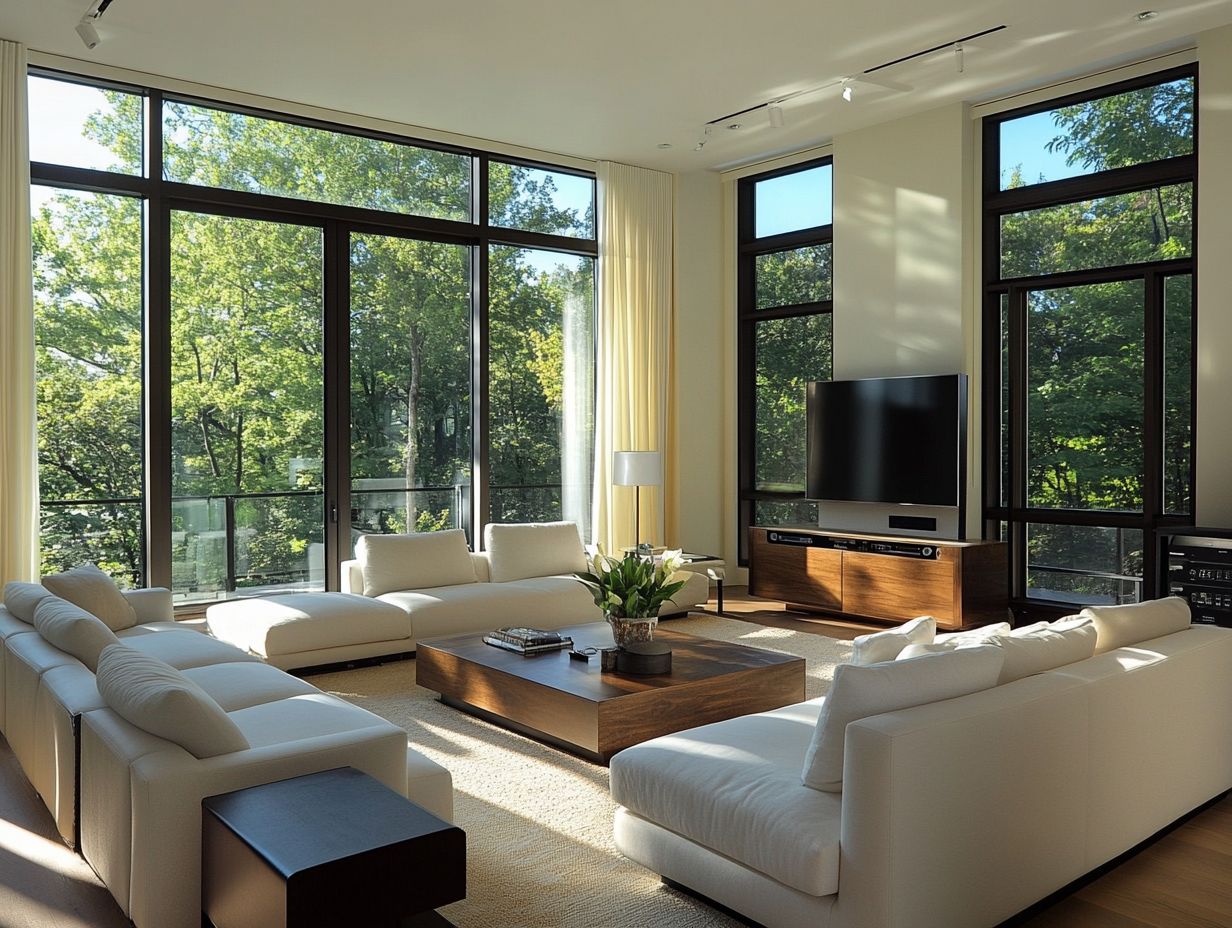
The landscape of home remodeling is undergoing significant transformation, propelled by technological advancements in automation and construction technology that enhance both aesthetic appeal and functionality.
Current trends include a range of innovations, such as smart home technology that integrates automation features to improve energy efficiency, as well as the utilization of sustainable building materials and green building practices that promote eco-friendly construction.
Furthermore, the incorporation of virtual reality, augmented reality, and design software in remodeling is revolutionizing the way homeowners visualize and plan their renovations, providing a more immersive experience and enhancing user experience.
Additionally, modular construction, including modular homes, is gaining popularity, offering flexible and efficient solutions for contemporary living spaces, while remodeling technology and project management innovations are optimizing execution processes.
1. Smart Home Technology
Smart home technology has fundamentally transformed the manner in which homeowners engage with their living environments, enhancing convenience and promoting energy efficiency through integrated systems and smart lighting.
By implementing home automation, IoT (Internet of Things), and smart home hubs in residential settings, occupants can remotely control lighting, heating, and smart appliances, thereby encouraging energy-efficient practices and reducing utility expenses.
Furthermore, smart appliances have become increasingly advanced, seamlessly connecting to smart home hubs to establish a cohesive ecosystem that emphasizes user-friendly interfaces, home networking, and enhanced home security systems.
These advanced features not only maximize user comfort but also contribute to a sustainable lifestyle by minimizing energy wastage. For example, smart thermostats and energy management systems are capable of learning user preferences over time, optimizing heating and cooling schedules to align with residents’ routines.
The emergence of voice-activated assistants and remote monitoring further facilitates this trend, enabling homeowners to execute commands with ease and monitor systems remotely.
As smart home technology continues to gain prominence, it has become a crucial element in the real estate market, with many buyers actively seeking properties that incorporate these innovations. This trend reflects a broader desire for homes that not only provide luxury but also integrate efficiency, convenience, and property value, ultimately benefiting both homeowners and the environment.
2. Energy Efficient Upgrades
Energy-efficient upgrades have become essential in home remodeling and home renovation, as homeowners increasingly aim to reduce their carbon footprints while enhancing both comfort and functionality.
This trend encompasses various components, including the installation of energy-efficient appliances that consume less energy and the implementation of advanced home energy management systems designed to monitor and optimize energy consumption. Sustainable architecture significantly contributes to these upgrades, emphasizing the use of eco-friendly materials and designs that address the impacts of climate change and renewable energy integration.
One effective strategy for homeowners is to improve insulation, a key aspect of home efficiency, which can lead to a reduction in heating and cooling costs by up to 20%. Investing in energy-efficient windows not only improves the aesthetic appeal of a home but can also result in approximately 15% savings on energy bills through better regulation of indoor temperatures.
Furthermore, smart thermostats represent an innovative solution, allowing homeowners to adjust settings remotely and track energy usage, which can lead to average savings of 10-15% on heating and cooling expenses. By integrating these energy-saving technologies and innovative materials, homeowners can achieve a more comfortable living environment while significantly reducing their long-term utility costs.
3. Green Building Materials
The transition towards sustainability is increasingly evident in the rising demand for green building materials and innovative materials in home remodeling projects, as homeowners prioritize eco-friendly options that contribute to environmental conservation. Sustainable building materials, such as reclaimed wood, recycled metal, and low-VOC paints, are being preferred for their health benefits and reduced environmental impact.
The principles of biophilic design are influencing contemporary residential architecture, which incorporates natural elements and sustainable energy sources to create harmonious living spaces that address climate-responsive design requirements and building sustainability.
This transition not only encourages environmental stewardship but also fosters healthier living environments, as these materials enhance indoor air quality and minimize exposure to harmful chemicals. By integrating features such as green roofs, ample natural light, and indoor gardens, and engaging in wellness-oriented spaces, homeowners can develop spaces that are not only aesthetically pleasing but also promote overall well-being.
Incorporating sustainable materials into remodeling projects can yield significant energy savings over time, making it a prudent investment. Ultimately, adopting these innovative design strategies ensures that homes are both visually appealing and aligned with a vision of sustainability and resilience for future generations, contributing to future-proofing homes.
4. Virtual and Augmented Reality
Virtual and augmented reality technologies are significantly transforming the home remodeling industry by providing innovative tools for floor plan visualization and design planning. Homeowners can leverage virtual reality design and augmented reality applications to immerse themselves in a simulated environment, allowing them to experience their future spaces prior to any physical alterations.
Concurrently, augmented reality applications enhance the design process through user-friendly interfaces, enabling clients to visualize modifications in real-time during remote design consultations, thereby streamlining the decision-making process through virtual collaboration.
These advancements not only enable homeowners but also assist designers in effectively showcasing their creative visions. Utilizing tools such as 3D modeling software, design software, and augmented reality applications, professionals can produce realistic renderings and animations that engage clients’ attention through visual storytelling.
The capability to manipulate design elements instantly fosters collaborative discussions regarding projects, ensuring that all ideas are seamlessly integrated. This technological integration, which includes artificial intelligence and predictive analytics, minimizes costly errors and reduces the time required for revisions, ultimately making the overall remodeling experience more efficient and satisfying for all parties involved.
5. Modular and Prefabricated Homes
Modular and prefabricated homes are increasingly recognized as innovative solutions that address the demand for cost-effective remodeling and flexible living environments. By employing advanced construction techniques, including automation and 3D printing, these homes can be constructed more rapidly and often at a reduced cost compared to traditional methods, thereby appealing to a wide range of consumers seeking affordability.
The growth of modular construction also reflects current trends in home investment, as buyers pursue efficient and customizable options that optimize living space without sacrificing quality or property value.
These homes not only offer budget-friendly alternatives but also align with the growing interest in sustainable living. In an era where environmental considerations are paramount, modular homes can be designed to incorporate energy-efficient technologies and eco-friendly, sustainable materials.
This adaptability enables them to accommodate diverse lifestyles and individual preferences, making them particularly appealing to millennials and first-time homebuyers, who value personalized spaces and open floor plans.
As the market increasingly shifts towards more innovative housing solutions, prospective homebuyers are discovering that modular and prefabricated options align seamlessly with their evolving needs for practicality and style, driven by demographic shifts and adaptive reuse.
How is Technology Changing the Home Remodeling Industry?
Technology is fundamentally transforming the home remodeling industry by introducing efficiencies, innovations, and residential technology that enhance every phase of a project.
From remodeling technologies that facilitate seamless project execution to advancements in tools and software that increase efficiency and adaptability, the remodeling landscape is becoming increasingly dynamic and responsive to homeowners’ needs.
Personalization and customization have become more accessible, enabling clients to tailor their spaces to align with their lifestyles while promoting improved sustainability through innovative design practices, including data-driven design and building sustainability certifications.
Enhanced safety measures, home surveillance, and streamlined communication further enable both homeowners and contractors, ensuring that projects are completed on time and within budget, taking into account renovation budgeting.
1. Increased Efficiency and Cost Savings
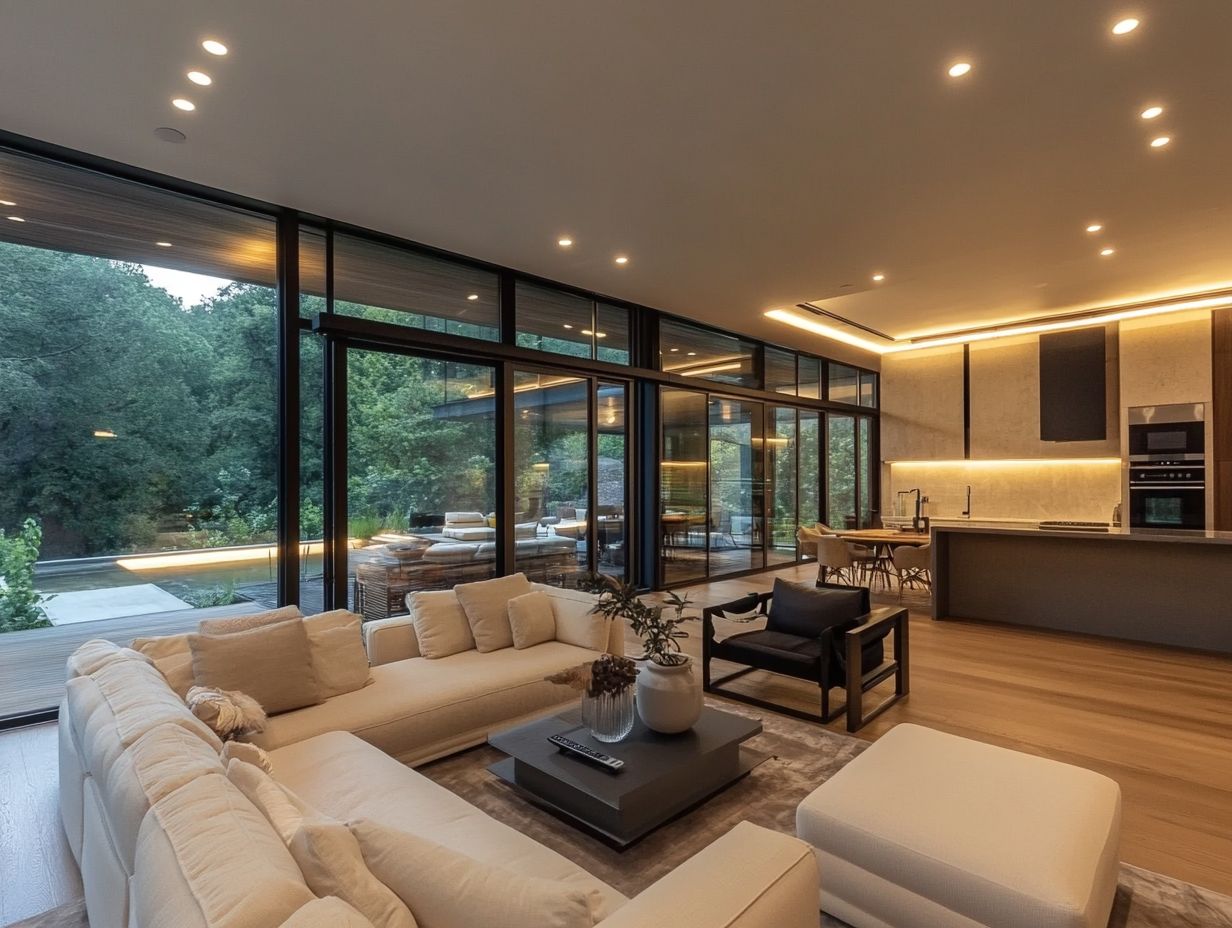
One of the most significant impacts of technology on home remodeling is the substantial enhancement in efficiency and cost savings, facilitated by various innovative processes and tools, including DIY trends, remote working spaces, and energy-saving technologies.
These tools enable homeowners to visualize their projects using 3D modeling and virtual reality, which provides a clearer understanding of the final outcome before the commencement of construction. Construction methodologies, such as modular building and the adoption of 3D printing, further streamline the process by allowing for off-site assembly, thereby reducing labor costs and minimizing disruptions at the construction site.
Project management software plays a crucial role in enabling contractors to track progress while fostering effective communication among all stakeholders, ensuring that any potential issues are addressed in a timely manner. The integration of automation and IoT (Internet of Things) within these systems further enhances efficiency and precision in managing remodeling projects.
By harnessing these technological advancements, homeowners can not only improve the quality of their renovations but also achieve significant financial benefits, maximizing their return on investment and resulting in a more satisfying remodeling experience. The seamless integration of residential technology and smart homes concepts allows for an enhanced user experience, further increasing property value.
2. Personalization and Customization
The demand for personalization and customization in home remodeling has significantly increased, driven by technology that enables homeowners to design spaces that reflect their unique preferences and lifestyles.
This transition towards individualized design has given rise to various trends that enhance the remodeling experience, including the integration of smart home systems that provide tailored functionality, encompassing aspects such as smart lighting and climate control through home automation systems.
Furthermore, many homeowners are now seeking materials and features that align not only with their aesthetic preferences but also with sustainability goals, resulting in a growing availability of eco-friendly and sustainable materials options.
Emerging design technologies, such as virtual reality, enable clients to immerse themselves in potential remodels, thereby making the process more interactive and engaging.
The evolution of home remodeling is distinctly characterized by a fusion of creativity, advanced technology, and a dedication to personal expression.
3. Improved Sustainability
Improved sustainability is a defining characteristic of contemporary home remodeling, driven by an increasing awareness of environmental impacts and the adoption of sustainable practices. Sustainable architecture and green building principles emphasize the creation of eco-friendly homes that not only minimize energy consumption but also enhance the quality of life for residents.
Climate-responsive design ensures that homes are constructed with materials and systems that adapt to local climate conditions, while home performance monitoring technologies provide real-time feedback on energy usage, enabling homeowners to make informed decisions. Energy management systems further assist in optimizing energy efficiency in homes.
Integrating sustainable materials, such as bamboo flooring and recycled glass countertops, effectively reduces the carbon footprint associated with conventional building materials. The incorporation of high-efficiency appliances and smart appliances further contributes to energy savings while promoting a healthier indoor environment.
Utilizing solar panels not only harnesses renewable energy but can also lead to significant cost savings over time. Embracing smart home technologies and home automation systems facilitates comprehensive control over energy consumption, enabling homeowners to optimize their resources.
Collectively, these eco-friendly design principles form the foundation of a remodeling approach that respects environmental considerations while creating a comfortable and functional living space.
4. Enhanced Safety and Security
Enhanced safety and security have emerged as critical considerations in home remodeling, as technology presents innovative solutions for protecting homeowners and their properties. The integration of advanced home security technologies, including smart lighting, smart window treatments, and automation, enables residents to manage their home’s safety remotely with ease.
Remote monitoring systems offer peace of mind by allowing homeowners to oversee their properties at any time, thereby ensuring a secure living environment.
Furthermore, the incorporation of video surveillance systems and motion detection alarms provides an additional layer of protection against potential intruders. These technologies not only serve to deter criminal activity but also enable homeowners to receive instant alerts on their smartphones, thereby enhancing responsiveness during emergencies.
The importance of robust door locks and smart entry systems cannot be overstated, as they represent the first line of defense. These security measures, in conjunction with fire alarms and carbon monoxide detectors, collectively transform remodeled spaces into fortified sanctuaries, reassuring residents that their safety is a paramount concern within contemporary housing designs.
5. Streamlined Communication and Project Management
Streamlined communication and project management are crucial for the successful execution of home remodeling projects, and technology plays a significant role in enhancing these processes. Remodeling technology, such as building information modeling and collaborative tools, facilitates clearer communication between homeowners and contractors, ensuring that all parties are aligned on project goals.
The increasing popularity of remote design consultations allows clients to engage with professionals without geographical constraints, thereby improving project efficiency.
These advancements not only enhance information sharing but also provide real-time updates on project progress, budget modifications, and timelines. Tools such as project management software and mobile applications have transformed stakeholder interactions, enabling instant feedback and reducing the likelihood of misunderstandings.
By leveraging these technologies, homeowners can effectively monitor the status of their projects, while contractors can deliver timely updates, ensuring that both parties remain informed and satisfied throughout the remodeling process. Ultimately, effective communication fosters trust and collaboration, leading to improved outcomes and a more seamless renovation experience. Telecommuting and virtual collaboration have also become integral to modern project management strategies.
What are the Benefits of Using Technology in Home Remodeling?
The advantages of incorporating technology into home remodeling are numerous, encompassing substantial time and cost efficiencies as well as enhanced design outcomes that significantly improve the overall living experience.
By utilizing advanced tools and software, including design software and home improvement technology, homeowners can optimize their projects, ensuring timely completion while remaining within budgetary constraints.
Furthermore, the adoption of innovative design solutions frequently results in an increase in property value, positioning technological advancements as a prudent investment for the future.
1. Time and Cost Savings
One of the primary advantages of incorporating technology into home remodeling is the significant time and cost savings it offers. By utilizing remodeling technology, homeowners can improve project efficiency through precise planning and execution, which reduces delays and unexpected expenses.
Predictive analytics further enable homeowners by providing insights into budget management, allowing them to make informed decisions that ultimately save both time and money.
For instance, the use of 3D modeling software enables a virtual walkthrough prior to the commencement of any physical work, facilitating the early identification of design flaws and minimizing costly revisions. Additionally, mobile applications now promote real-time communication between contractors and homeowners, ensuring that any challenges are addressed promptly.
Smart home technology can also optimize energy usage, resulting in long-term savings on utility bills.
By streamlining processes and leveraging innovative tools, technology not only assists in reducing costs but also enhances the overall remodeling experience, leading to a more efficient and enjoyable journey for homeowners.
2. Improved Design and Planning
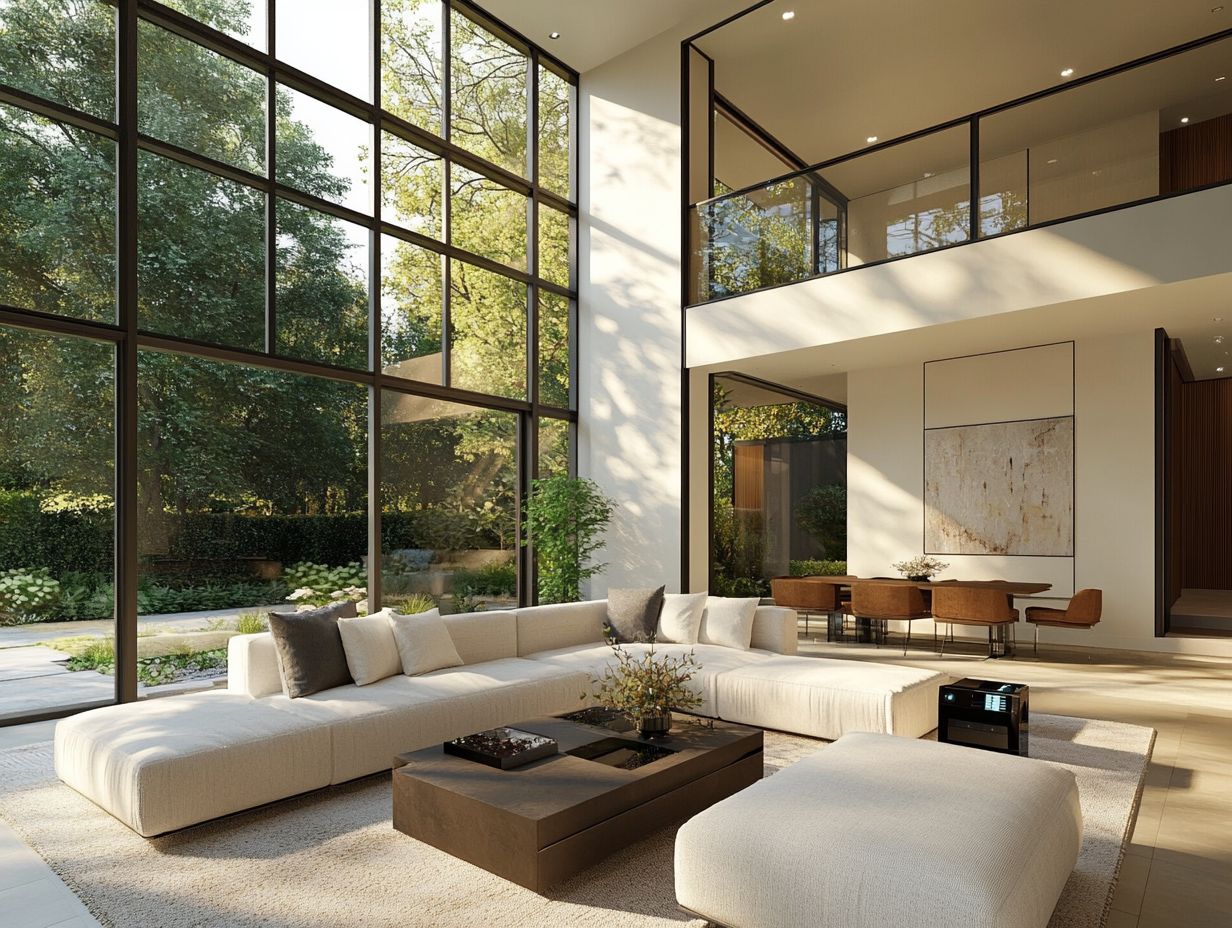
Technology has fundamentally transformed the design and planning phases of home remodeling, resulting in enhanced design outcomes that align closely with homeowner preferences.
Home design applications equipped with user-friendly interfaces enable clients to explore various layouts and aesthetics, thereby facilitating more knowledge-based decision making. Advanced tools such as 3D home modeling offer realistic visualizations that enhance design flexibility and creativity, ensuring that homes authentically reflect the unique tastes of their owners.
Furthermore, virtual reality and augmented reality tools allow homeowners to immerse themselves in their redesigned spaces prior to any physical alterations. This interactive approach not only engages clients but also promotes collaboration with designers, ensuring that every detail is meticulously considered.
The automation of project management through various software solutions streamlines communication and scheduling, alleviating stress for homeowners throughout the remodeling process.
By adopting these technologies, individuals can achieve a more satisfying and personalized renovation experience, as their insights and feedback play an essential role in shaping the final design.
3. Increased Property Value
Incorporating technology into home remodeling can significantly enhance property value, making it a compelling option for homeowners seeking to invest in their properties.
This trend is largely driven by the growing demand for convenience and sustainability among contemporary buyers. Features such as smart lighting systems, energy-efficient appliances, and advanced security measures not only enhance the living experience but also substantially improve curb appeal.
Homes equipped with smart thermostats and efficient insulation are increasingly in demand, as they offer the promise of lower utility bills and a reduced carbon footprint, utilizing eco-friendly and sustainable materials. Consequently, integrating these technological upgrades not only enriches everyday living but also establishes a foundation for a stronger return on investment, demonstrating how strategic remodeling choices can elevate overall property values in smart homes.
4. Enhanced Living Experience with Home Automation Systems
The integration of technology and home automation in remodeling significantly enhances the living experience for residents, creating spaces that are both functional and conducive to health and wellness. Smart home ecosystems consolidate various technologies, fostering convenience and comfort through seamless connectivity and automation.
This emphasis on improving home sensory experiences contributes to overall well-being, addressing the evolving lifestyle changes that homeowners seek, such as aging in place and remote working spaces.
Smart lighting systems, for example, adjust according to natural sunlight, while automated thermostats optimize energy usage while maintaining ideal indoor temperatures. These enhancements are designed to elevate daily living and improve user experience. Additionally, advanced air purification systems improve indoor air quality, thereby supporting respiratory health and overall comfort.
Homeowners can also take advantage of integrated wellness features, such as smart mirrors that monitor fitness and hydration levels, which encourage healthier lifestyles. By combining aesthetics with advanced technology, individuals can create personalized spaces that not only reflect their style but also promote well-being, ultimately making everyday life more enjoyable and efficient. This includes embracing interior design trends that focus on wellness-oriented spaces and biophilic design.
What Does the Future Hold for Home Remodeling Technology?
The future of home remodeling technology presents a wealth of opportunities, propelled by ongoing advancements in construction technology and home improvement technology that are poised to transform the industry.
As artificial intelligence becomes more integrated into design and planning processes, with the use of predictive analytics, homeowners will gain access to personalized recommendations and improved decision-making tools.
Additionally, the rise of sustainable practices and modular homes is expected to redefine the capabilities of modern living spaces, meeting the growing demand for eco-friendly solutions in residential design and building sustainability.
1. Continued Advancements in Smart Home Technology
The ongoing advancements in smart home technology are poised to further transform residential living, as innovations in home automation systems and connectivity become increasingly prevalent. Smart home ecosystems will evolve to integrate a broader range of devices that operate together seamlessly, providing homeowners with enhanced control and convenience through user-friendly interfaces and smart home hubs.
As the Internet of Things (IoT) expands, the increase in connectivity will facilitate real-time data sharing and responsiveness, thereby enriching the overall smart home experience and home connectivity.
This integration will not only streamline daily tasks but also contribute to improved energy efficiency and security. For example, intelligent energy management systems will enable users to monitor their consumption patterns and optimize their usage, resulting in significant cost savings and improved home efficiency.
With advanced features such as voice recognition and AI-driven automation, interactions with these systems will become more intuitive, allowing for personalized experiences tailored to individual preferences and enhancing the overall user experience.
As technology continues to evolve, homeowners can anticipate a smarter living environment that predicts their needs and adapts accordingly, ultimately enhancing comfort, peace of mind, and property value.
2. Integration of Artificial Intelligence and Machine Learning
The integration of artificial intelligence and machine learning into home design is set to transform the remodeling process, providing personalized solutions that address the specific preferences of individual homeowners, contributing to the growth of residential technology.
Utilizing predictive analytics, remodeling technology can analyze user data to recommend design elements and features that align with lifestyle needs, thereby enhancing overall project outcomes. These advancements not only streamline decision-making but also create an environment where creativity and functionality are harmoniously integrated, supporting current interior design trends.
By employing algorithms that adapt to prior choices and emerging trends, the design experience becomes increasingly user-centric, enabling homeowners to visualize their concepts in real time. Furthermore, automation tools can facilitate budgeting and resource management, ensuring that projects adhere to financial constraints while maximizing aesthetic appeal and supporting renovation budgeting.
With features such as virtual reality walkthroughs and augmented reality applications, prospective clients can experience their spaces before any physical work commences, thus paving the way for intelligent, efficient designs tailored to their unique tastes and requirements, supported by advanced design software and architectural design tools.
3. Increased Use of Virtual and Augmented Reality
The increasing integration of virtual and augmented reality in home remodeling is fundamentally transforming how homeowners visualize their projects, providing immersive design experiences that were previously unattainable. These technologies facilitate remote visualization and promote more informed design consultations, allowing clients to engage with their projects from virtually any location, enhancing the use of tech integration in home renovation.
As these tools become increasingly accessible, they are poised to redefine the standard for client-designer interactions within the remodeling industry, fostering virtual collaboration and interaction through mobile apps and online marketplaces.
Through the innovative application of virtual and augmented reality, homeowners can now virtually explore their future spaces before any physical work commences, thereby significantly reducing the potential for costly revisions. This technology not only enhances collaboration between clients and designers but also enables homeowners by offering a clearer understanding of spatial relationships and design elements, supporting space optimization and enhancing visual storytelling.
Consider the possibility of virtually walking through a kitchen or examining augmented reality layers of various materials and colors—this experience vividly brings concepts to life, simplifying the process of envisioning how different choices will manifest in their actual homes. Consequently, the remodeling process becomes more efficient and enjoyable, fostering stronger relationships while elevating overall design satisfaction and aligning with current DIY trends in home customization.
4. Growth of Sustainable and Green Building Practices
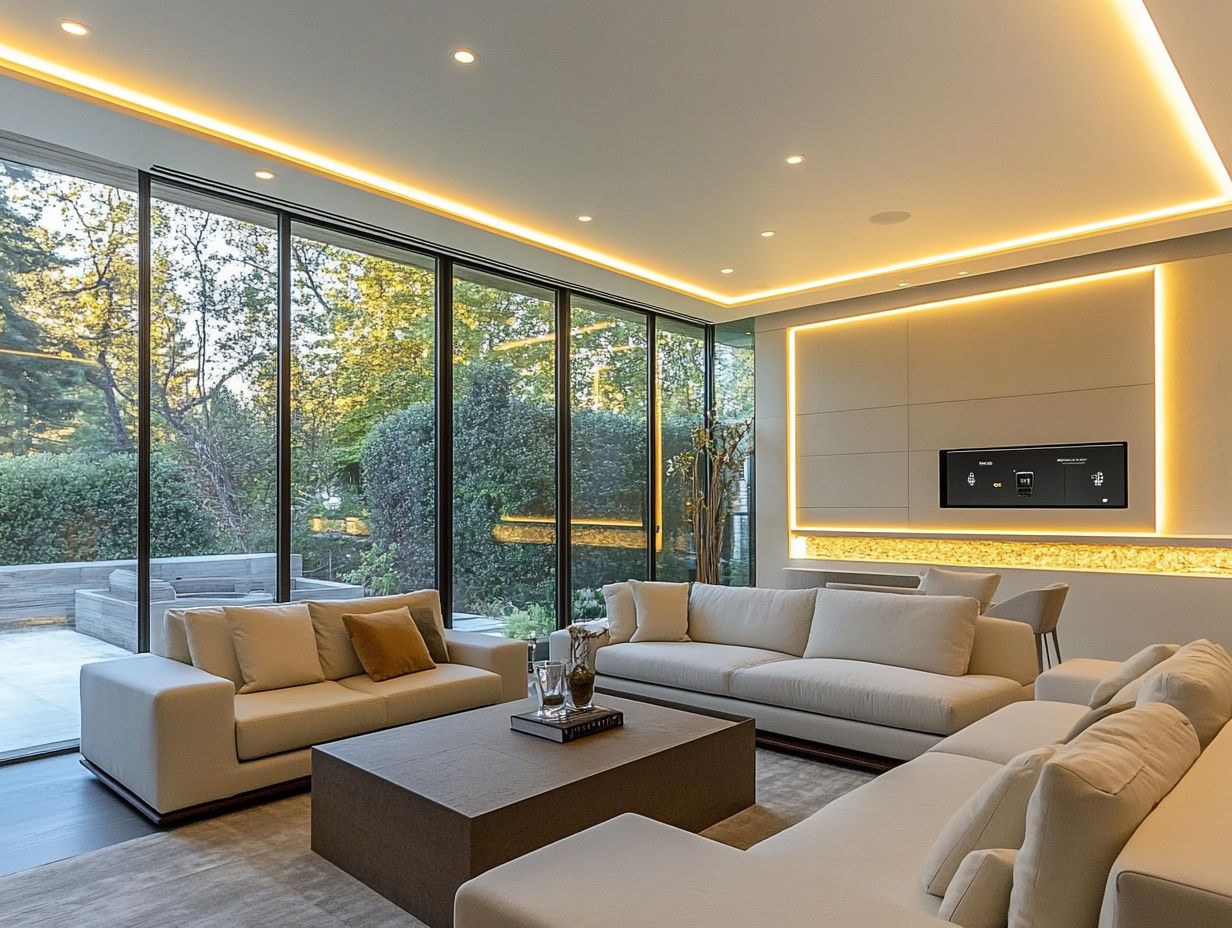
The growth of sustainable and green building practices is poised to continue shaping the home remodeling landscape as awareness of climate change and environmental issues intensifies. Homeowners are increasingly pursuing eco-friendly homes that incorporate green building materials and energy-efficient designs, reflecting a strong commitment to sustainability and building sustainability certifications.
This evolving demand is driving innovation in construction technology and creating opportunities for practices that effectively address the impacts of climate change, with a focus on renewable energy adoption and sustainable landscaping.
As a result, remodeling projects are frequently centered on the utilization of renewable resources, optimization of insulation, and enhancement of natural light—all of which contribute to reduced energy consumption and lower utility bills. The integration of smart technology into these renovations further supports sustainability, enabling homeowners to monitor and manage their energy usage efficiently, including through home energy audits and smart window treatments.
Additionally, the adoption of practices such as rainwater harvesting and native landscaping enhances the overall efficiency of properties while promoting biodiversity and supporting innovative materials in sustainable landscaping.
Ultimately, this shift signifies a broader movement toward creating healthier, more resilient living environments that prioritize the well-being of the planet alongside modern comfort, including features like noise reduction technology and smart appliances.
5. Expansion of Modular and Prefabricated Homes
The expansion of modular and prefabricated homes is set to significantly transform the future of the housing market, driven by a growing demand for efficient living spaces and cost-effective solutions. These homes provide a distinctive combination of flexibility and sustainability, appealing to a diverse array of buyers who value innovative construction methods and affordability.
As the market continues to develop, modular construction is expected to play a critical role in addressing housing shortages and affordability issues, particularly in urban living environments and multifamily homes.
Given the increasing emphasis on environmental responsibility, modular and prefabricated homes not only reduce waste during the construction process but also enhance energy efficiency once completed. The capacity to customize designs according to individual preferences further increases their attractiveness, particularly for first-time homeowners and those looking to downsize, aligning with current design trends in home customization and open floor plans.
Advancements in construction technology are streamlining the building timeline, allowing for faster occupancy, which is essential in the rapidly evolving real estate environment. The modular and prefabricated housing market represents a shift towards more intelligent and adaptable living solutions that align with contemporary lifestyle requirements, such as climate control systems and adaptive reuse of spaces.
Frequently Asked Questions
1. What are some current trends in home remodeling technology?
Some current trends in home remodeling technology include smart home systems, energy-efficient upgrades, and virtual design tools.
2. How do smart home systems impact the future of homes?
Smart home systems allow for greater control and convenience in managing home functions, such as security, temperature, and lighting. They also have the potential to increase energy efficiency and reduce costs.
3. Can home remodeling technology help make homes more sustainable?
Yes, advances in home remodeling technology, such as solar panels, energy-efficient windows and appliances, smart home systems, and innovative materials, can all contribute to making homes more sustainable and environmentally friendly. This approach aligns with the latest home improvement technology trends, focusing on sustainability and eco-friendly solutions.
4. How can virtual and augmented reality design tools benefit the home remodeling process?
Virtual and augmented reality design tools allow homeowners to visualize and plan their remodel before any physical changes are made, saving time and money in the long run. They also give homeowners the opportunity to explore different design trends, like interior design trends and personalized spaces, and make informed decisions.
5. Are there any new materials being used in home remodeling?
Yes, there are new materials being developed that are more durable, energy-efficient, and sustainable. These include recycled or reclaimed sustainable materials, as well as innovative materials like self-healing concrete and low-maintenance roofing materials. Such materials contribute to green building practices and enhance the property value of homes.
6. Will the future of homes be fully automated and incorporate home automation systems?
It is possible that in the future, homes may become more automated and self-sustaining, with features such as voice-activated controls, self-cleaning surfaces, autonomous appliances, and smart home hubs. Additionally, the integration of IoT (Internet of Things) and renewable energy sources could play a significant role. However, it is likely that there will always be a need for human input and maintenance in home remodeling, balancing technology with user experience.