
Choosing Ecofriendly Materials For Your Home Remodel
Setting Up The Ultimate Home Theater A Stepbystep Guide
Universal Design Principles For An Accessible Home
Are you looking to make your home more accessible and inclusive for everyone?
Universal design principles can help you create a space that is functional and welcoming to all individuals.
From equitable use to flexibility in design, these principles can transform your living space into a place that accommodates everyone’s needs.
In this article, we will explore the key concepts of universal design, provide resources for further learning, and discuss the benefits of incorporating these principles into your home.
Let’s get started on designing a home that works for everyone!
Key Takeaways:
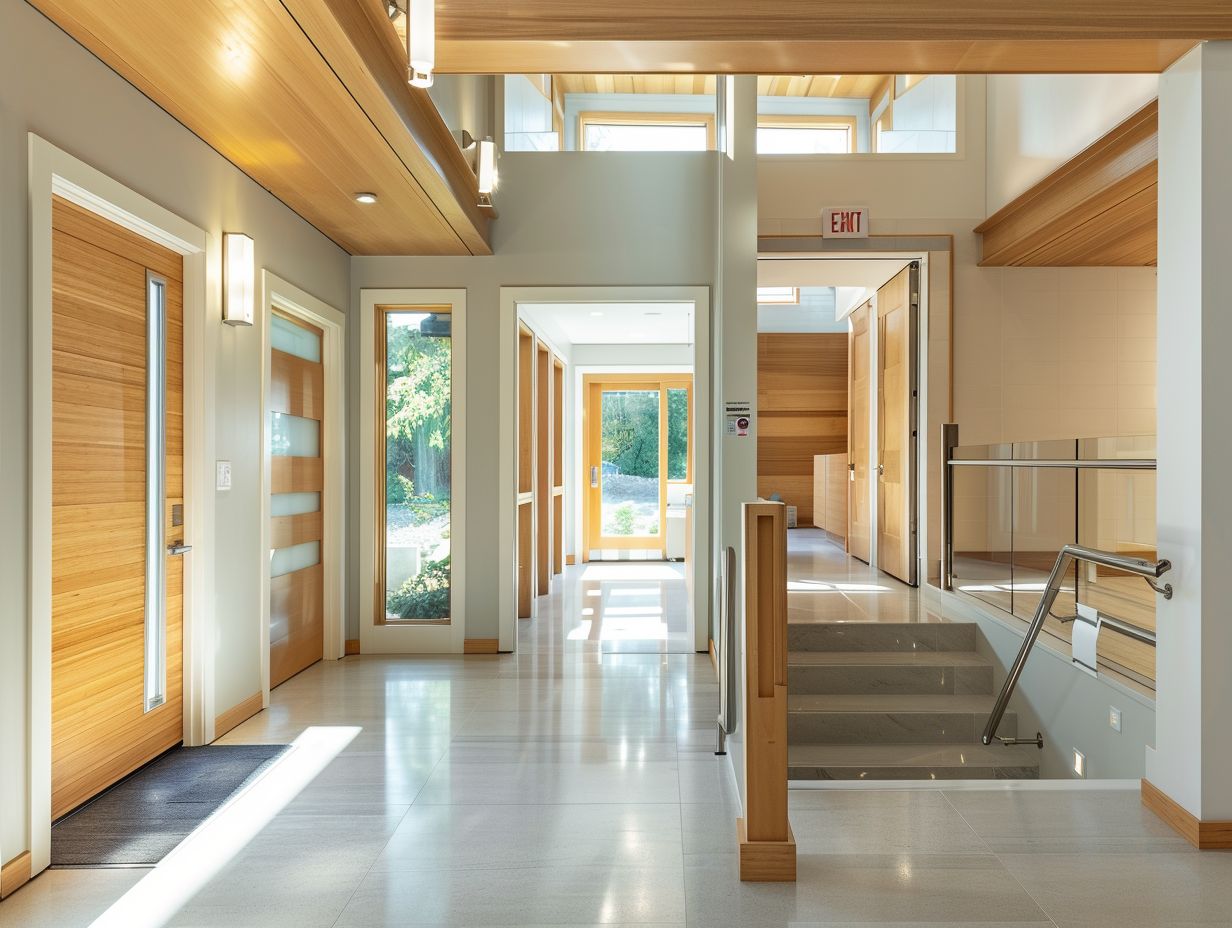
Universal Design Principles for an Accessible Home
Understanding and implementing universal design principles is crucial for creating an accessible home that caters to the diverse needs of all individuals, regardless of age or abilities.
This approach to design focuses on creating spaces and products that are usable by people of varying physical abilities, ensuring that everyone can navigate and use them comfortably.
For example, incorporating features like wider doorways, lever-style door handles, adjustable countertops, and curbless showers can significantly improve accessibility in a residential setting.
By integrating universal design elements, homes become welcoming and functional for all occupants, promoting a sense of inclusivity and independence.
Defining Universal Design
Universal design is a design philosophy that aims to create products and environments that are usable by all people, incorporating features that promote accessibility and inclusivity.
This design approach recognizes that individuals have diverse needs and abilities, emphasizing the importance of considering these variations in the initial stages of the design process.
By designing with a focus on flexibility and usability for a broad range of users, universal design aims to eliminate barriers and ensure that everyone, regardless of age, size, or ability, can interact with the product or space comfortably and independently.
It goes beyond mere compliance with regulations and strives to enhance the overall user experience by anticipating and addressing different user requirements.
1. Equitable Use
Equitable use in universal design refers to the principle of ensuring that products and environments can be accessed and operated by all individuals, regardless of their abilities or limitations.
This concept of equitable use is crucial in eliminating barriers that may impede individuals from fully engaging with their surroundings. In residential settings, incorporating features such as wider doorways, lever-style handles, and grab bars in bathrooms can significantly enhance accessibility for people of all ages and abilities. By considering the diverse needs of users in the design process, homes can become more inclusive and supportive of individuals with varying mobility or sensory challenges, thus fostering a sense of belonging and independence.
2. Flexibility in Use
Flexibility in use is a key principle of universal design that focuses on designing products and spaces that can accommodate a wide range of preferences and abilities.
This principle of flexibility not only enhances usability but also significantly improves the overall user experience. By incorporating features that allow for customization and adjustments, users can tailor their environment to suit their specific needs and preferences.
For example, in creating adaptable residential environments, architects can include features such as modular furniture that can be easily rearranged to accommodate different layouts or adjustable countertops that can be raised or lowered to accommodate individuals of varying heights or physical abilities.
3. Simple and Intuitive Use
Simple and intuitive use principles in universal design emphasize the importance of creating products and environments that are easy to understand and operate for all users.
This concept is crucial in ensuring accessibility for individuals with varying abilities. In home design, one can incorporate this principle by utilizing clear signage, contrasting colors, and spacious layouts.
For example, a home with lever door handles instead of doorknobs allows for easy accessibility for those with limited hand mobility. Incorporating ramps instead of stairs in certain areas promotes inclusivity for individuals with mobility challenges.
These thoughtful design elements not only enhance accessibility but also contribute to a more functional and welcoming living environment.
4. Perceptible Information
Perceptible information principles in universal design focus on making key information and feedback clear and understandable to all users, regardless of sensory abilities.
This approach is crucial for creating inclusive spaces that accommodate the needs of individuals with varying abilities. In residential settings, providing perceptible information can include using tactile signs with Braille for those with visual impairments, utilizing contrasting colors and clear graphics for those with low vision, and incorporating auditory cues like alarms or announcements for individuals with hearing impairments. Lighting solutions that enhance visibility and well-designed layouts that are easy to navigate also contribute to making information more accessible in homes, ensuring that everyone can interact with their environment effectively.
5. Tolerance for Error
Tolerance for error in universal design ensures that products and environments are forgiving of mistakes and allow users to recover easily from errors without negative consequences.
For instance, in the realm of home features, incorporating error tolerance could mean installing lighting systems with motion sensors to automatically turn on lights when someone enters a room, reducing the chances of fumbling in the dark.
Another example could be using lever-style door handles that are easier to operate than traditional knobs, providing a user-friendly experience for individuals with limited dexterity.
These small but impactful design choices not only enhance usability but also contribute to creating more inclusive and accommodating living spaces for people of all abilities.
6. Low Physical Effort
The principle of low physical effort in universal design aims to reduce the energy and effort required to use products and navigate spaces, making them accessible to individuals of all abilities.
By incorporating features like lever door handles and touch faucets, homes can be made more accessible with minimal physical strain. Creating single-floor living spaces and wider doorways can enhance mobility for wheelchair users and individuals with mobility challenges. Installing grab bars in bathrooms and showers can improve safety and support for people with balance issues. These small adjustments play a significant role in promoting independence and comfort within residential environments.
7. Size and Space for Approach and Use
Designing adequate size and space for approach and use is a fundamental principle of universal design that ensures individuals can reach, manipulate, and operate products and features comfortably.
Considering spatial requirements for accessibility in residential design is crucial to create environments that cater to the diverse needs of users. For instance, optimizing the layout of a kitchen by ensuring wide pathways, lower counter heights, and accessible storage solutions can make it easier for individuals with mobility impairments to navigate and use the space efficiently.
Similarly, incorporating grab bars and adjustable fixtures in bathrooms can enhance usability and safety for people of varying abilities. By integrating these design considerations, dwellings can become more inclusive and comfortable for all occupants.
Universal Design Resources
Various resources are available to support the incorporation of universal design principles in residential settings, providing guidelines and tools to enhance accessibility and inclusivity.
These resources play a crucial role in promoting the concept of universal design, ensuring that living spaces are user-friendly for individuals of all ages and abilities. Organizations like the Center for Universal Design and the Universal Design Living Laboratory offer valuable insights and recommendations on how to design homes that are safe, comfortable, and easy to navigate. By following these standards and guidelines, homeowners and designers can create living environments that are not only aesthetically pleasing but also functional and accommodating for everyone.
Training Videos for Universal Design and Accessibility
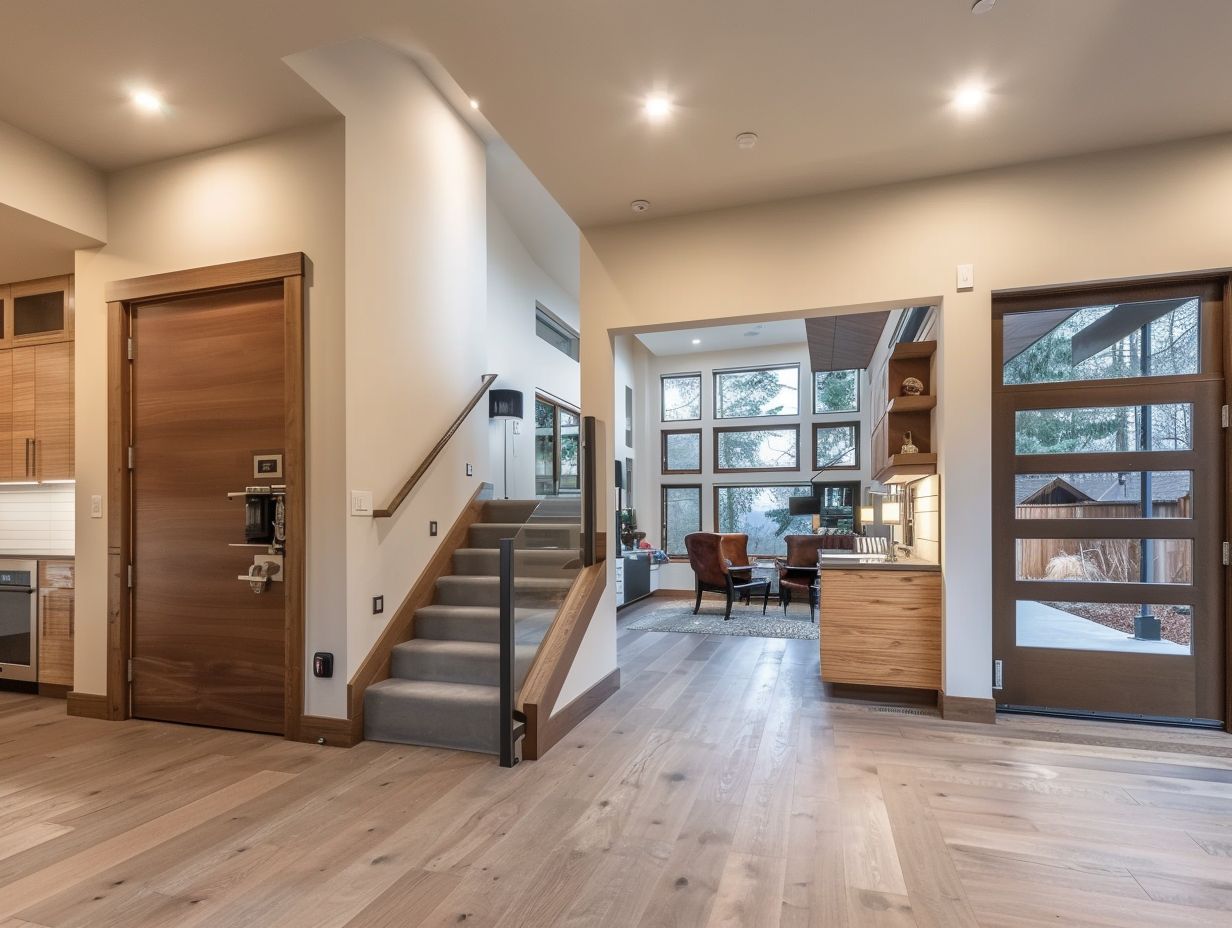
Accessing training videos on universal design and accessibility can be beneficial for individuals looking to enhance their knowledge and skills in creating inclusive and accessible environments.
These educational resources provide valuable insights into the principles of universal design, offering practical examples and case studies that help viewers understand the importance of creating spaces that are accessible to everyone.
By watching these videos, individuals can learn how to apply universal design concepts in various settings, from buildings to digital platforms, ultimately fostering a more inclusive society.
Organizations and educators can also leverage these videos to train their staff and students on the significance of designing with diversity in mind.
To access a comprehensive collection of educational videos on universal design and accessibility, you can explore resources provided by reputable organizations like the Center for Universal Design in North Carolina State University (https://projects.ncsu.edu/ncsu/design/cud/) and the Accessible University project (https://accessibleuniversity.org/).
Designing with Everyone in Mind
Designing with everyone in mind involves incorporating universal design principles to ensure that products and spaces can be used by individuals of all abilities and needs.
This inclusive approach not only benefits individuals with disabilities but also enhances the overall user experience for everyone. For example, implementing features such as ramp access and wider doorways not only make buildings accessible to wheelchair users but also easier to navigate for parents with strollers or individuals carrying heavy items. Using clear signage and color-contrasting designs not only aids those with visual impairments but also benefits individuals in busy or low-light environments. By embracing universal design principles, communities become more inclusive and welcoming to all.
Benefits of Universal Design for Residential Uses
Implementing universal design in residential settings offers numerous benefits, including improved accessibility, usability, and comfort for individuals of all ages and abilities.
By integrating universal design features in homes, families can experience greater flexibility and ease in their daily activities. These features not only cater to individuals with disabilities but also benefit aging populations and families with young children.
The inclusion of wider doorways, lever-style door handles, and grab bars not only enhances safety and independence but also contributes to a sense of inclusivity within the community. Ultimately, adopting universal design principles in residential spaces creates a more welcoming environment for all residents and visitors.
Getting Started with Universal Design
Embarking on the journey of universal design involves understanding the principles and concepts behind inclusive design and taking the first steps towards creating accessible environments.
One of the key steps to incorporate universal design in your projects is to involve diverse stakeholders from the outset, including individuals with disabilities, older adults, and experts in accessibility.
Conducting thorough research and consultations to identify the specific needs and challenges of different user groups can help in designing solutions that cater to a wide range of users.
Staying updated on accessibility guidelines and standards, such as the ADA Standards for Accessible Design, can provide a framework for ensuring inclusivity in your projects.
Considerations for Universal Design
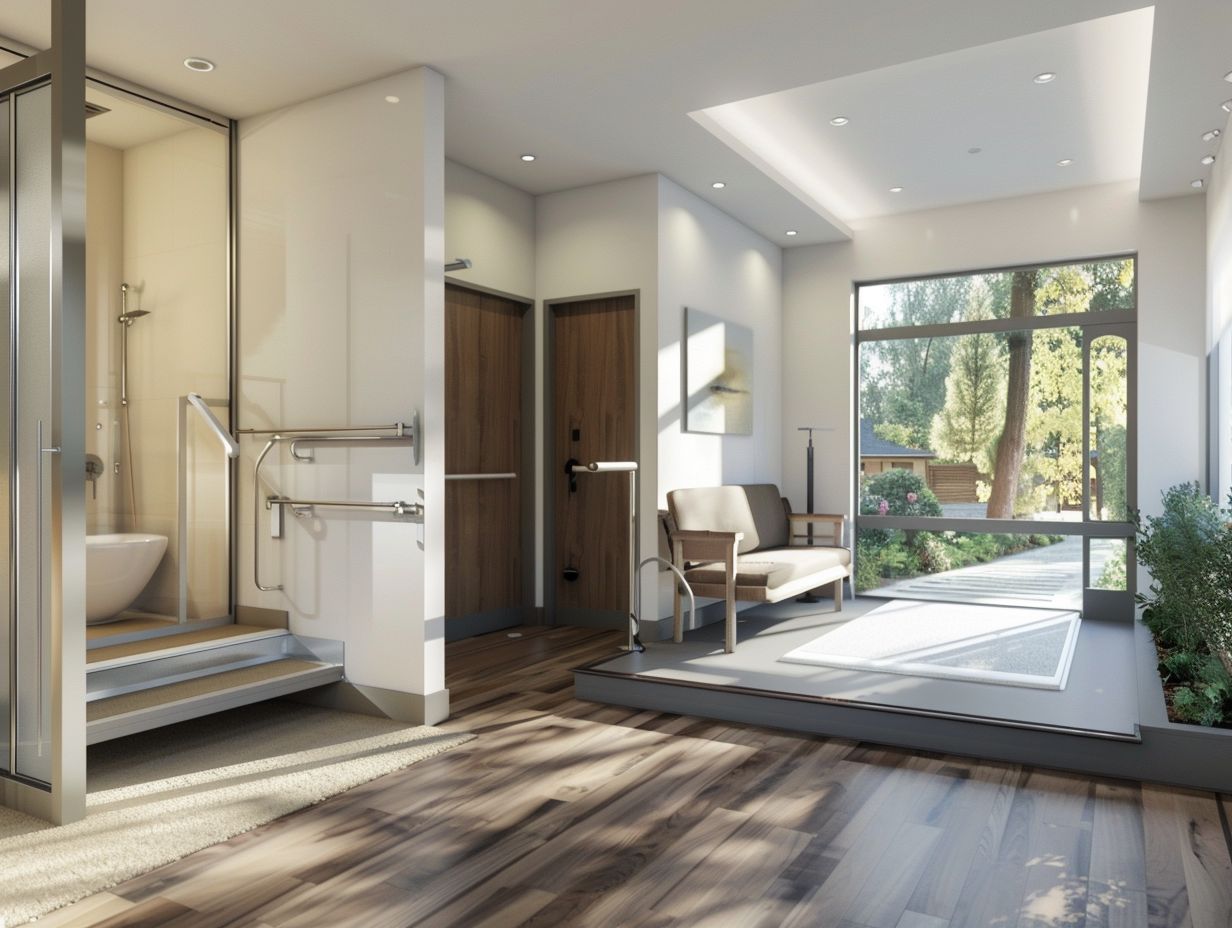
When planning for universal design, it is essential to consider various factors such as usability, accessibility, and user needs to create spaces that cater to a diverse range of individuals.
One crucial aspect to keep in mind is the importance of incorporating user feedback throughout the design process. By actively involving end-users, designers can gain valuable insights into how different individuals interact with and experience the space.
Usability testing is another critical step in ensuring that the design is intuitive and user-friendly for all. This involves putting the design through rigorous testing scenarios to identify any potential barriers or challenges that might hinder accessibility.
Compliance with accessibility standards is non-negotiable to make sure that the design meets the necessary criteria for inclusivity and user engagement.
Additional Resource Links
Exploring additional resource links related to universal design and accessibility can offer valuable insights, guidelines, and inspiration for incorporating inclusive features in various projects.
These resources can provide practical tools and strategies for creating spaces and products that are accessible to individuals of all abilities.
By looking into case studies from organizations that have successfully implemented universal design principles, you can gain a deeper understanding of the benefits and impact of inclusive design.
Understanding and implementing standards set by organizations in the field of universal design can help ensure that your projects meet the highest levels of accessibility.
Don’t hesitate to explore these links to foster a culture of accessibility and inclusivity in your own work.
Frequently Asked Questions
What are universal design principles for an accessible home?
Universal design principles for an accessible home are design concepts and features that make a home accessible and functional for people of all ages, abilities, and mobility levels.
Why is it important to incorporate universal design principles in a home?
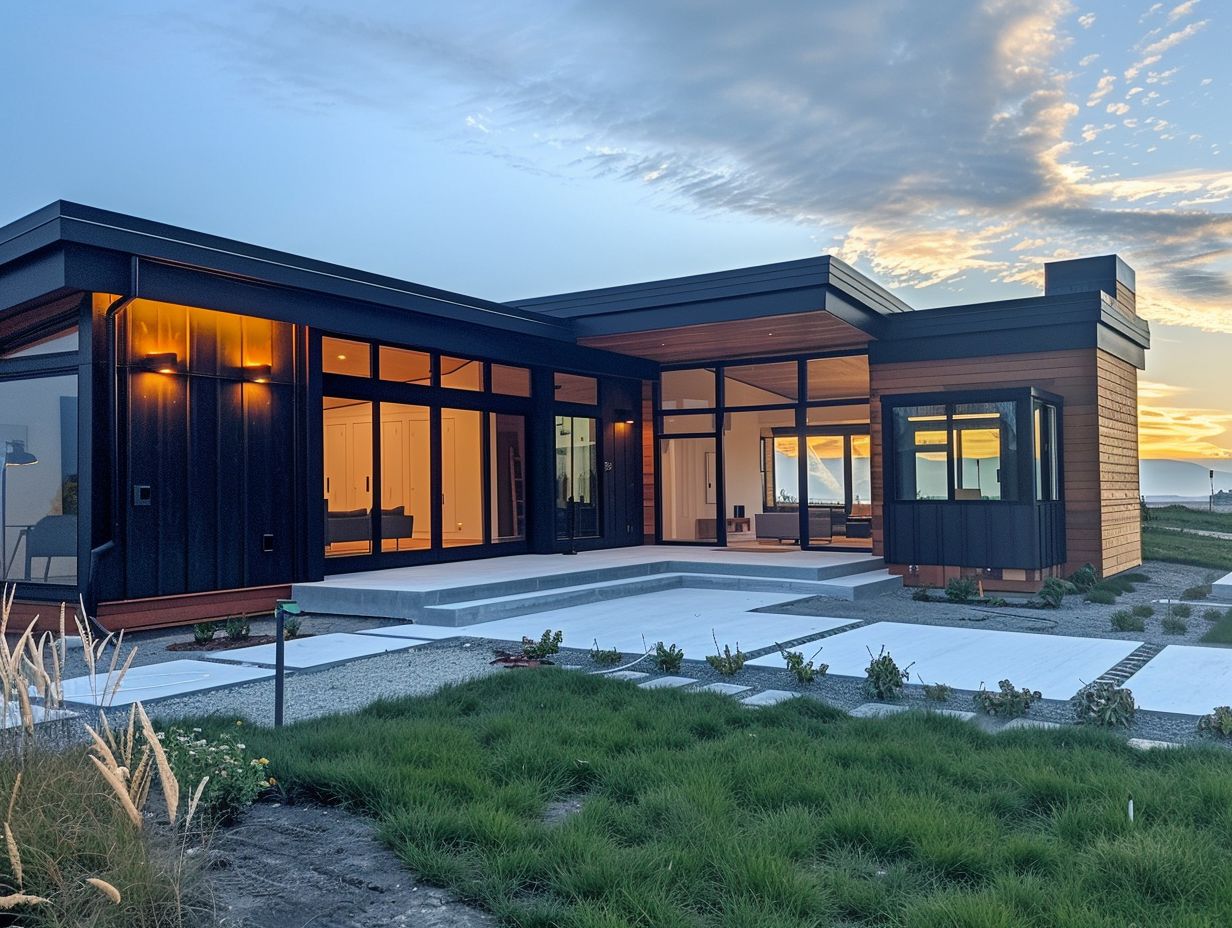
Incorporating universal design principles in a home ensures that the home can be comfortably and safely used by everyone, regardless of their age or ability. It promotes independence and inclusivity in the home.
What are some examples of universal design features for an accessible home?
Examples of universal design features for an accessible home include widened doorways and hallways, lever-style door handles, zero-step entryways, non-slip flooring, and adjustable countertops and cabinets.
Can universal design principles be incorporated into an existing home?
Yes, universal design principles can be incorporated into an existing home through renovations and modifications. This can greatly improve the accessibility and functionality of the home for all occupants.
Are there any resources available for learning more about universal design principles?
Yes, organizations such as the Universal Design Coalition and Palmetto Renovations offer resources and consultations for incorporating universal design principles into homes. These resources can help homeowners make informed decisions about home renovations and modifications.
What are some common misconceptions about universal design principles?
One common misconception about universal design principles is that they are only necessary for individuals with disabilities. In reality, universal design benefits people of all ages and abilities, making the home safer and more convenient for everyone.