
Home Remodeling for Resale: Which Projects Yield the Best ROI
Bathroom Remodeling
Wellness-Focused Home Remodeling: Creating Healthy Spaces
In today’s fast-paced world, the significance of creating healthy living environments has become increasingly evident.
Wellness-focused home remodeling extends beyond mere aesthetics; it prioritizes the development of spaces that support both physical and mental well-being.
This article examines the concept of wellness-focused remodeling, its considerable benefits, and critical considerations such as indoor air quality and the utilization of non-toxic materials.
Explore how you can transform your home into a sanctuary that not only enhances visual appeal but also fosters a healthier lifestyle.
What is Wellness-Focused Home Remodeling?

Wellness-focused home remodeling represents an innovative approach that integrates health and environmental principles into the design and renovation of residential spaces. This approach focuses on sustainable materials, biophilic design, and the use of indoor plants to create a holistic living environment.
This remodeling philosophy emphasizes the creation of healthy living environments that enhance comfort, functionality, and emotional well-being, while addressing crucial factors such as indoor air quality, the use of natural materials, energy efficiency, and sustainable design practices. Additionally, mindfulness and the incorporation of color psychology play significant roles in achieving these wellness goals.
By incorporating wellness features into home environments, homeowners can establish sanctuaries that foster rejuvenation, relaxation, and mindful living. Incorporating movement and exercise spaces, for instance, can further enhance the physical and mental well-being.
This process typically involves the adoption of eco-friendly practices, the use of non-toxic finishes, and a commitment to ensuring that each design decision positively impacts the health of both the inhabitants and the surrounding community.
Why is it Important to Create Healthy Spaces in Your Home?
Establishing healthy spaces within the home is essential for promoting emotional well-being and mental health, as living environments significantly influence overall quality of life.
Healthy spaces prioritize comfort and functionality, contributing to reduced stress levels and improved daily routines.
By incorporating elements such as natural light, ergonomic furniture, and restorative areas, homeowners can cultivate an atmosphere that encourages self-care and relaxation.
Furthermore, the concept of a wellness lifestyle advocates for environments that not only possess aesthetic appeal but also support physical and mental rejuvenation, enabling individuals to thrive in their home sanctuary. This may include the creation of meditation areas and sleep environments that promote restful and restorative sleep.
What are the Benefits of a Wellness-Focused Home Remodeling?
The advantages of wellness-focused home remodeling extend significantly beyond mere aesthetic enhancements; they encompass a comprehensive range of health benefits that directly contribute to the overall well-being of residents.
This approach fosters emotional spaces specifically designed to promote tranquility and mindfulness, ultimately cultivating environments that enhance mental clarity and reduce stress levels.
By emphasizing space optimization and restorative areas, wellness remodeling encourages healthier lifestyle choices, thereby improving overall productivity and quality of life. The incorporation of elements such as natural materials, ergonomic furniture, and smart home technology creates an adaptable living environment that supports both active and clean living practices. Moreover, focusing on home aesthetics and personal space allows for an inspirational and productivity-enhancing design.
By integrating features such as enhanced indoor air quality through the use of non-toxic paints and sustainable building materials, homeowners can markedly reduce the presence of harmful pollutants. This reduction leads to improved respiratory health and an overall sense of well-being.
Furthermore, energy-efficient installations, including solar panels and smart thermostats, not only decrease utility expenses but also minimize one’s carbon footprint, thereby contributing to a more sustainable lifestyle.
The emotional impact of thoughtfully designed spaces is profound; they foster a sense of connection and promote relaxation and comfort, leading to increased satisfaction in daily life. Soundproofing and water filtration systems also contribute to creating a serene and healthy home environment.
What are the Key Considerations for a Wellness-Focused Home Remodeling?
When undertaking a wellness-focused home remodeling project, it is essential to consider key aspects such as sustainable design, effective space planning, and the integration of natural elements to create a genuinely health-conscious environment. This includes the adoption of an open floor plan and the use of modular furniture for greater flexibility.
Homeowners should prioritize the utilization of non-toxic materials, ergonomic furniture, and energy-efficient systems, as these factors contribute to improved indoor air quality and overall physical well-being. Incorporating wellness amenities such as home gyms and dedicated home office spaces can also boost productivity and well-being.
Furthermore, incorporating biophilic design principles and fostering connections with outdoor spaces can greatly enhance emotional well-being, resulting in a more harmonious home sanctuary.
The adaptability of spaces is also of paramount importance, allowing for customization that addresses the evolving needs of individuals and families.
1. Indoor Air Quality
Indoor air quality is a vital component of wellness-focused home remodeling, as it directly impacts both physical health and emotional well-being. Ensuring that a residence is equipped with adequate ventilation and utilizing non-toxic finishes can substantially reduce pollutants and allergens, thereby fostering a healthier living environment. Regular decluttering and the strategic use of indoor gardening can further enhance air quality and overall health.
The incorporation of air purifiers and the promotion of fresh air circulation can further enhance the quality of the indoor atmosphere. By prioritizing indoor air quality, homeowners can contribute to improved sleep quality, reduced stress levels, and overall vitality.
To further enhance this critical aspect, homeowners may adopt various strategies that seamlessly integrate into their daily routines. Regular maintenance of HVAC systems and the strategic placement of houseplants, which are recognized for their air-purifying properties, can yield significant benefits.
Selecting low-VOC (volatile organic compounds) paints and furnishings not only minimizes toxic exposure but also supports a more breathable living space. Additionally, creating consistent airflow by opening windows whenever feasible facilitates natural ventilation, helping to dispel stale air and introduce outdoor freshness.
These collective efforts not only safeguard health but also foster an inviting atmosphere that embodies the principles of wellness design.
2. Natural Light and Ventilation
Natural light and ventilation significantly enhance wellness within residential environments, directly impacting energy efficiency and emotional well-being. Maximizing natural light not only diminishes reliance on artificial lighting but also positively affects mood and mental clarity. Incorporating light therapy in various areas of the home can also support emotional well-being and mental health.
Well-designed ventilation systems contribute to maintaining indoor air quality by ensuring an adequate flow of fresh air, promoting overall comfort and relaxation. By incorporating these elements into home remodeling, homeowners can create spaces that are both aesthetically appealing and conducive to health. This practice supports the principles of natural ventilation and the promotion of eco-friendly living.
The integration of sustainable design principles, such as large windows, skylights, and open floor plans, facilitates an abundance of natural light, transforming dark and confined areas into vibrant and uplifting environments.
Effective ventilation, achieved through features such as strategically placed vents and natural airflow pathways, ensures a consistent exchange of air, thereby reducing indoor pollutants and allergens.
Together, these elements not only enhance energy efficiency, resulting in lower utility expenses, but also significantly contribute to productivity levels by fostering a positive and productive home atmosphere.
Homeowners who prioritize these aspects are likely to experience improvements in both mental and physical health, thereby creating a harmonious environment that nurtures overall well-being.
3. Use of Non-Toxic Materials

The utilization of non-toxic materials is a fundamental principle of wellness design, significantly reducing the environmental impact associated with home remodeling while promoting the health of the inhabitants. By opting for eco-friendly and organic materials, homeowners can minimize exposure to harmful chemicals commonly present in construction and finishing products. Selecting natural finishes and sustainable building materials can further enhance the home’s environmental credentials.
This deliberate choice not only supports overall health but also contributes to a serene and safe home environment. The integration of health-focused products further enhances the emotional well-being and comfort of those residing in the space. For example, using eco-systems and wellness retreats can provide a deeper sense of relaxation and connection to nature.
Incorporating materials such as bamboo, reclaimed wood, and low-VOC paints effectively reduces toxic exposure while aligning with sustainable practices that prioritize environmental preservation. These alternatives offer durability and aesthetic appeal, all while maintaining a minimal carbon footprint. Natural textiles, including organic cotton and linen, can improve indoor air quality and help create a more inviting atmosphere, enhancing the principles of wellness design.
This careful selection of materials emphasizes the intersection of health, design, and environmental considerations, resulting in spaces that nurture both the body and mind, ultimately fostering a harmonious living environment. Adding color trends and mood-enhancing colors can also contribute to a sense of well-being and personal expression.
4. Incorporation of Nature and Biophilic Design
The incorporation of nature through biophilic design serves as a fundamental strategy in the development of wellness-oriented homes, fostering restorative environments that enhance overall quality of life. This design approach emphasizes a strong visual connection to the outdoors, employing elements such as indoor gardens, natural materials, and water features to evoke a sense of tranquility and rejuvenation. Sustainable landscaping and green spaces also support this connection to nature.
By engaging the senses and promoting a rich sensory experience, biophilic design contributes significantly to emotional well-being and mitigates stress, enabling residents to establish a deeper connection with their surroundings. Soundscape, visual comfort, and spatial arrangement also play essential roles in creating a nurturing space that aligns with wellness-focused design principles.
Integrating features such as expansive windows that optimize natural light can substantially enhance mood and productivity, rendering spaces more open and welcoming. Moreover, these features align with principles of biophilic design and wellness-focused home remodeling, emphasizing the importance of creating healthy spaces. Additionally, residents may explore the establishment of gardens or green walls, which not only enhance the aesthetic appeal of the interior but also improve air quality and cultivate a calming atmosphere. Incorporating indoor plants and sustainable materials further contributes to the holistic living environment.
Outdoor spaces are equally vital, as they provide an essential retreat and foster a connection with nature that is crucial for mental health. These areas often serve as relaxation zones and wellness retreats, supporting a healthy lifestyle. Ultimately, the incorporation of natural elements promotes a healing environment that nurtures both physical and emotional well-being.
What are the Potential Health Hazards in a Home?
Potential health hazards within a home can profoundly impact the well-being of its occupants, making awareness of these risks essential for maintaining a safe living environment. Addressing these hazards is a key aspect of wellness-focused design, as it ensures that the home environment supports health and well-being.
Common issues, such as mold and mildew, are known to contribute to respiratory problems, while volatile organic compounds (VOCs) present in numerous household products can result in a variety of health concerns.
Furthermore, the presence of hazardous materials such as lead and asbestos, as well as gases like radon and carbon monoxide, poses significant threats to physical health. It is imperative to address these hazards to foster a comprehensive approach to home safety and wellness.
1. Mold and Mildew
Mold and mildew are prevalent health hazards found in numerous homes, posing significant risks to indoor air quality and overall physical health. Their presence can lead to respiratory issues, allergies, and other health-related problems, making it imperative to address any moisture issues that facilitate mold growth. Effective moisture control not only helps in mold prevention but also contributes to thermal comfort and stress reduction.
Effective moisture control and proper ventilation are essential in preventing mold proliferation, ultimately contributing to stress reduction and fostering a healthier home environment.
Failure to remove mold can exacerbate existing health conditions, particularly for individuals with asthma or compromised immune systems. To mitigate these risks, homeowners should conduct regular inspections of areas susceptible to dampness, such as bathrooms and basements, and ensure that humidity levels are adequately managed.
Utilizing dehumidifiers and ensuring sufficient airflow can markedly improve indoor air quality.
In cases where mold is already present, prompt remediation is critical, and it may be necessary to engage professional services to ensure thorough and effective removal. By prioritizing these strategies, individuals can cultivate a living environment that is free from the dangers of mold and mildew, thereby promoting overall wellness and comfort within their homes.
2. Volatile Organic Compounds (VOCs)
Volatile Organic Compounds (VOCs) are hazardous chemicals frequently emitted from various household products and materials, posing a significant health risk in numerous residential environments. These substances can adversely affect indoor air quality, resulting in a range of health issues, from headaches to chronic respiratory problems. By choosing non-toxic finishes and products, such as non-toxic paints and organic materials, homeowners can effectively reduce the impact of VOCs and cultivate healthier living spaces that prioritize overall wellness and mindfulness.
Common sources of VOCs in residential settings include paints, varnishes, cleaning agents, and certain furnishings that may release these toxic compounds over time. The health implications are particularly concerning for vulnerable populations, such as children, the elderly, and individuals with preexisting medical conditions.
To effectively minimize exposure to these harmful agents, it is essential for residents to:
- Select low-VOC or VOC-free alternatives
- Ensure proper ventilation throughout their homes
- Incorporate air-purifying plants into their interior decor
These proactive strategies not only safeguard health but also align with the principles of wellness design, fostering environments that support both physical and emotional well-being.
3. Lead and Asbestos
Lead and asbestos are hazardous materials that may be present in older homes, posing significant health risks to occupants, particularly children. Exposure to lead can result in developmental issues, while asbestos exposure is associated with various lung diseases and cancers. Addressing these issues is crucial when engaging in home improvement projects, ensuring that the home remains a safe and nurturing space for all family members.
Homeowners undertaking renovations in older properties must exercise particular caution, ensuring the appropriate remediation and removal of these materials to safeguard the health and safety of all residents.
It is essential for homeowners to acknowledge the potential dangers that may be concealed within the walls and ceilings of their residences, as these harmful substances can often remain undetected during routine inspections.
Engaging professionals who specialize in lead and asbestos assessment is crucial for the accurate identification and evaluation of associated risks. Certified remediation services not only protect the occupants but also ensure compliance with local regulations.
By prioritizing health and safety during renovations, individuals can significantly mitigate the risk of exposure to these toxic materials, thereby fostering a safer living environment for themselves and their families.
4. Radon Gas
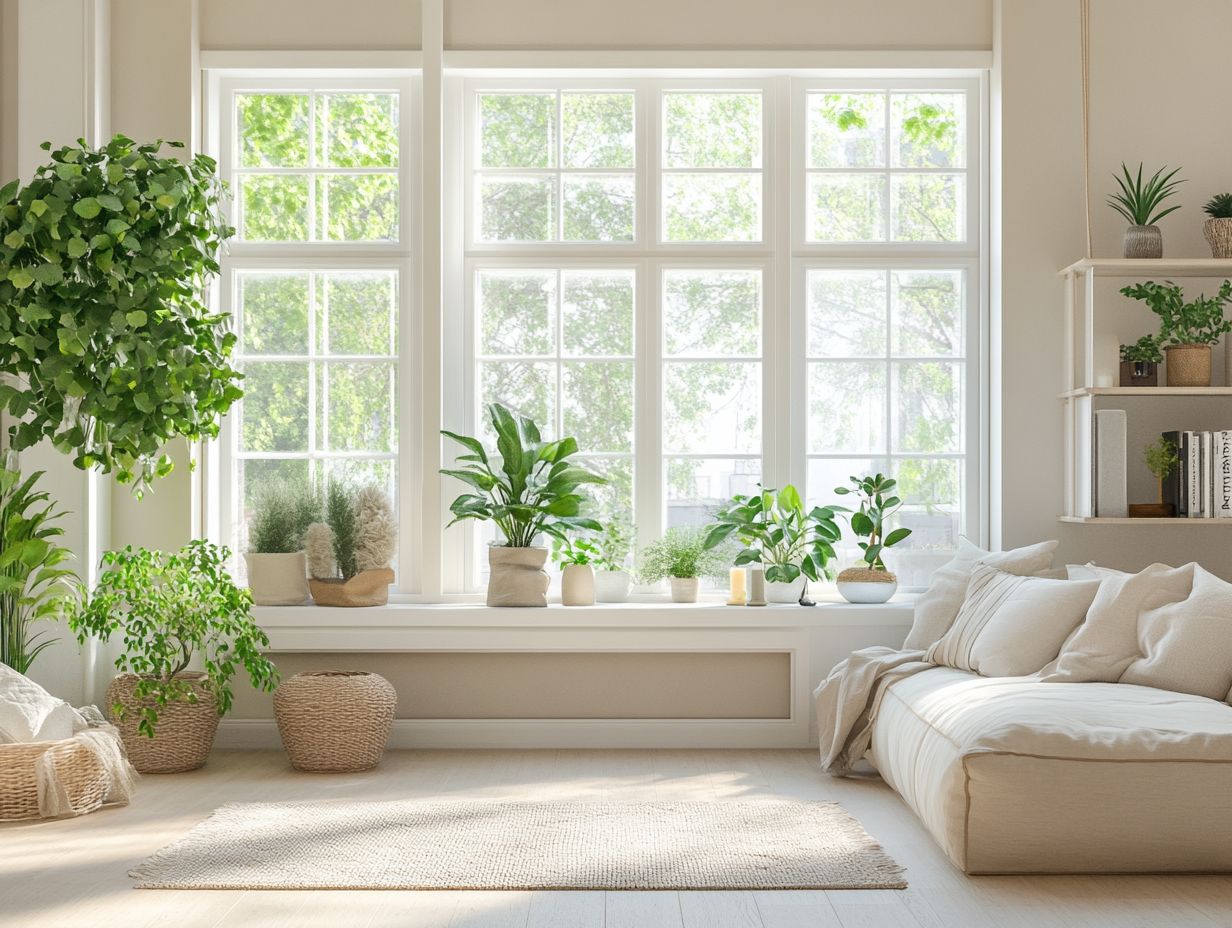
Radon gas is a colorless, odorless gas that can infiltrate homes from the ground, posing a significant health risk that may lead to lung cancer over time. It is essential to conduct radon testing and implement appropriate mitigation measures to ensure indoor air quality and the safety of occupants. Incorporating natural ventilation can also assist in reducing radon levels, contributing to a healthier home environment.
Understanding the risks associated with radon exposure is vital for establishing a safe home environment. This hazardous gas results from the natural decay of uranium present in soil, rock, and water, entering living spaces often without detection.
Regular testing is necessary to identify elevated levels of radon, which can substantially reduce health risks. Homeowners should also consider effective mitigation strategies, such as:
- Installing ventilation systems
- Sealing cracks in floors and walls
to decrease radon concentrations.
By adopting these preventative measures, individuals not only protect their immediate health but also contribute to an overall healthier living environment, thus promoting the well-being of families and loved ones.
5. Carbon Monoxide
Carbon monoxide is a hazardous gas that can accumulate in residential environments, presenting a significant health risk that may result in poisoning or even fatality. Ensuring adequate ventilation and the installation of carbon monoxide detectors are critical safety measures necessary for the protection of residents. Moreover, incorporating soundproofing and energy efficiency into home design can enhance the overall safety and comfort of living spaces.
It is essential to understand the primary sources of this toxic gas, which include malfunctioning furnaces, gas stoves, and exhaust from vehicles in attached garages, to effectively prevent exposure. Homeowners are advised to arrange for regular maintenance of their heating systems and to ensure that all vents remain unobstructed to facilitate proper airflow.
The installation of carbon monoxide detectors, particularly in proximity to sleeping areas, can provide early warnings and significantly mitigate risks. Additionally, educating family members about the symptoms of carbon monoxide poisoning—such as headaches and dizziness—can enhance safety awareness and contribute to a healthier living environment.
How Can Wellness-Focused Home Remodeling Address These Hazards?
Wellness-focused home remodeling serves as an effective method for addressing various health hazards through the implementation of strategic mitigation strategies that enhance indoor air quality and overall safety. This approach often includes sustainable living practices and eco-conscious choices, ensuring that the home environment supports a healthy and balanced lifestyle.
By utilizing health-conscious products, homeowners can reduce exposure to harmful substances while fostering a more sustainable living environment.
Essential approaches include improving ventilation, selecting non-toxic materials, and ensuring regular maintenance to minimize the risks associated with common hazards such as mold, volatile organic compounds (VOCs), and carbon monoxide.
1. Proper Ventilation and Moisture Control
Proper ventilation and moisture control are essential components of wellness-focused home remodeling, significantly influencing indoor air quality and the health benefits for residents. These elements are critical for creating rejuvenation and relaxation zones that promote mental well-being and stress reduction.
The implementation of advanced air filtration systems can substantially reduce airborne pollutants, while moisture management technologies, such as dehumidifiers and ventilation fans, effectively minimize the risk of mold and mildew formation.
For instance, the installation of Energy Recovery Ventilators (ERVs) not only assists in maintaining optimal humidity levels but also ensures the continuous circulation of fresh air throughout the space.
By incorporating these solutions into home design, homeowners not only foster a healthier environment but also contribute to the long-term wellness and comfort of all occupants. Thus, the importance of ventilation and moisture control transcends aesthetic considerations, establishing a foundation for quality living environments that prioritize health and well-being.
2. Use of Low or No VOC Materials
The utilization of low or no VOC materials is essential in wellness-focused home remodeling, as it aids in mitigating the health risks associated with volatile organic compounds. By selecting products that emit minimal or no VOCs, homeowners can significantly enhance indoor air quality, thereby creating healthier living environments that support overall well-being. This practice aligns with the principles of sustainable materials and green building, contributing to a more eco-friendly home.
This commitment to employing health-conscious materials not only improves comfort but also aligns with sustainable practices.
A diverse range of options is available, including natural paints, non-toxic paints, adhesives, and finishes derived from plant-based ingredients that are free from harmful chemicals. Flooring materials such as bamboo or cork emit little to no VOCs, providing both aesthetic appeal and environmental sustainability, contributing to a healthy lifestyle.
Such choices are instrumental in reducing allergens and irritants, thereby fostering a nurturing environment for families. Opting for these materials not only reflects a dedication to personal wellness but also contributes to the broader movement toward sustainable living and holistic living, demonstrating a commitment to a healthier planet while enhancing the overall quality of life within one’s home, creating healthy spaces.
3. Removal of Hazardous Materials
The removal of hazardous materials is a critical component of wellness-focused home remodeling, ensuring the safety and health of all occupants. This process typically involves a meticulous assessment and remediation of hazardous substances such as lead, asbestos, and mold, ultimately mitigating the risk of exposure and fostering a healthier living environment with improved indoor air quality.
Prioritizing safety during renovations significantly enhances the comfort and well-being of residents, making it an essential consideration in any home remodeling project.
To initiate this complex process, homeowners should first engage professionals who specialize in hazardous material removal to identify potential risks within their properties. These experts possess the requisite training and tools to accurately assess the situation and formulate effective remediation plans, ensuring a safe and healthy home environment.
Implementing safety measures, such as donning protective gear, ensuring adequate ventilation, natural ventilation, and securely containing contaminants during the removal process, protects not only the workers but also the long-term health of the inhabitants.
By diligently undertaking these important steps with professional guidance, individuals can substantially reduce health risks, cultivate a safe environment, and ultimately improve the overall quality of the living space, fostering a nurturing environment.
4. Implementation of Energy-Efficient Systems

Implementing energy-efficient systems is a fundamental aspect of wellness-focused home remodeling, significantly contributing to both sustainability and the health benefits of occupants. By employing technologies such as smart home automation, energy-efficient heating and cooling systems, and renewable energy sources, homeowners can establish a comfortable living environment that minimizes environmental impact while enhancing energy efficiency.
This commitment to energy efficiency not only promotes a healthier home but also encourages long-term cost savings and enhances overall well-being by creating a more sustainable living space.
Plus these systems, the integration of proper insulation and energy-efficient windows can substantially reduce energy loss, enabling homes to be more resilient against temperature fluctuations, contributing to thermal comfort.
Utilizing eco-friendly materials, such as low-VOC paints and sustainably sourced wood, can improve indoor air quality, which is essential for respiratory health. The cumulative impact of these choices not only supports environmental stewardship by reducing carbon footprints but also enhances the overall quality of life for residents by promoting health and well-being.
By prioritizing energy efficiency, homeowners play a vital role in fostering a sustainable future, where personal wellness and planetary health can coexist harmoniously, embodying the principles of green building and wellness design.
Frequently Asked Questions
What is wellness-focused home remodeling?
Wellness-focused home remodeling is a design approach that prioritizes creating healthier and more functional living spaces. This can include adding features that promote physical and mental well-being, like improved air quality, natural lighting, and ergonomic furniture.
Why should I consider wellness-focused home remodeling?
By incorporating wellness-focused design elements into your home, you can improve your overall quality of life. These improvements can lead to increased energy, productivity, and overall happiness by integrating elements such as mindfulness and stress reduction practices.
What are some examples of wellness-focused design features?
Some common examples of wellness-focused design features include air purification systems, non-toxic building materials, natural lighting, ergonomic furniture, and the incorporation of biophilic design elements.
How can wellness-focused home remodeling benefit my health?
Wellness-focused home remodeling can benefit your health by reducing exposure to harmful chemicals and pollutants, promoting relaxation and stress reduction, and improving overall air and water quality in your home using water filtration systems.
Can wellness-focused home remodeling also have an impact on the environment?
Yes, by using eco-friendly materials, organic materials, and energy-efficient systems, wellness-focused home remodeling can have a positive impact on the environment. This can help reduce your carbon footprint and contribute to a more sustainable future.
Do I need to completely renovate my home to incorporate wellness-focused design?
No, you can start small by making simple changes like adding indoor plants, improving indoor air quality, and optimizing natural lighting. However, a full home renovation can provide more comprehensive and long-term benefits for your well-being.