
Exploring The Best Flooring Options For Your Home
“How to Choose the Right Building Design Service for Your Columbia Project”
Minimalist Interior Design Creating A Clean And Simple Space
Are you looking to create a clean and simple living space that promotes a sense of calm and tranquility?
Minimalist interior design may be the perfect solution for you.
We will explore the key elements, planning, selecting furniture and decor, maximizing light and space, and maintaining a minimalist home.
Discover core principles of minimalist design and a step-by-step guide to achieving a minimalist makeover.
Explore the benefits of a minimalist space and learn how to transform your home into a serene sanctuary.
Key Takeaways:
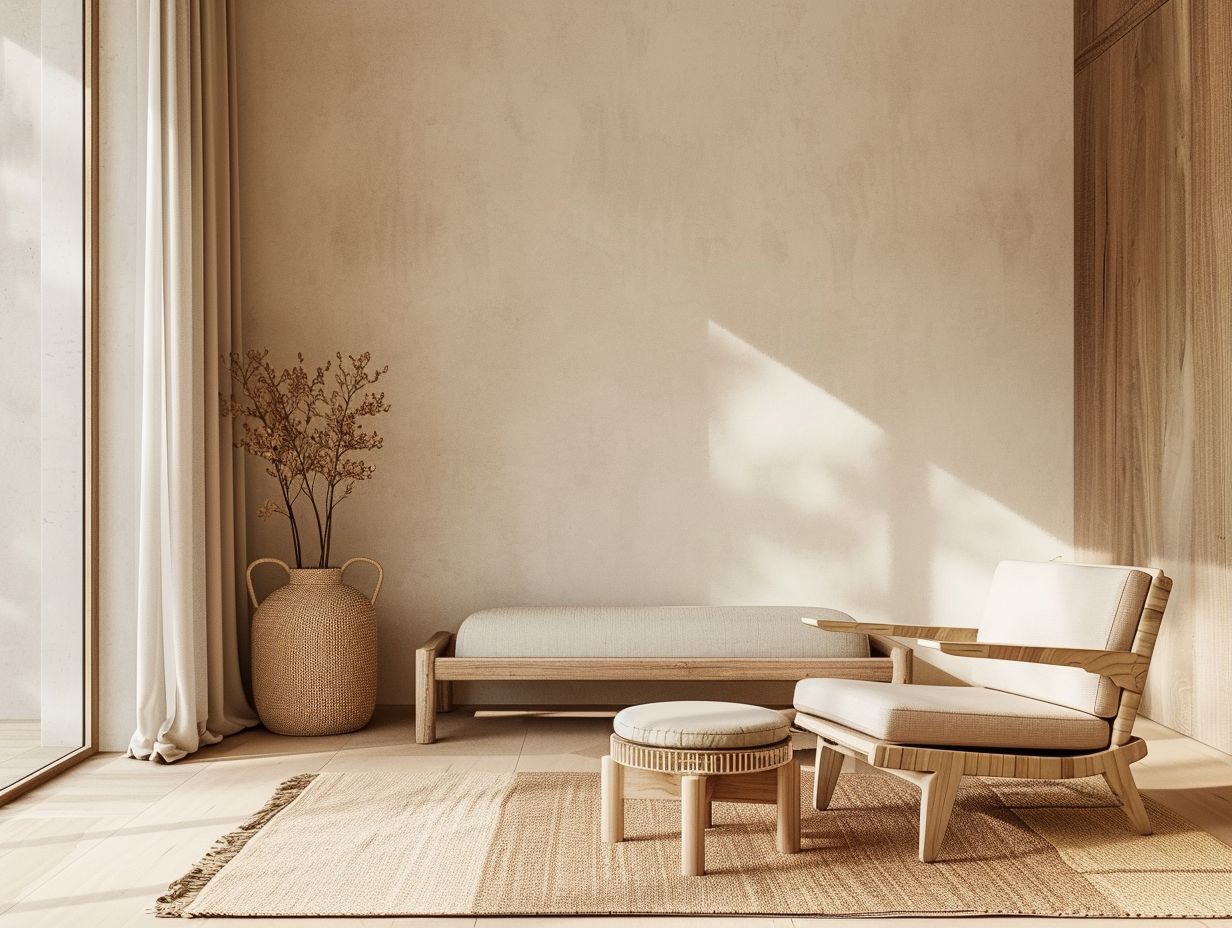
- Minimalism is about simplicity and functionality, not just decluttering. Focus on essential elements and natural elements to create a clean, simple space.
- Utilize natural light sources and open floor plans to maximize light and space in your minimalist home. Regular decluttering and mindful purchasing decisions are key to maintaining a minimalist space.
- The benefits of a minimalist space include reduced stress, increased productivity, and a more visually appealing and functional home. Follow the core principles and step-by-step guide to achieve a successful minimalist makeover.
Understanding Minimalist Interior Design
Minimalist interior design embodies a philosophy of simplicity and functionality, focusing on clean lines, neutral colors, and the strategic use of space to create serene and open layouts.
This design approach is rooted in the principle of decluttering, where unnecessary items are removed to promote a sense of calm and organization within a space. Quality over quantity is a key tenet, with a focus on choosing well-made, timeless pieces that serve both a practical and aesthetic purpose.
Integrating natural elements like wood, stone, or plants adds warmth and texture, contributing to a harmonious atmosphere. Natural light is another essential element, as it not only enhances the overall ambiance but also fosters a connection to the outdoors, creating a peaceful and inviting environment.
What is Minimalism?
Minimalism, in the context of interior design, is a lifestyle choice that values simplicity, clean aesthetics, and functionality over excess, focusing on quality rather than quantity.
By stripping away unnecessary embellishments and embracing a ‘less is more‘ approach, minimalism creates spaces that are soothing to the eyes and mind. Originating from the mid-20th century as an art movement, minimalism has transcended into various aspects of life, including architecture, fashion, and digital design. Embraced for its ability to declutter both physical spaces and mental states, this design philosophy encourages deliberate choices and meaningful objects. Its influence can be seen in the rise of open floor plans, neutral color palettes, and simple yet elegant furniture.
Key Elements of Minimalist Interior Design
The key elements of minimalist interior design include carefully selected furniture, abundant natural light, open floor plans, and monochromatic color schemes that contribute to a sense of spaciousness and tranquility.
Furniture with clean lines is essential in achieving a minimalist aesthetic as it helps create a sense of simplicity and elegance in the space. By opting for pieces that have sleek and uncluttered designs, you can ensure that each element serves a purpose without adding unnecessary visual noise to the room.
Maximizing natural light sources further enhances the minimalist vibe by creating an airy and inviting atmosphere. Open layouts play a crucial role in promoting flow and connectivity within the space, allowing for a seamless transition between different areas.
Sticking to a harmonious color palette, such as muted tones or shades of white, ensures a cohesive and serene look that fosters a sense of calm and balance in the home.
Planning Your Minimalist Home
When planning a minimalist home, it’s crucial to prioritize space optimization, decluttering strategies, clean lines, efficient storage solutions, and selecting essential pieces that follow the principle of quality over quantity.
To effectively optimize space in a minimalist setting, consider implementing multifunctional furniture that serves more than one purpose, such as a storage ottoman or a bed with built-in drawers.
Regarding decluttering, embrace the KonMari method by sorting items based on categories and only keeping those that spark joy.
Implementing hidden storage solutions like under-bed drawers or wall-mounted shelves can help maintain a clean, uncluttered look.
Curating furniture and decor items with neutral colors and simple designs can further enhance the minimalist aesthetic of your living space.
Setting a Color Palette
Choosing a color palette for a minimalist space often involves using neutral colors and monochromatic schemes to maintain a sense of harmony and simplicity throughout the design.
Neutral hues play a key role in creating a calming atmosphere within a room by evoking a sense of tranquility and balance. These soft tones like whites, beiges, and grays provide a soothing backdrop that allows other design elements to stand out.
Monochromatic color schemes, which consist of varying shades of a single color, not only add depth and sophistication but also contribute to the visual appeal of a space. The cohesive nature of monochromatic palettes promotes a seamless look that inherently complements minimalist design principles, where less is more.
Decluttering and Simplifying Spaces
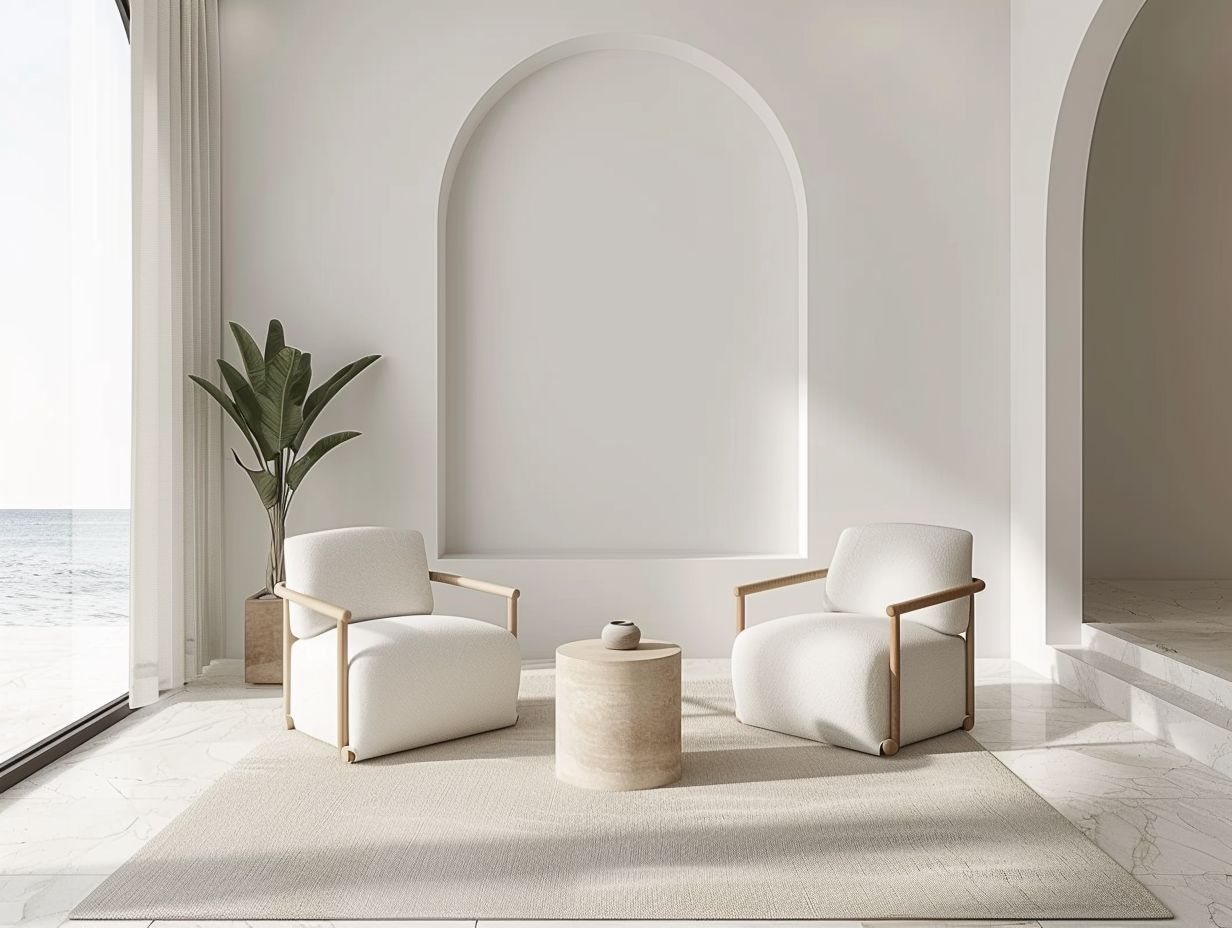
Decluttering and simplifying spaces are fundamental aspects of minimalist design, requiring a systematic approach, effective storage solutions, and a commitment to maintaining a clutter-free environment.
One practical decluttering method includes the ‘one in, one out‘ rule, where for every new item brought into a space, one item must be removed. Creating a decluttering schedule can help to stay on top of organization by allotting specific time each day or week to tackle different areas of the living space.
The impact of simplified spaces on overall well-being is immense, as a clutter-free environment can reduce stress, promote productivity, and create a sense of calm and serenity in one’s surroundings.
Selecting Minimalist Furniture and Decor
Choosing minimalist furniture and decor involves selecting high-quality pieces that showcase natural elements, embody the minimalist aesthetic, and contribute to a harmonious and serene living environment.
Opting for clean designs in furniture pieces can create a sense of spaciousness and simplicity in a room. Consider furniture with sleek lines, minimal ornamentation, and neutral colors to maintain a calm and uncluttered look. Incorporating natural textures such as wood, stone, or jute can add warmth and character to the space, enhancing the overall ambiance.
When curating decor items, opt for a few statement pieces that complement the minimalist style without overwhelming the space, such as soft textiles, potted plants, or decorative objects in muted hues.
Choosing Essential Pieces
Opting for essential pieces in a minimalist space prioritizes functionality and quality over quantity, ensuring that each item serves a purpose and contributes to the overall design coherence.
By selecting furniture and decor items that are essential, versatile, and durable, individuals create a space that exudes simplicity and sophistication. These carefully chosen pieces not only anchor the room but also offer flexibility in styling and arrangement.
The minimalist aesthetic thrives on clean lines, uncluttered spaces, and a neutral color palette, all of which are accentuated by the presence of key pieces that are both practical and visually appealing. Investing in timeless and sturdy furnishings ensures longevity and sustainability, aligning perfectly with the minimalist philosophy of intentional living.
Incorporating Natural Elements
Integrating natural elements such as wood, stone, or greenery into minimalist interiors can bring warmth, texture, and a sense of tranquility to the space, enhancing the overall quality of the design.
These elements not only add a touch of nature but also create a seamless connection between the interior and exterior environments. The warmth of wood can soften the clean lines of minimalist furniture, while the earthy tones of stone can provide a grounding effect. Greenery, such as potted plants or succulents, introduces a refreshing pop of color and purifies the air, contributing to a healthier living environment. By striking a balance between simplicity and organic elements, the space evokes a sense of tranquility and balance that promotes a zen-like ambiance.
Maximizing Light and Space
Maximizing light and space in a minimalist setting involves leveraging natural light sources, utilizing open floor plans, incorporating reflective surfaces, and creating a bright, airy atmosphere that accentuates the simplicity of the design.
Natural light is a key element that can transform the ambiance of a space by creating a sense of openness and tranquility. By strategically positioning windows and skylights, the space can feel more expansive and inviting. Reflective surfaces such as mirrors and glass tabletops not only bounce light around the room but also create visual interest and depth. The careful consideration of these design elements can help in achieving a harmonious balance between form and function in a minimalist interior.
Utilizing Natural Light Sources
Natural light plays a vital role in minimalist design, illuminating clean lines, creating a serene ambiance, and emphasizing the simplicity and openness of the space.
The use of natural light not only enhances the visual appeal of minimalist interiors but also results in a more inviting and calming atmosphere. By allowing sunlight to flood into the room, the space feels more alive and connected to the outdoors. This not only promotes a sense of tranquility but also brings a sense of harmony to the design. Relying on natural light reduces the dependence on artificial lighting, which can help lower energy costs and contribute to a more sustainable living environment.
Implementing Open Floor Plans
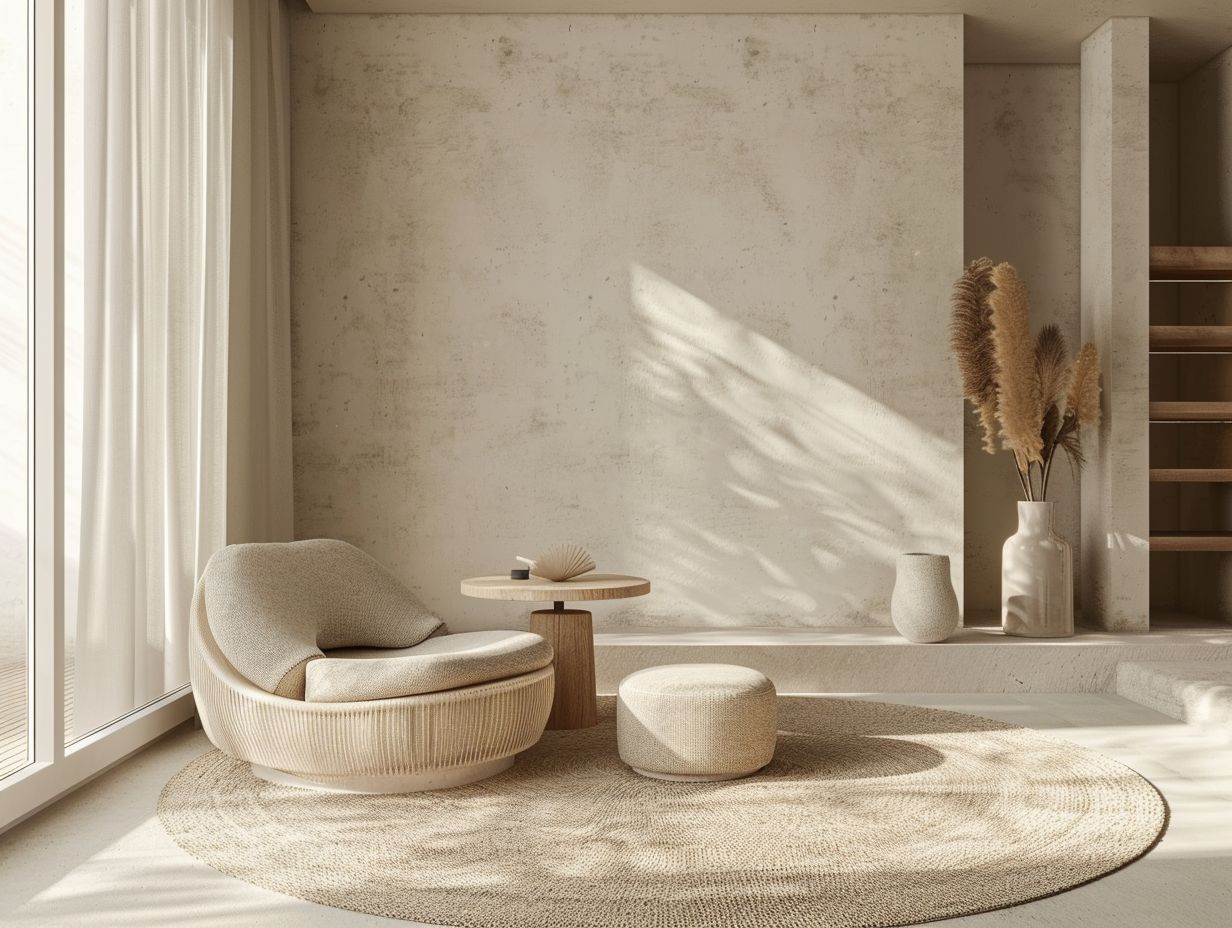
Open floor plans are a hallmark of minimalist design, fostering a sense of connectivity, maximizing natural light penetration, and creating an illusion of spaciousness within the living areas.
This design choice not only promotes a seamless flow between different spaces but also allows for the uninterrupted spread of natural light throughout the interior. The absence of walls or partitions in open floor plans contributes to a visually uncluttered environment, providing a clean and unobstructed aesthetic that aligns perfectly with the principles of minimalism. By eliminating barriers, these layouts offer flexibility in furniture arrangement and spatial usage, enhancing both the functionality and beauty of the living space.
Maintaining a Minimalist Home
To maintain a minimalist home, regular decluttering, thoughtful organization, and mindful purchasing decisions are essential practices to uphold the simplicity and functionality at the core of minimalist living.
Establishing a decluttering routine can involve setting aside a specific time each week to assess and remove items that no longer serve a purpose. By creating designated spaces for belongings and regularly organizing them, it becomes easier to maintain a clutter-free environment. Adopting a mindful approach to purchasing involves asking yourself if the item is truly needed or if it aligns with your minimalist values before making a purchase. These habits can help cultivate a sense of peace and harmony in your living space.
Regular Decluttering and Organization
Regular decluttering and organization are critical in minimalist design to ensure spaces remain free of excess belongings, maintaining a clean and harmonious environment that promotes a sense of calm and order.
Creating a decluttering schedule can help in breaking down the overwhelming task of tidying up into manageable chunks. Consider setting aside dedicated time each week to tackle different areas of your living space, such as closet organization on Mondays, kitchen decluttering on Wednesdays, and general tidying up on weekends. This approach can prevent clutter from piling up and make it easier to maintain a streamlined environment.
When organizing possessions, categorize items by type and designate specific storage areas for each category to create a more efficient system that minimizes visual clutter.
Mindful Purchasing Decisions
Making mindful purchasing decisions is key to sustaining a minimalist lifestyle, prioritizing quality over quantity, and selecting decor items that enhance the minimalist aesthetic without contributing to clutter.
By being intentional with your buying choices, you not only create a space that feels uncluttered and harmonious but also ensure that each item serves a specific purpose. This approach helps in curating a home that is both aesthetically pleasing and practical, where every piece aligns with your vision of simplicity and functionality.
Instead of succumbing to impulse purchases, taking the time to evaluate each item’s value and compatibility with your existing decor can lead to a more curated and cohesive living environment that truly reflects your minimalist mindset.
The Core Principles of Minimalist Design
The core principles of minimalist design revolve around the integration of natural elements, simplicity in aesthetics, prioritizing quality over quantity, and the selective use of accessories to enhance the overall minimalist ambiance.
Natural elements play a pivotal role in minimalist design, as they bring a sense of calmness and serenity to a space. Incorporating elements such as wood, stone, or plants can establish a connection with nature, fostering a peaceful environment.
Simplicity is key in minimalist design, where every item serves a purpose and clutter is minimized. Quality craftsmanship is highly valued, ensuring that each piece in the space is well-made and durable.
Carefully selected accessories, like statement lighting fixtures or unique art pieces, can add character and charm to a minimalist setting, making it feel inviting and personalized.
The Minimalist Makeover: A Step-by-Step Guide
Embarking on a minimalist makeover involves a step-by-step process of decluttering, reorganizing spaces, incorporating minimalist decor elements, optimizing open layouts, and cultivating a serene and balanced atmosphere within the home.
- To begin the transformation, start by evaluating each room and identifying items that serve a purpose versus those that simply add clutter.
- Gradually work through each space, focusing on one area at a time to prevent feeling overwhelmed.
- Consider storage solutions that blend seamlessly into the design, such as hidden cabinets or multipurpose furniture pieces.
- Integrate natural elements like plants or wood accents to add warmth and a touch of nature.
Remember, minimalism is not about emptiness but about intentional choices that bring peace and clarity to your living environment.
The Benefits of a Minimalist Space
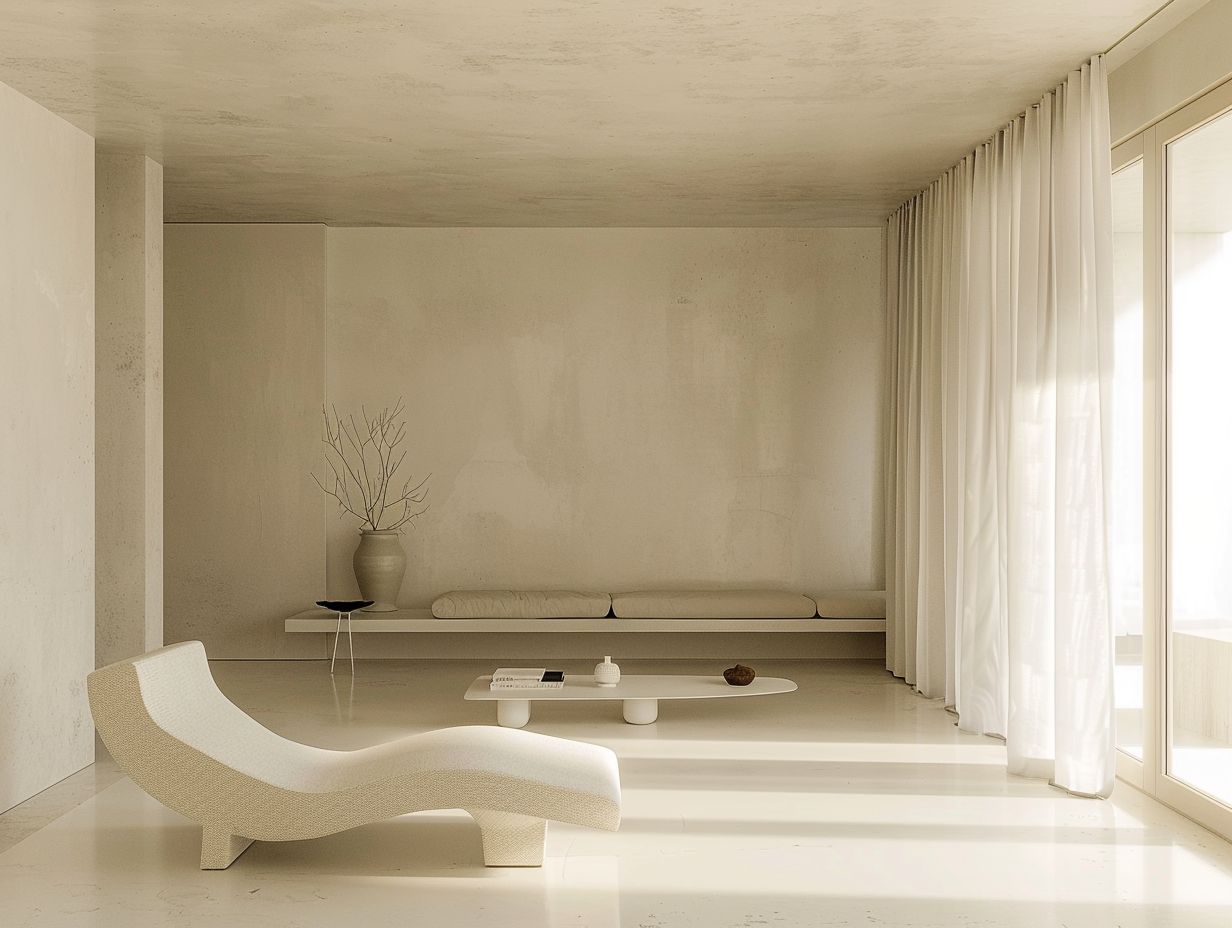
Embracing a minimalist space offers numerous benefits, including a sense of calm, peace, enhanced functionality, ample natural light, and a serene environment conducive to relaxation and mindfulness.
Living in a clutter-free environment can greatly contribute to mental well-being by reducing feelings of overwhelm and promoting clarity of thought. Minimalist living also fosters improved focus as the lack of distractions allows for better concentration and productivity. The simplicity of minimalist spaces encourages a sense of tranquility that can have a positive impact on one’s overall mood and stress levels, creating a harmonious atmosphere that promotes a deeper sense of contentment and peace.
Frequently Asked Questions
What is minimalist interior design?
Minimalist interior design is a design approach that focuses on creating a clean and simple space by using only essential elements and removing any unnecessary clutter or decoration.
How can I create a minimalist interior design in my home?
To achieve a minimalist interior design, start by decluttering your space and getting rid of anything that is not essential or functional. Use a neutral color palette and opt for simple, functional furniture and decor.
What are the benefits of a minimalist interior design?
A minimalist interior design can bring a sense of calm and tranquility to a space, reduce stress and anxiety, and make a room feel more spacious and open. It can also promote a more organized and efficient lifestyle.
Are there any downsides to a minimalist interior design?
One potential downside to a minimalist interior design is that it may not suit everyone’s personal style or aesthetic preferences. Some people may find it too sparse or lacking in personality. It also requires regular maintenance and upkeep to avoid clutter from building up.
Can I still incorporate my personal style in a minimalist interior design?
Yes, you can still incorporate your personal style in a minimalist interior design by using statement pieces or adding pops of color. However, it’s important to keep these elements to a minimum and ensure they still align with the overall clean and simple aesthetic.
Where can I find inspiration for minimalist interior design?
You can find inspiration for minimalist interior design from various sources, such as interior design magazines, Pinterest, and home renovation websites. You can also visit minimalist home design stores or consult with a professional interior designer for ideas.